Liquid Bulk Tanker Transport Solutions.
Specialized transportation for chemical and bulk liquid shipments—delivered through a vetted network of tanker carriers with precision, speed, and full operational oversight.
What is Liquid Bulk Tanker Transport?
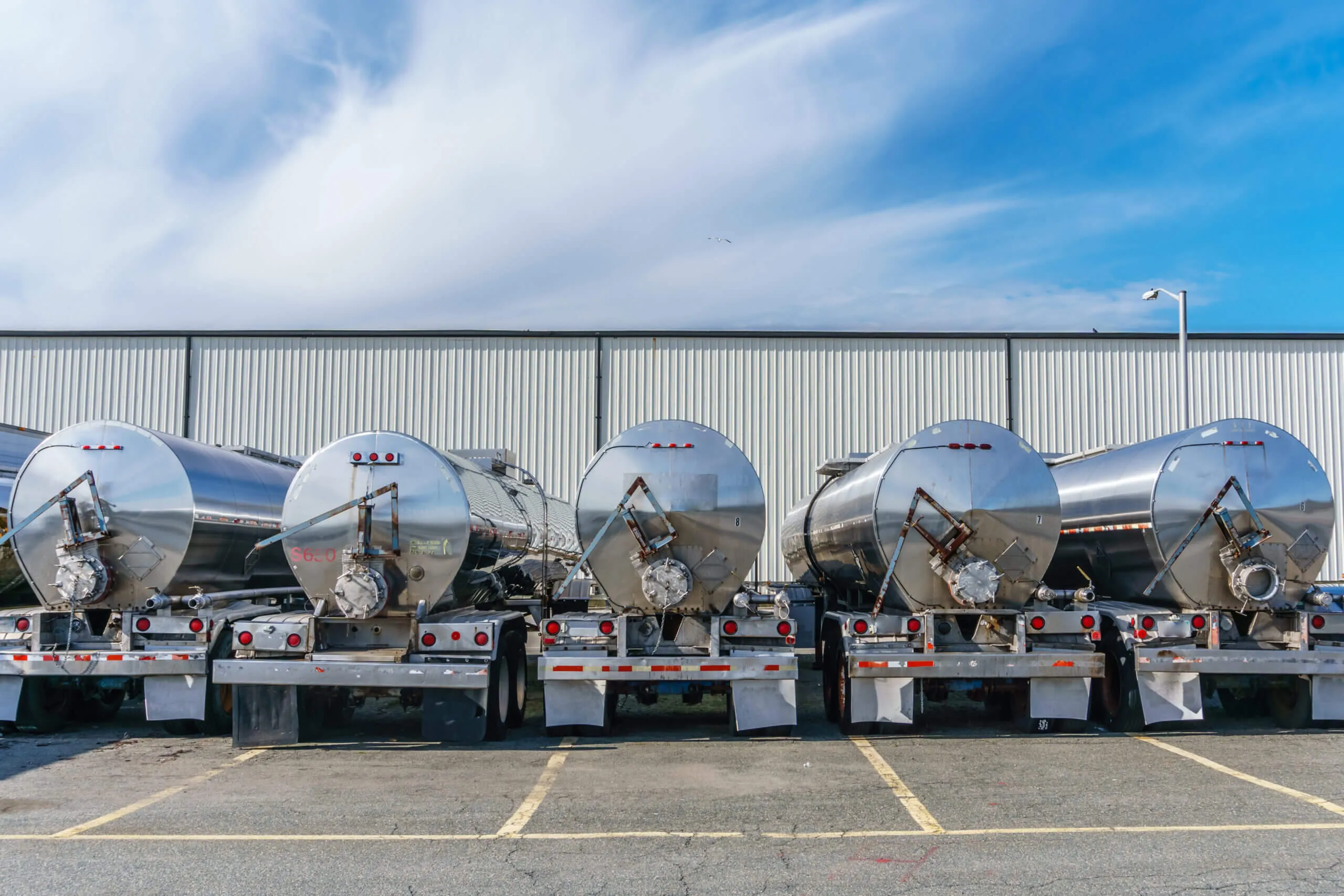
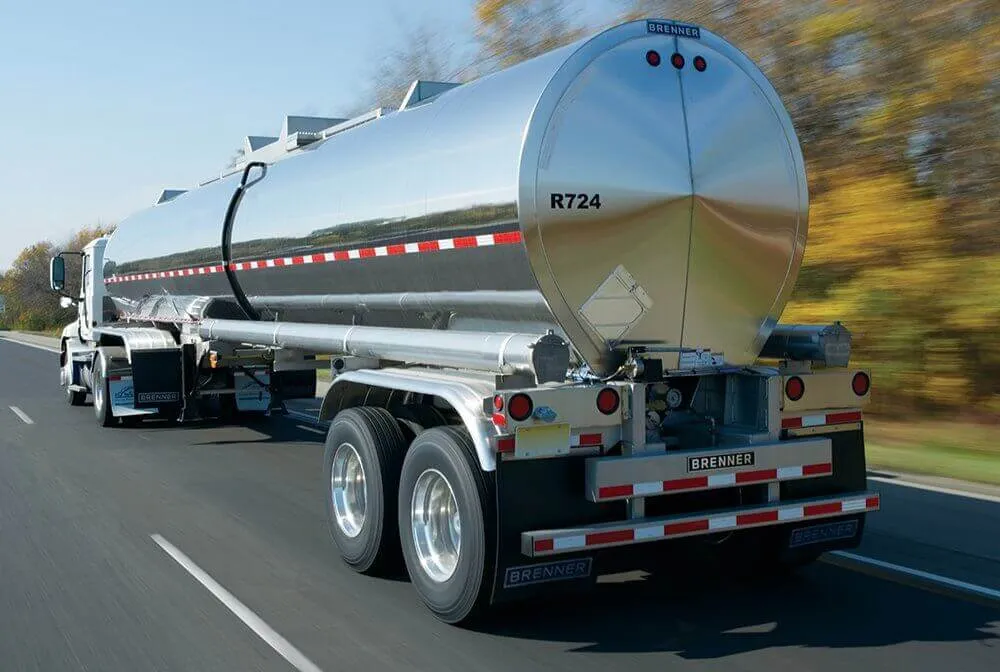
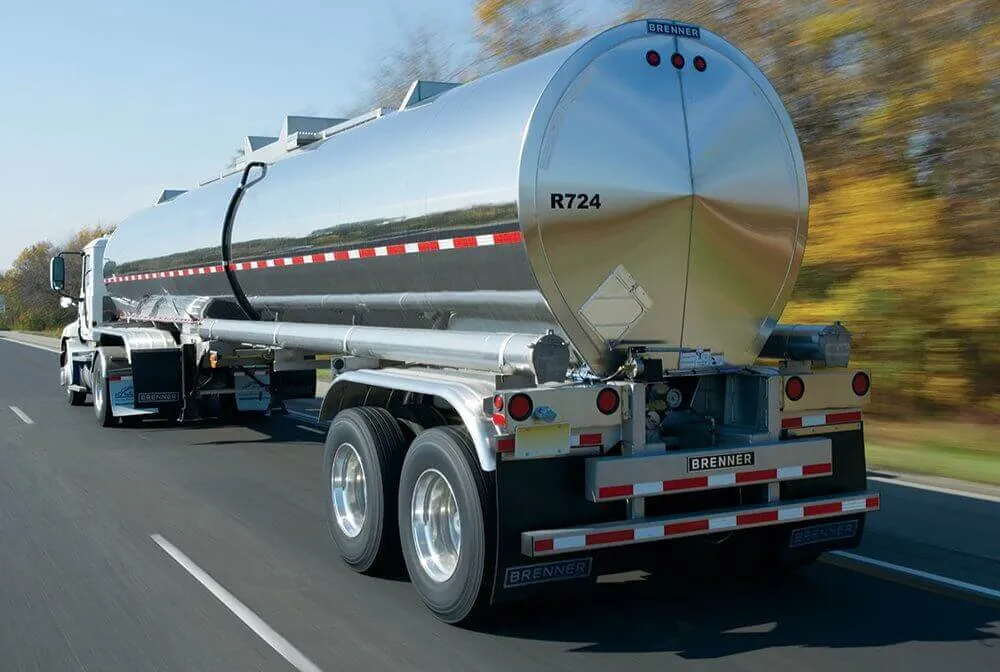
Liquid bulk tanker transport is the movement of large volumes of liquid products—such as chemicals, solvents, and industrial materials—using specialized tanker trailers. Unlike standard freight, these shipments require precise handling, experienced carriers, and strict coordination to ensure safe and efficient delivery.
At Total Connection, we coordinate liquid bulk shipments through a network of qualified tanker carriers, ensuring each load is matched with the right equipment, routing, and operational support.
Why Liquid Bulk Logistics Requires Specialized Expertise?
Transporting liquid bulk is fundamentally different from standard freight. Limited tanker availability, product-specific requirements, and higher risk exposure make execution more complex and time-sensitive.
Why Liquid Bulk Logistics Requires Specialized Expertise?
Transporting liquid bulk is fundamentally different from standard freight. Limited tanker availability, product-specific requirements, and higher risk exposure make execution more complex and time-sensitive.
Limited tanker capacity compared to dry freight
Product-specific handling requirements
Higher risk and compliance considerations
Scheduling and coordination complexity
Equipment and tank compatibility
Limited tanker capacity compared to dry freight
Product-specific handling requirements
Higher risk and compliance considerations

Scheduling and coordination complexity
Equipment and tank compatibility
Why Shippers Choose Total Connection?
We combine deep experience in liquid bulk logistics with a responsive, hands-on approach that ensures every shipment is executed with precision.
Expertise
Over 20 years of liquid bulk experience
Vetted Carriers
Strong, vetted tanker carrier network
Chemical Products
Deep knowledge of chemical products
Min Response Time
Rapid response times (often within minutes)
Client Service
High-touch service and coordination
North America Coverage
North America coverage with global capabilities
Products We Support.
Industrial chemicals
Oleochemicals
Paints and Coatings
Downhole & Drilling Chemicals
Petroleum Product Additives
Solvents
Liquid raw materials
Specialty chemical products
Hazardous and regulated materials
Our Liquid Bulk Transport Process.
- Shipment assessment and product review
- Carrier and equipment matching
- Route and scheduling coordination
- Pickup and delivery execution
- Real-time communication and updates
Industries We Serve.
- Chemical manufacturers
- Chemical wholesalers
- Agriculture
- Mining
- Paint and Coatings
- Drilling and Exploration
- Petroleum
- Bulk liquid distributors
Frequently asked questions.
What is liquid bulk transport?
Liquid bulk transport involves moving large volumes of liquid products using tanker trailers instead of packaged containers. Often referred to as Bulk vs Packaged.
Do you handle hazardous materials?
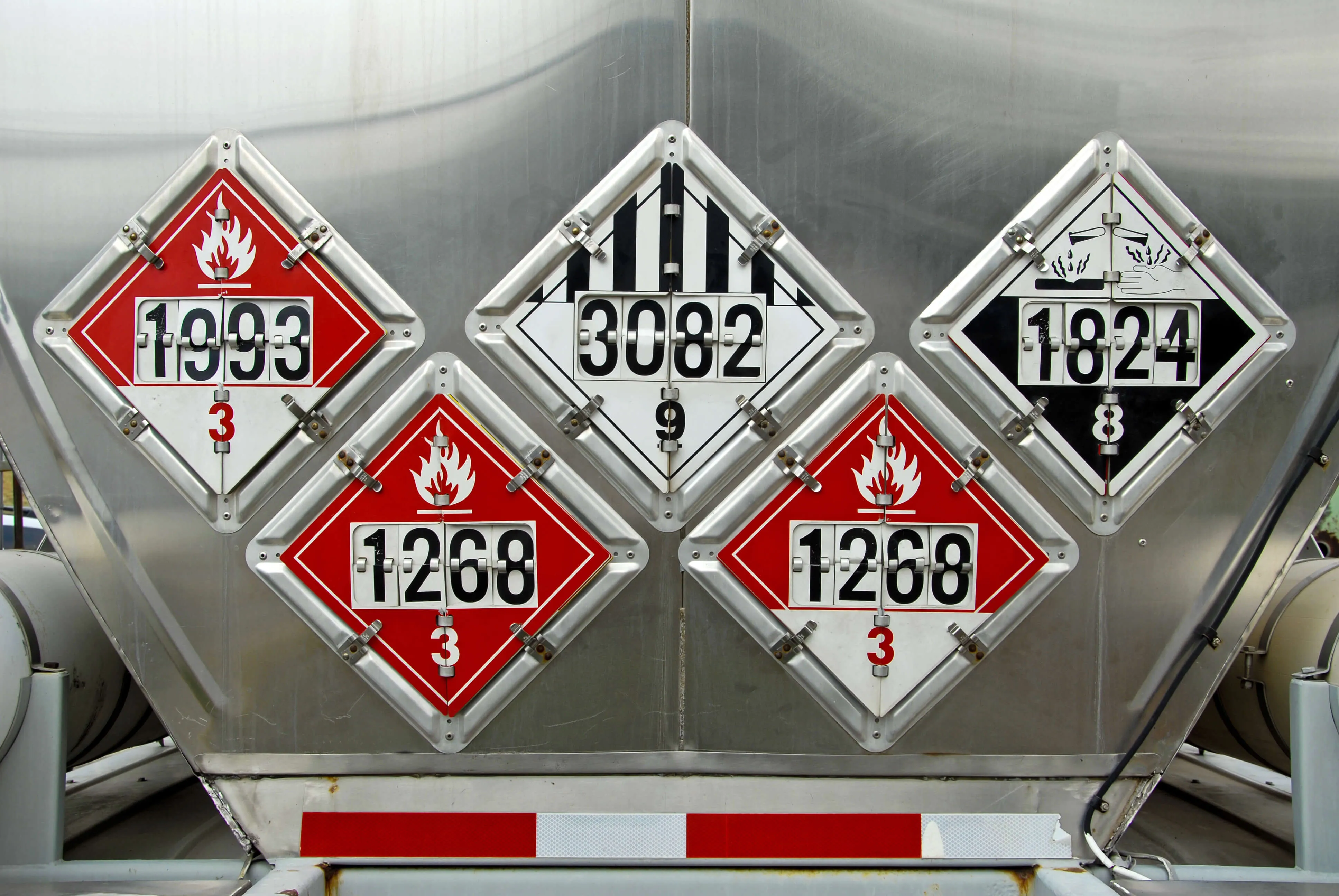
Yes, we coordinate hazmat-certified carriers for regulated shipments. Including explosives, flammables and corrosive compounds.
How quickly can you secure capacity?
In most cases, we respond within minutes and begin sourcing immediately.
Do you operate outside the U.S.?
Yes, we support both domestic and international logistics.
What types of tanker trailers are used for liquid bulk shipping?
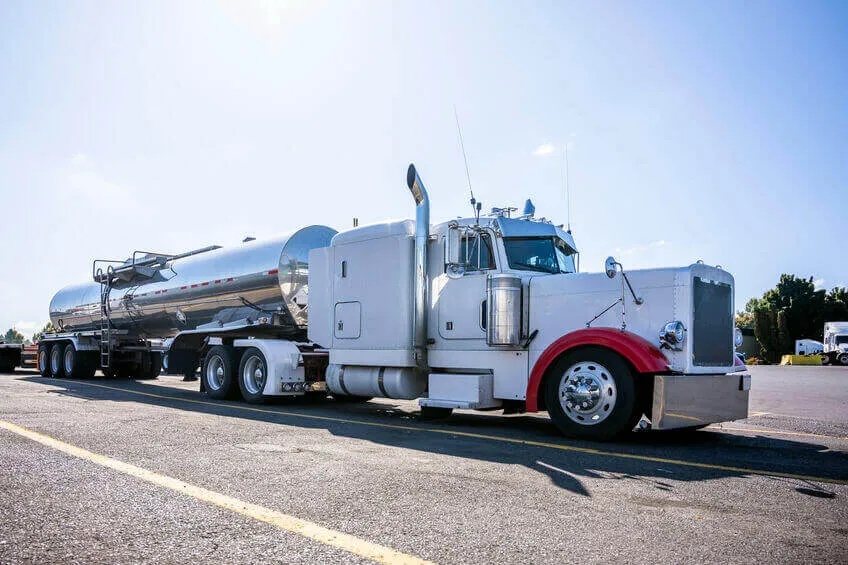
Different products require different tanker types, including stainless steel, aluminum, insulated, and lined tanks. The correct equipment depends on the chemical composition, temperature requirements, and unloading method.
How is product compatibility with tanker equipment determined?
Compatibility is based on the chemical properties of the product, prior loads, tank material, and required cleaning standards. Proper matching is critical to prevent contamination or safety risks.
Do tanker shipments require tank cleaning or washout certification?
Yes. Most liquid bulk shipments require documented tank washouts before loading, especially when transporting chemicals or food-grade products. This ensures product integrity and compliance.
What is the difference between food-grade and chemical tanker transport?
Food-grade tankers must meet stricter cleanliness and contamination standards, while chemical tankers are designed for industrial products and may require specialized linings or coatings.
How are loading and unloading handled for liquid bulk shipments?
Loading and unloading methods vary depending on the facility and product, including pump systems, gravity discharge, or pressurized unloading. Coordination with facility capabilities is essential.
What factors affect pricing for liquid bulk tanker transport?
Pricing is influenced by distance, product type, tanker availability, cleaning requirements, hazmat classification, and market capacity for specialized equipment.
How do you secure tanker capacity during high-demand periods?
Capacity is secured through established carrier relationships, proactive scheduling, and access to a broad network of qualified tanker providers.
Are there specific regulations for transporting hazardous liquid materials?
Yes. Hazmat shipments must comply with DOT regulations, proper labeling, documentation, and carrier certification requirements to ensure safe and legal transport.
What is required before scheduling a liquid bulk shipment?
Key details include product type, volume, pickup and delivery locations, required equipment, hazmat classification (if applicable), and facility loading/unloading capabilities.
Can liquid bulk shipments be coordinated with storage solutions?
Yes. Liquid bulk logistics can include storage coordination to align supply, demand, and delivery schedules, especially for chemical and industrial products.