
Container Drayage for Chemical and Industrial Imports
Total Connection arranges container drayage between US ports, rail ramps, warehouses and plants for chemical and industrial shippers, including hazmat containers, ISO tanks, overweight permits and triaxle chassis, transloading and demurrage management, with the same team that handles the ocean leg and warehousing.
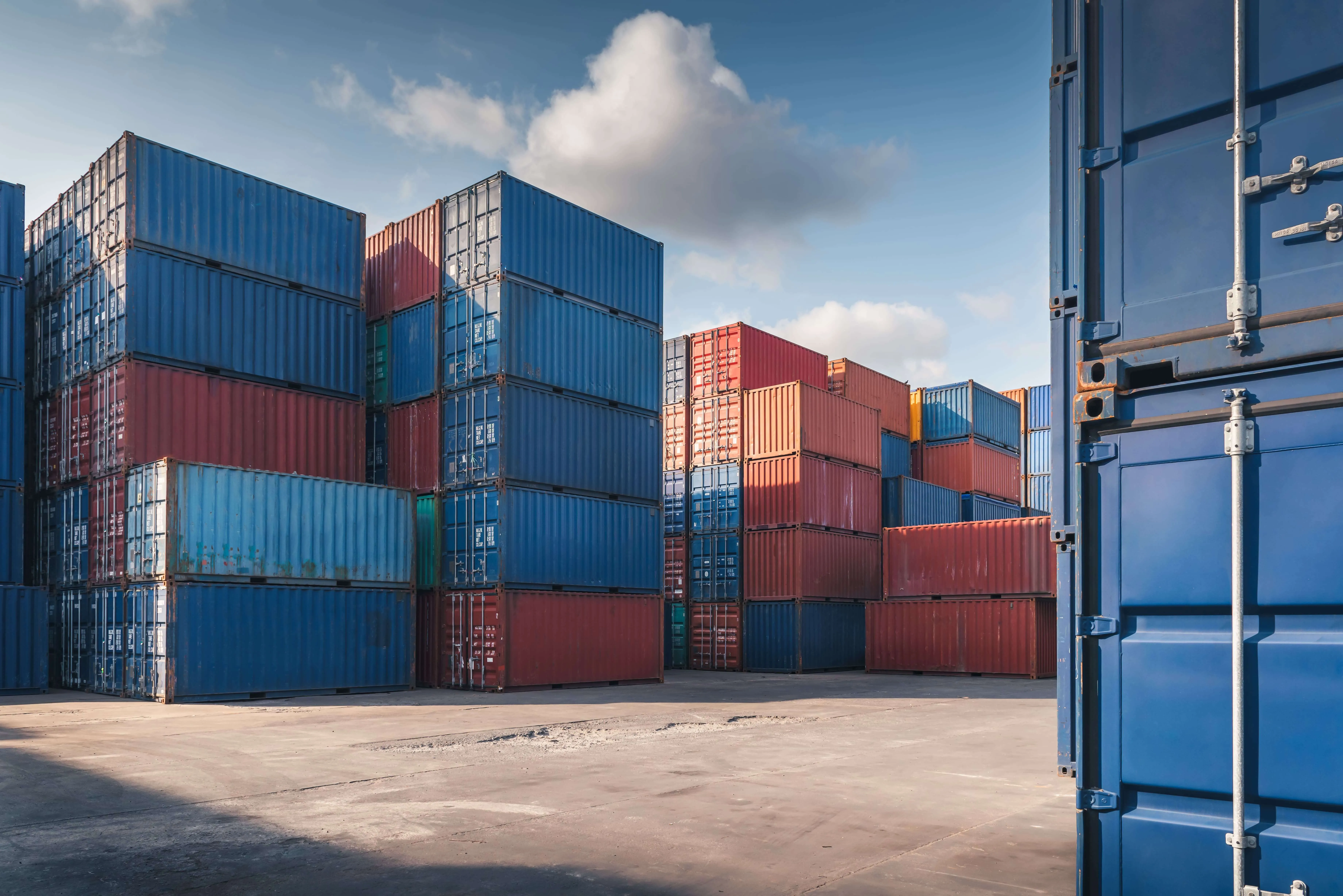
What our drayage service includes
Drayage is the truck move that connects a container's ocean or rail leg to the warehouse or plant, usually under 100 miles. The work is in the details: terminal appointments, chassis supply, container weight against road limits, hazmat authority and the free time clock at the terminal.
Total Connection manages those details for importers and exporters of chemicals and industrial goods. Because we also book the ocean freight and the warehouse, the container's status, cutoffs and free time are tracked by one team instead of three.
What we dray
- Hazmat containers with placarded product
- ISO tank containers, loaded and empty repositioning
- Overweight containers on triaxle chassis with permits
- Dry containers to and from warehouses, transloaders and plants
- Export containers with terminal cutoff and VGM handling
Drayage services
Port and rail drayage
Pickup and return at container terminals and intermodal ramps, with appointments, chassis and terminal fees managed per move.
Hazmat drayage
Carriers with hazmat authority and endorsed drivers, placarded containers handled with the shipping papers and emergency information the move requires.
ISO tank drayage
Tank container moves between terminals, depots, heating and cleaning stations and the customer's site, coordinated with our ISO tank shipping team.
Overweight containers
Weight verified before dispatch, triaxle chassis and overweight permits arranged, or transloading scheduled when the container cannot legally move on the road.
Transloading and warehousing
Container devanning, palletizing, cross-docking and storage near the port, then outbound truckload or LTL. See warehousing and distribution.
Demurrage and detention control
Free time, last free day and chassis days tracked for every container, with charges disputed and settled directly with the line when they arise.
How a drayage move runs with Total Connection
1. Container review
Commodity, hazmat status, weight, terminal, free time and delivery site requirements are confirmed before the carrier is assigned.
2. Appointment and chassis
Terminal appointment, chassis type and any overweight permit are secured, and the delivery site is scheduled to match.
3. Move and return
Container delivered, unloaded or transloaded, and the empty returned inside free time with the return receipt captured.
4. Charges reconciled
Terminal, chassis and any demurrage or per diem charges are checked against the record before they reach your invoice.
Why importers use us for drayage
- Hazmat and ISO tank drayage have been routine work since 1995
- Ocean, drayage, transload and warehouse managed by one team
- Overweight containers identified before dispatch, not at the scale
- Demurrage handled directly with the line, including a 25-container program where more than $300,000 in charges was settled
- $5 million general liability, carrier coverage confirmed at tender
Industries we serve with drayage
Chemical importers and distributors
Hazmat and non-hazmat containers from the port to plants and distribution centers, with placarding and paperwork handled.
Bulk liquid shippers
ISO tank and flexitank containers moved to heating, transloading and delivery points.
Industrial manufacturers
Machinery, components and raw materials drayed from port to plant, including overweight and flat rack containers.
Consumer goods and e-mobility
Import programs with warehousing, deconsolidation and, when plans change, storage, disposal and duty drawback coordination. See the Baltimore bike fleet case study.
Container drayage FAQ
What is container drayage?
Drayage is the short-haul trucking of a shipping container between a port or rail terminal and a warehouse, plant or transloader. It includes terminal appointments, chassis, weight compliance and the return of the empty container within free time.
Can you dray hazmat containers?
Yes. Hazmat drayage is assigned only to carriers with active hazmat authority and drivers with hazmat endorsements, and the shipping papers and placards are checked before pickup.
What happens if my container is overweight?
We verify the weight before dispatch. If it exceeds road limits we arrange a triaxle chassis and overweight permit where the route allows, or schedule transloading at a facility near the terminal.
What is the difference between demurrage and detention?
Demurrage is charged by the terminal or line while a container sits at the terminal past free time. Detention, or per diem, is charged while the container is outside the terminal past its allowed days. We track both dates for every container.
Which ports do you cover?
Drayage is arranged at major US container ports and inland rail ramps. Send the terminal, container details and delivery address and an operator confirms coverage and a rate.
Quote a drayage move
Send the container number or count, terminal, commodity, weight and delivery address. An operator replies with chassis, permit and rate details.
Tell us about your shipment.
Our team responds within minutes. One call, one contact, no handoffs.
732-817-0401
Available 24/7
quotes@totalconnection.com
We reply fast
Got it. A dispatcher will reach out from quotes@totalconnection.com or 732-817-0401 to get the shipment details and quote it. If the load is moving today, call us and mention you just sent the form.
The form did not go through. Email quotes@totalconnection.com or call 732-817-0401 and we will quote it by phone.