
Ocean Freight Forwarding for Chemical and Industrial Cargo
Total Connection is a licensed NVOCC (OTI 026203NF) arranging ocean freight for chemical and industrial shippers: FCL and LCL containers, ISO tanks and flexitanks for bulk liquids, breakbulk and RoRo for oversized equipment, with IMDG dangerous goods documentation, customs coordination and door delivery at both ends.
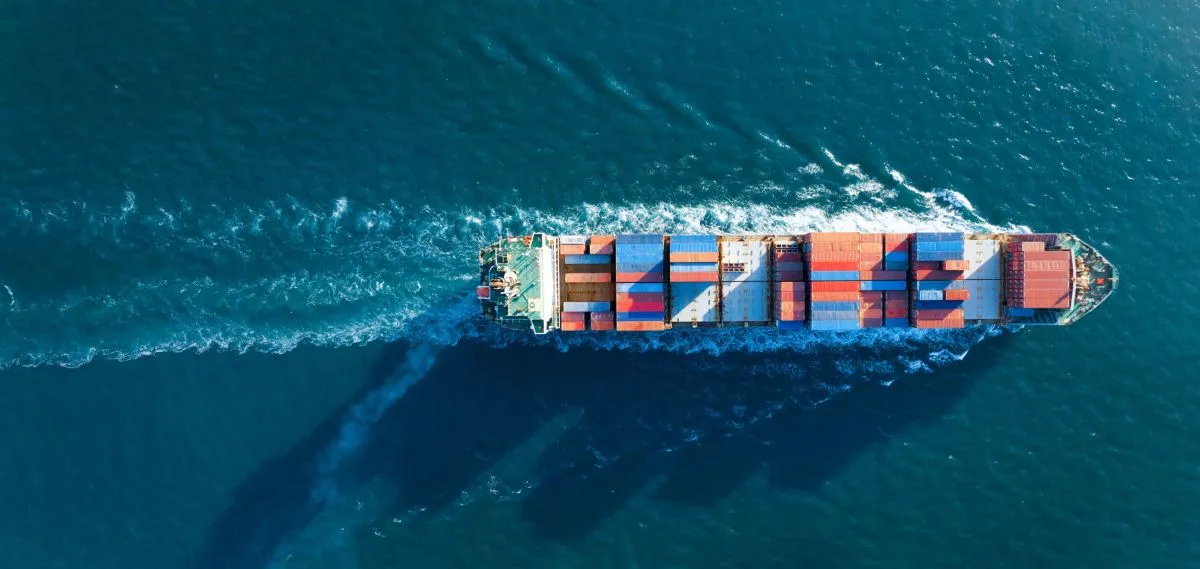
What our ocean freight service includes
Ocean freight forwarding covers the booking, documentation and inland legs of an international shipment. As an NVOCC we issue our own house bills of lading under our published NRA tariff, book space with the carriers that serve the lane, and coordinate export packing, drayage, customs and delivery so one contact runs the shipment from the shipper's dock to the consignee's door.
Chemical and industrial cargo is where we started. IMDG classification, segregation, ISO tank equipment and breakbulk stowage are routine work for our team, not exceptions.
What we ship by ocean
- Hazardous and non-hazardous chemicals in drums, IBCs and ISO tanks
- Food grade and industrial liquids in ISO tanks and flexitanks
- Industrial machinery, rig components and plant equipment as breakbulk, flat rack or RoRo
- Palletized and containerized general cargo, FCL and LCL
- Import programs with drayage, transloading and warehousing at US ports
Ocean freight services
Full container load (FCL)
20 ft, 40 ft and 40 ft high cube containers booked door to door or port to port, with hazmat placarding and segregation where the cargo requires it. See FCL shipping.
Less than container load (LCL)
Consolidated shipments for smaller volumes, with dangerous goods accepted where the consolidator and lane allow. See LCL consolidation.
ISO tank and flexitank
Bulk liquids moved without transloading: ISO tanks of 21,000 to 26,000 liters for hazardous and food grade product, flexitanks for non-hazardous liquids in a standard 20 ft container. See ISO tank shipping.
Breakbulk, flat rack and RoRo
Out-of-gauge machinery and rig components on flat racks, breakbulk vessels or RoRo decks, with engineered lashing and marine survey. See breakbulk and OOG cargo.
Dangerous goods documentation
IMDG classification review, dangerous goods declarations, carrier hazmat approvals and container placarding prepared before the booking is confirmed.
Customs and compliance coordination
Export filings, import entry coordination with licensed brokers, and destination compliance such as Australian DAFF biosecurity cleaning and fumigation. See Australian quarantine compliance.
How an ocean shipment runs with Total Connection
1. Cargo and lane review
Commodity, hazmat class, dimensions, Incoterms and destination requirements are confirmed, and the mode is chosen: container, ISO tank, breakbulk or RoRo.
2. Booking and documentation
Space is booked with the carrier serving the lane, the house bill of lading is issued under our NRA tariff, and dangerous goods declarations and export documents are prepared.
3. Origin and port operations
Export packing, drayage to the terminal, cutoffs and, for breakbulk, stevedore and marine survey coordination.
4. Destination and delivery
Customs entry coordination, quarantine or inspection clearance and door delivery with a complete document pack for the consignee.
Why shippers use us for ocean freight
- Licensed NVOCC, OTI 026203NF, with our own published NRA tariff
- Chemical and hazmat ocean freight has been core work since 1995
- Breakbulk and RoRo experience with rig and plant equipment, including a 1,019 metric ton rig to Brazil
- Port drayage, transloading and warehousing arranged by the same team
- $5 million general liability, marine cargo insurance arranged per shipment
Industries we serve with ocean freight
Chemical manufacturers and distributors
Drummed, IBC and ISO tank exports and imports with IMDG documentation and segregation handled at booking.
Oil and gas
Rig components, oilfield equipment and production chemicals moved breakbulk, RoRo or in containers to and from international operations.
Industrial and plant equipment
Machinery, vessels and fabricated assemblies shipped flat rack or breakbulk with export packing and marine survey.
Food and agriculture
Edible oils and food grade liquids in ISO tanks and flexitanks, and agricultural equipment exports with quarantine compliance.
Ocean freight FAQ
What is an NVOCC and why does it matter?
A non-vessel operating common carrier is licensed by the Federal Maritime Commission to issue its own bills of lading and contract ocean space on behalf of shippers. Total Connection holds OTI license 026203NF, so the house bill, the rate and the accountability for the shipment sit with one company.
What is the difference between FCL and LCL?
FCL means your cargo has the whole container; LCL means it shares a consolidated container and you pay for the space used. FCL suits larger volumes, hazmat that needs segregation and time-sensitive cargo. LCL suits smaller shipments where transit flexibility is acceptable.
Can you ship hazardous materials by ocean?
Yes. We classify under the IMDG Code, prepare dangerous goods declarations, secure carrier approval and arrange placarding and segregation. Some classes have lane or carrier restrictions, which we confirm before quoting.
When should I use an ISO tank instead of drums?
Once a liquid shipment reaches roughly 15,000 liters, an ISO tank usually costs less per liter than drums or IBCs, removes filling and disposal labor, and allows heating at destination. Flexitanks are the lower-cost option for non-hazardous liquids.
Do you handle customs clearance?
We coordinate export filings and work with licensed customs brokers at destination, and we manage destination compliance such as Australian biosecurity cleaning, fumigation and DAFF documentation.
Quote an ocean shipment
Send the commodity, hazmat class if any, dimensions or container count, origin, destination and Incoterms. A forwarder replies with routing and a rate.
Tell us about your shipment.
Our team responds within minutes. One call, one contact, no handoffs.
732-817-0401
Available 24/7
quotes@totalconnection.com
We reply fast
Got it. A dispatcher will reach out from quotes@totalconnection.com or 732-817-0401 to get the shipment details and quote it. If the load is moving today, call us and mention you just sent the form.
The form did not go through. Email quotes@totalconnection.com or call 732-817-0401 and we will quote it by phone.