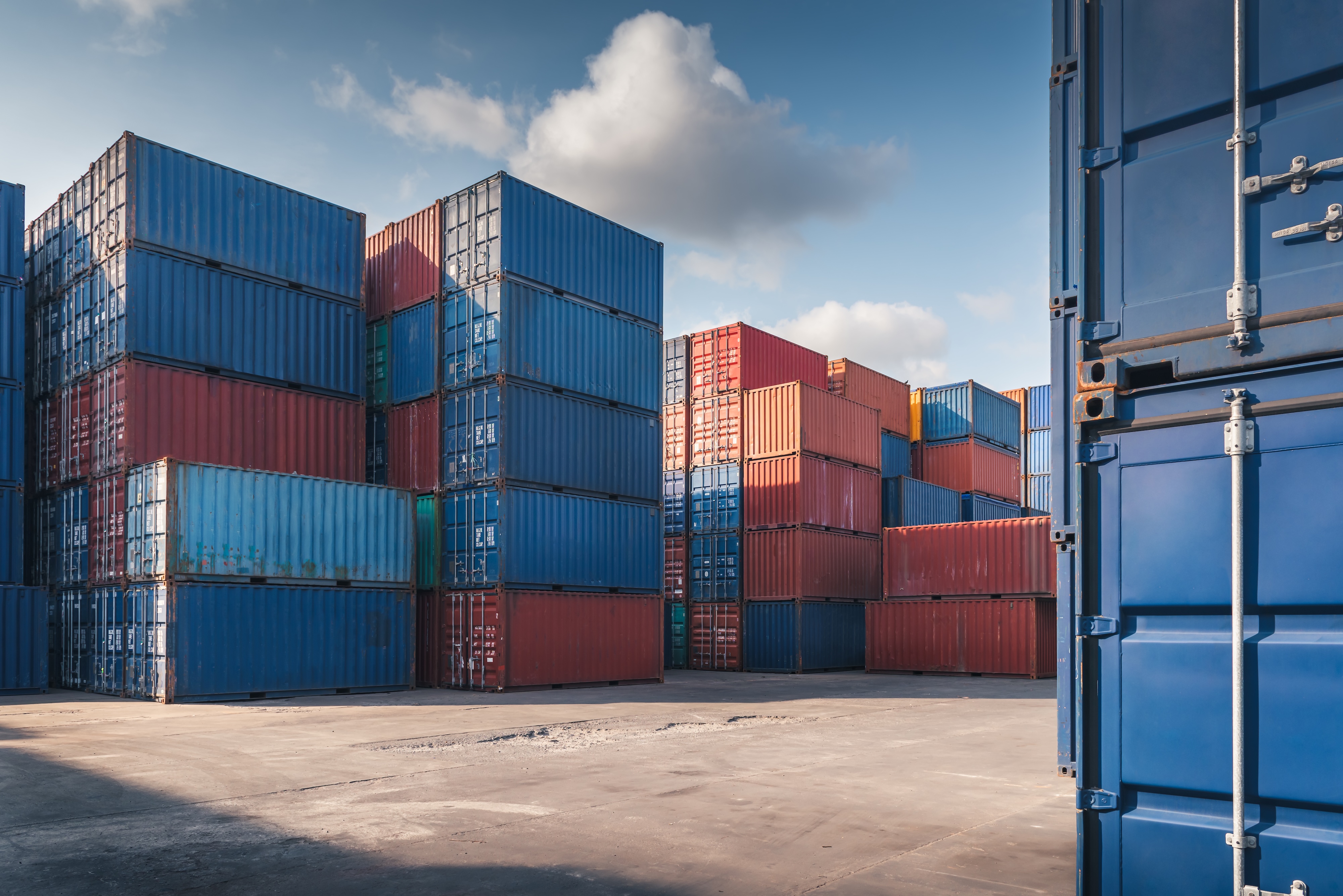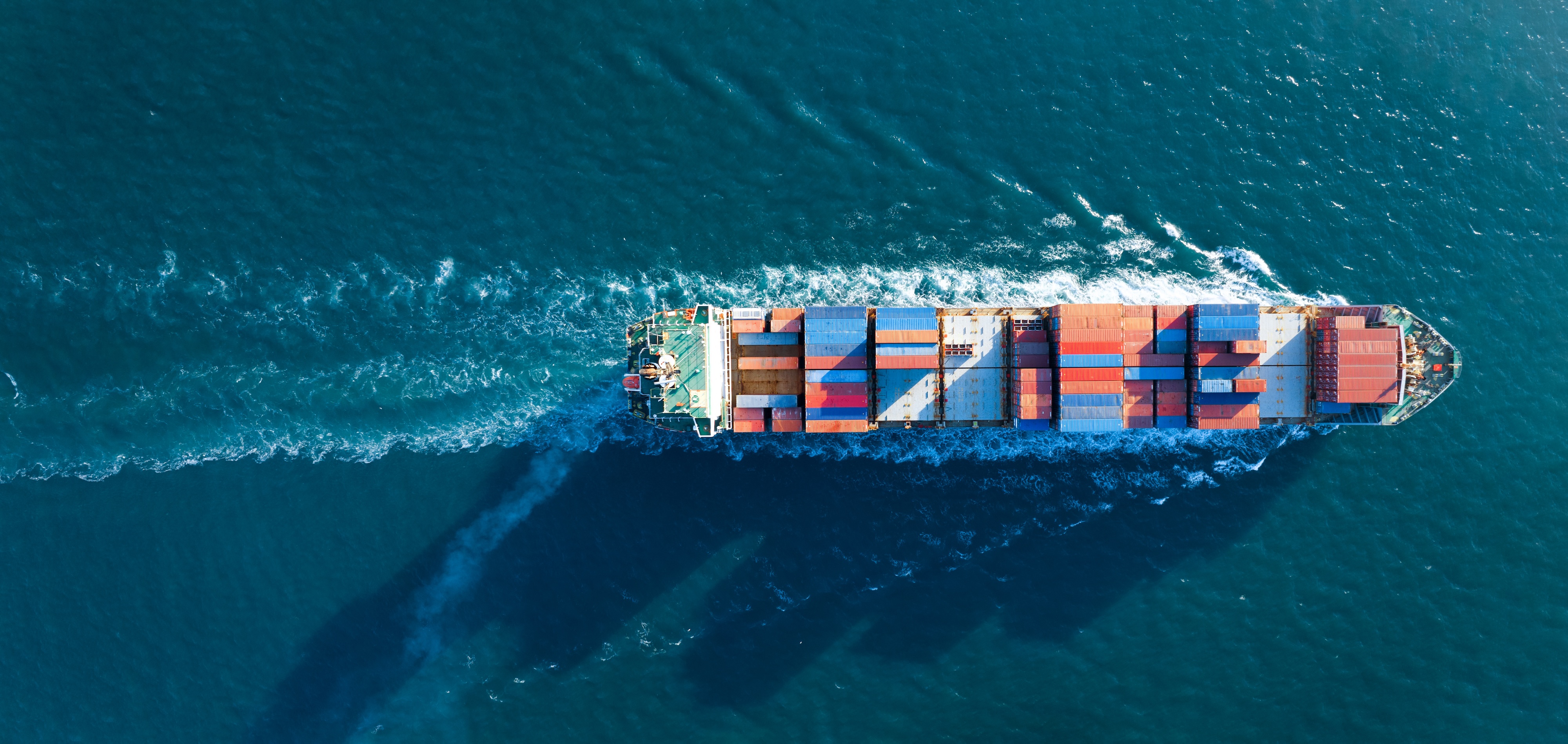

Full container load (FCL) shipping is an ocean freight service where a shipper's cargo occupies an entire container -a 20-foot (TEU) or 40-foot (FEU) unit - for direct transport from origin port to destination port. FCL is preferable to LCL when cargo volume exceeds approximately 15 cubic meters, when dedicated space and minimal handling are priorities, or when transit time and cargo security are critical factors.
The decision between FCL and LCL comes down to volume, timing, and cargo type. FCL makes sense when your shipment fills most or all of a standard container — generally above 15 cubic meters or approximately 10 pallets. But volume isn't the only reason to choose FCL.
Security matters too. When your cargo is the only thing in the container and that container is sealed at origin and opened at destination, the handling risk is dramatically lower than LCL freight that gets consolidated, deconsolidated, and handled at multiple points along the route. For high-value goods, sensitive materials, or cargo where contamination is a risk — including chemical products — FCL is often the right choice even at lower volumes.
Speed is the other factor. FCL containers move on direct or near-direct routings without the consolidation and deconsolidation stops that add time to LCL shipments. If your production schedule or customer commitments have hard delivery windows, FCL gives you more predictable transit times.
The workhorse of international ocean freight. 20-foot and 40-foot units for general cargo — manufactured goods, raw materials, packaged chemicals, industrial components, and any cargo that doesn't require temperature control or specialized handling.
40-foot and 45-foot high cube units provide an extra foot of interior height — critical for tall or voluminous cargo that won't fit in a standard container. Increasingly common for light, bulky freight where cubic capacity matters more than weight.
For cargo too wide or too tall for a standard enclosed container. Flat racks have collapsible ends and no side walls, allowing oversized freight to be loaded from the side or top. Used for heavy machinery, vehicles, industrial equipment, and project cargo components.
For cargo loaded from above — by crane or other lifting equipment — that can't be loaded through the container doors. Ideal for tall machinery, bulk materials, and cargo requiring top loading access at origin or destination.
Temperature-controlled FCL for cargo requiring precise temperature maintenance during ocean transit — food products, pharmaceuticals, certain chemicals, and other temperature-sensitive freight.
Specialized tank containers for bulk liquid cargo — chemicals, food-grade liquids, and petroleum products. For more detail on ISO tank FCL shipments see our chemical ocean freight page.
Submit your cargo details — commodity, weight, dimensions, origin and destination ports, and required sailing window. We pull competitive rates from our carrier network and come back with options typically same day.
We prepare or review all required export documentation: commercial invoice, packing list, bill of lading, certificate of origin, and any commodity-specific documents required for your trade lane. For hazardous cargo we manage the dangerous goods declaration and carrier approval process.
We coordinate container delivery to your facility or arrange inland transport to a container freight station for loading. Container seal number is documented and provided to you before vessel departure.
Your container is booked on your selected sailing. We monitor the vessel schedule and notify you of any changes or delays ahead of departure.
We track your container throughout transit and provide proactive updates. At destination we coordinate port arrival notification and work with your consignee or delivery agent to arrange pickup.
A lot of shippers default to LCL because the per-shipment cost looks lower on paper. Sometimes that's right. But when you factor in the additional transit time, the extra handling touchpoints, and the CFS charges at both ends, FCL often becomes the better value above a certain volume threshold — typically around 15 cubic meters.
We'll tell you honestly which option makes more sense for your specific shipment. If LCL is genuinely the better fit we'll quote you LCL. We're not trying to upsell you into a container you don't need — we're trying to give you the right solution so you keep coming back.
A 20-foot container (TEU) has approximately 33 cubic meters of internal volume and a maximum payload of around 28,000 kg. A 40-foot container (FEU) has approximately 67 cubic meters of internal volume and a similar maximum payload. A 40-foot high cube adds approximately 8 additional cubic meters of volume through its extra height. The right choice depends on your cargo's weight-to-volume ratio and the relative rates on your specific lane.
On most trade lanes booking two to four weeks ahead of your desired sailing is sufficient for standard FCL shipments. On high-demand lanes — particularly trans-Pacific lanes during peak season — booking four to six weeks ahead provides more rate and space certainty. For project cargo or specialized equipment requiring flat rack or open top containers, longer lead times are recommended. Total Connection can advise on booking lead times specific to your lane and sailing schedule.
A bill of lading (B/L) is the primary document in ocean freight — it serves as a receipt for the cargo, a contract of carriage between shipper and carrier, and a document of title that controls who can take possession of the goods at destination. As a licensed NVOCC, Total Connection issues its own bills of lading for FCL shipments we manage. The original B/L must be presented at destination to release the cargo — its management and timely transmission to the consignee is one of the most important administrative elements of any ocean freight shipment.
Rolling — when a carrier moves your booking to a later sailing due to vessel overbooking or operational issues — is a risk on all ocean freight bookings. When it happens to one of our shipments we notify you immediately, assess the impact on your timeline, and work to secure space on the next available sailing. Where time is critical we explore alternative vessel options including different carriers or routing changes to minimize delay.
Yes. Hazardous cargo in FCL containers requires IMDG Code compliance — correct classification, proper packing and marking, dangerous goods declaration, carrier approval for the specific commodity, and port terminal acceptance of the hazardous shipment. Total Connection manages all of these requirements. Hazardous FCL cargo is one of our core capabilities given our background in chemical logistics.
Free time is the period a shipper or consignee has to pick up or return a container at the port or terminal before demurrage and detention charges begin. Demurrage applies when the container sits at the port beyond the free time period. Detention applies when the container is taken out of the port but not returned within the allowed period. Free time varies by carrier and trade lane — typically 3 to 7 days for import cargo. Total Connection advises on free time terms at booking and monitors container status to help clients avoid unnecessary demurrage and detention charges.
Save as Draft, preview, and let me know when ready. Next up is LCL & Consolidation.