Break Bulk & OOG Ocean Cargo — When Your Freight Just Doesn't Fit
Liquid Bulk Tanker Transport Solutions.
What is Liquid Bulk Tanker Transport?

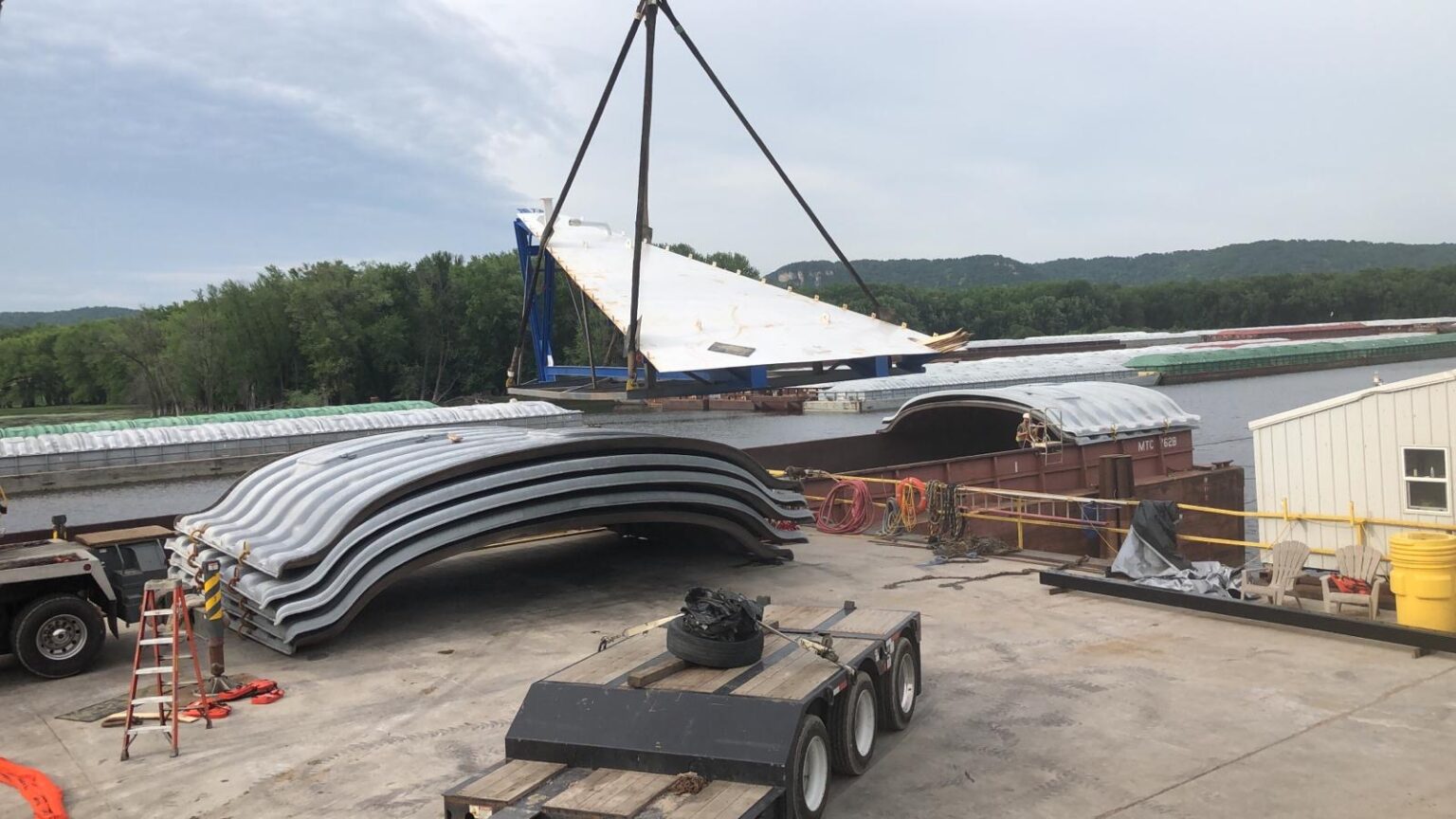
Break bulk cargo is freight that cannot be containerized due to its size, weight, or shape, and must be loaded individually onto a vessel — typically secured on deck or in the vessel's hold using specialized equipment. Out-of-gauge (OOG) cargo exceeds the standard dimensions of a 20-foot or 40-foot container in height, width, or length. Both categories require specialized vessel arrangements, port handling coordination, and logistics expertise that standard containerized freight operations don't provide.

Standard container shipping works for the vast majority of international cargo. But when you're moving a 200-tonne piece of industrial equipment, an oil rig component, a power generation module, or a piece of heavy construction machinery, the container option doesn't exist. You need a provider who can source the right vessel, coordinate the right port handling, and manage the engineering and documentation requirements that specialized ocean cargo demands.

Total Connection's project cargo team has been moving oversized, heavy, and non-containerized freight internationally for decades. We've executed some of the most complex ocean freight moves in the industry — including full drilling rig mobilizations with multiple vessel arrangements, heavy lift coordination, and multi-country port coordination. If your freight is too big, too heavy, or too complex for a standard container, we're set up for that conversation.

Break bulk and OOG solutions we provide

Flat rack containers

For cargo that exceeds standard container height or width but can be secured on a flat surface. Flat racks have collapsible ends and no side walls, allowing side or top loading. Used for heavy machinery, vehicles, steel structures, and industrial components that overhang standard container dimensions.

Open top containers

For cargo that must be loaded from above using a crane. Open top containers are enclosed on all sides but open at the top, providing a secure enclosed environment while allowing crane loading access. Used for tall machinery, bulk materials in bags or bundles, and cargo that cannot be loaded through standard container doors.

RoRo (Roll-on/Roll-off)

For wheeled or tracked cargo — vehicles, mobile equipment, trailers, and self-propelled machinery — that can be driven or towed directly onto the vessel via a ramp. RoRo is often the most cost-effective solution for wheeled project cargo and eliminates crane lifts at origin and destination ports.

LoLo (Lift-on/Lift-off)

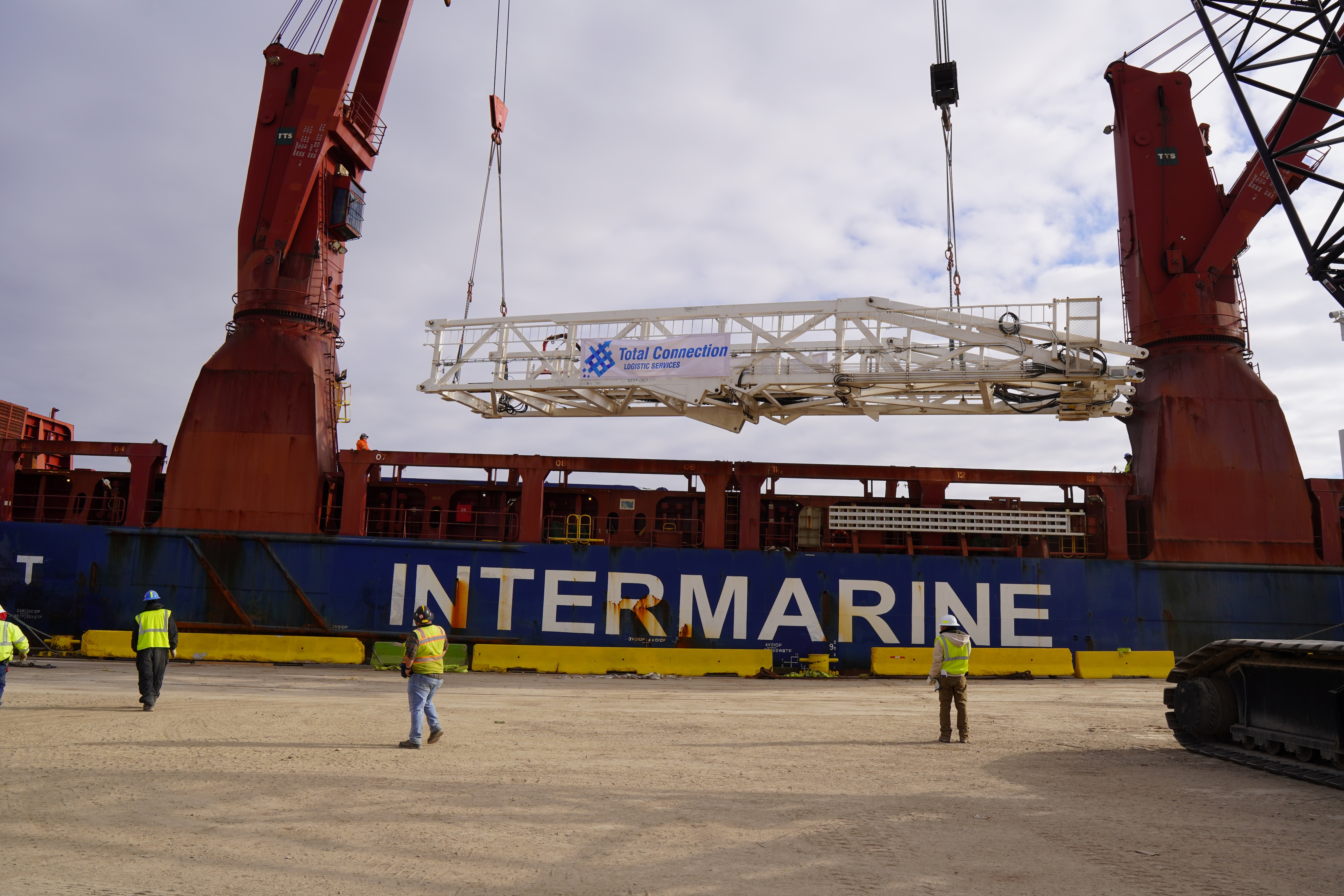
For heavy cargo that requires crane lifting at origin and destination ports. LoLo vessels are equipped with heavy lift cranes and can handle individual lifts from several hundred tonnes to over a thousand tonnes for the largest multipurpose heavy lift vessels.

Multipurpose and heavy lift vessels

Specialized vessels designed specifically for break bulk, OOG, and project cargo. These vessels combine cargo hold capacity for break bulk freight with heavy lift crane capability and deck space for oversized cargo. We source multipurpose and heavy lift vessel space from our network of specialized carriers for cargo that standard containerships can't handle.

Partial charter arrangements

For very large project cargo moves where a significant portion of a vessel's capacity is required, we arrange partial or full vessel charters. This gives shippers dedicated vessel space and scheduling control that liner booking can't provide.

Our break bulk and OOG process

Engineering and cargo study

For OOG and heavy lift cargo we start with a detailed cargo study — dimensions, weight, center of gravity, lifting points, and any special handling requirements. This information drives vessel selection, stowage planning, and port handling coordination.

Vessel sourcing and booking

We match your cargo to the right vessel type and source competitive rates from our network of multipurpose and heavy lift carriers. For standard OOG that fits on flat rack containers we work within the liner vessel network. For true heavy lift and specialized project cargo we source dedicated multipurpose vessel space.

Port coordination

Break bulk and OOG cargo requires coordination with port authorities, stevedoring companies, and terminal operators at both origin and destination. We manage this coordination directly — confirming port acceptance of the cargo dimensions and weight, arranging crane availability, and coordinating with stevedores on lifting and securing procedures.

Documentation and insurance

Break bulk and OOG ocean freight requires specialized documentation beyond standard containerized cargo — including cargo surveys, weight certificates, lifting point certifications, and in some cases engineering sign-off on stowage and securing plans. We manage documentation and work with cargo insurers experienced in heavy and project cargo risks.

What makes break bulk and OOG different from standard ocean freight

The complexity isn't just in the cargo — it's in the coordination. A break bulk or OOG move requires simultaneous management of vessel scheduling, port authority approvals, stevedoring coordination, crane availability, inland transport to the port, cargo surveys, specialized documentation, and insurance coverage specific to heavy and project cargo risks.

Every one of these pieces has to come together at the right time. A crane that's unavailable at origin. A port authority that hasn't confirmed OOG acceptance. A vessel that changes its port call schedule. These are the disruptions that derail break bulk and OOG shipments when managed by providers who don't do this regularly.

Our project cargo team manages break bulk and OOG ocean freight as a core competency. The coordination experience, the port relationships, and the specialized carrier network are already in place — you're not asking us to figure it out for the first time on your cargo.

Have OOG or Break Bulk Cargo to Move?
FAQS/

Frequently asked questions

What is the difference between break bulk and OOG cargo?

Break bulk cargo is freight that cannot be containerized at all and must be shipped as individual pieces or units directly in a vessel's hold or on deck. OOG (out-of-gauge) cargo specifically refers to cargo that exceeds the standard dimensions of a shipping container — too tall, too wide, or too long — but may still be carried on specialized container equipment like flat racks. In practice the terms are often used interchangeably for non-standard cargo requiring specialized handling, though their technical definitions are distinct.

What is the maximum weight and size Total Connection can handle for OOG ocean cargo?

There is no standard maximum — it depends on the vessel type sourced and the port facilities at origin and destination. Flat rack container solutions can typically handle cargo up to approximately 40 tonnes within standard flat rack dimensions. Multipurpose and heavy lift vessels can handle individual lifts of several hundred to over a thousand tonnes for the largest specialized vessels. For very large or heavy cargo we assess feasibility on a case-by-case basis based on your specific cargo dimensions, weight, and route.

How is OOG cargo priced for ocean freight?

OOG and break bulk cargo is priced on a case-by-case basis rather than standard container rates. Pricing factors include cargo dimensions and weight, vessel type required, trade lane and port pair, seasonal market conditions for specialized vessel capacity, port handling costs at origin and destination, and any special equipment or engineering requirements. Total Connection provides detailed all-in quotes for OOG and break bulk cargo based on your specific cargo study.

What is a cargo survey and when is it required?

A cargo survey is a professional inspection and measurement of your cargo carried out by a marine surveyor before shipment. It establishes the cargo's exact dimensions, weight, condition, and lifting point certifications — information required for vessel stowage planning, insurance, and in some cases port authority acceptance. Cargo surveys are standard practice for heavy lift and OOG ocean freight and are strongly recommended for any high-value or complex break bulk cargo.

What is the difference between RoRo and LoLo for project cargo?

RoRo (Roll-on/Roll-off) is used for wheeled or self-propelled cargo that can be driven or towed onto the vessel via a ramp — vehicles, mobile equipment, and wheeled machinery. No crane is required. LoLo (Lift-on/Lift-off) is used for cargo that must be lifted onto the vessel by crane — fixed machinery, heavy structures, and non-wheeled equipment. RoRo is typically faster and less expensive when applicable. LoLo is required when the cargo cannot roll and must be lifted. Many multipurpose vessels offer both capabilities.

Can you handle break bulk ocean freight to ports with limited infrastructure?

Yes — though port infrastructure limitations affect what's possible for heavy lift and OOG cargo. Ports with limited crane capacity or shallow drafts restrict the vessel types that can call there and the individual lift weights that can be handled. For destinations with infrastructure constraints we assess port capabilities as part of the routing study and identify solutions — including alternative discharge ports with better infrastructure combined with inland transport to the final destination.

How far in advance do I need to plan a break bulk or OOG ocean shipment?

Significantly further in advance than standard containerized cargo. Multipurpose and heavy lift vessel sailings are less frequent than container liner schedules, and specialized vessel space books up faster on routes with high project cargo demand. For most break bulk and OOG shipments we recommend beginning the planning process at least 6 to 8 weeks before your required loading date — and longer for very large or complex cargo requiring engineering input and cargo surveys. The earlier we start the more vessel options and rate flexibility we have.

Get A Quote Today - Cargo X Webflow Template