
Container Drayage - From the Port to the Final Mile, One Team Owns It
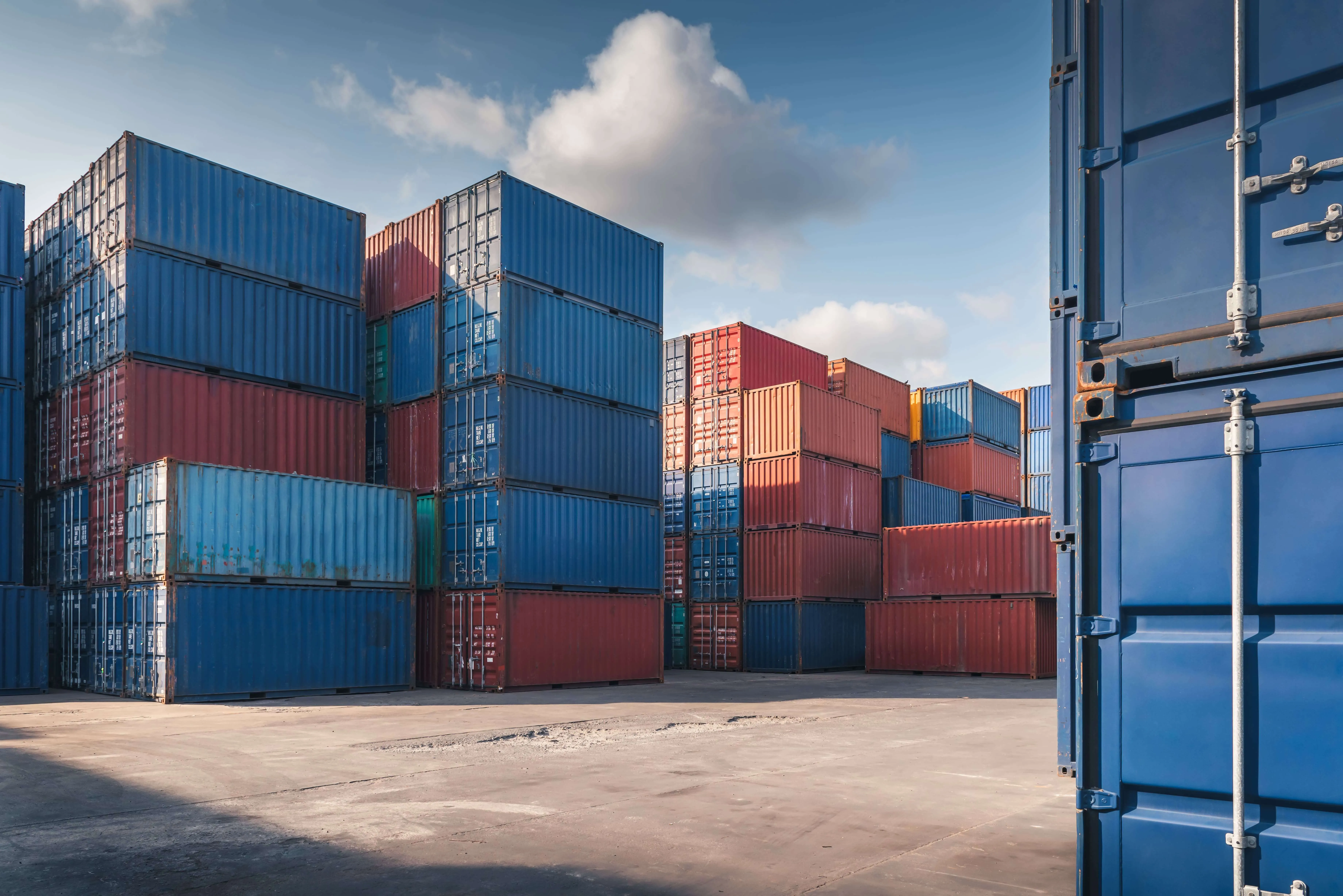
Container drayage is the short-distance transport of shipping containers between ports, rail terminals, warehouses, and final delivery locations. It connects the long-haul ocean or rail leg of a shipment to its next destination. Drayage sounds simple but is operationally complex: port terminal appointments, chassis availability, container weight compliance, hazmat handling, demurrage and detention management, and last mile delivery coordination all have to work together or the shipment stalls.
Decades of Personalized Experience
Years of container logistics experience
Pre-approved carriers including drayage
Port and terminal coverage
What you need to know.
The part of your supply chain that breaks most often — and doesn’t have to
Container drayage is where international shipments go to die. Not literally — but operationally, more supply chain failures happen in the drayage leg than in the ocean transit, the customs clearance, or the final distribution combined.
A container arrives at the port. The terminal appointment window is tight. The chassis pool is short. The driver shows up and the container isn’t available yet — or it’s available but the chassis he reserved isn’t. Now you’re burning demurrage at $150 to $300 per day while everyone points fingers at everyone else.
Or the container clears the port fine but the delivery location can’t receive it until Thursday. The container sits on a chassis for three days. Detention charges stack up. The trucking company bills you for chassis usage you didn’t plan for.
Or the container is overweight and the driver gets turned back at the scale. Now you need a transload to split the weight across two trucks before the freight can move to its final destination.
These are not edge cases. They are Tuesday in container drayage. And every one of them is preventable with a drayage provider who manages the full picture instead of just dispatching a truck.
How Total Connection handles drayage differently
We don’t treat drayage as a standalone truck dispatch. We treat it as the critical connector between your ocean or rail shipment and your warehouse, distribution center, or customer — because that’s what it is. Every drayage move we manage includes terminal appointment scheduling, chassis availability confirmation, container weight and overweight assessment, demurrage and detention monitoring from the moment the container is available, and delivery coordination with the receiving facility.
One account manager handles the full move. When something changes — and in drayage, something always changes — you hear from us proactively, not after the charges have already started accruing.
Our drayage services
Port drayage
Container pickup from marine terminals at all major US ports — New York/New Jersey, Savannah, Houston, Long Beach, Los Angeles, Charleston, Norfolk, Oakland, Seattle/Tacoma, and others. Terminal appointment scheduling, chassis coordination, and live container tracking from gate out to delivery.
Rail drayage
Container pickup and delivery from inland rail terminals and intermodal ramps. BNSF, UP, CSX, and NS facilities covered. Rail drayage requires the same terminal appointment and chassis management as port drayage — and we manage it the same way.
Transload services
When a container can’t be delivered directly — because it’s overweight, because the receiving facility can’t handle containers, or because the freight needs to be broken down into multiple smaller shipments — we coordinate transload at facilities near the port or rail terminal. Container stripped, freight reloaded onto domestic trailers, and delivered on schedule.
Cross-dock services
For shipments that need sorting, consolidation, or redistribution before final delivery. Container arrives, freight is unloaded at a cross-dock facility, sorted or reconfigured, and shipped out to multiple destinations on domestic trucks. We coordinate the full cross-dock operation.
Last mile container delivery
Direct container delivery to the final destination — warehouse, distribution center, manufacturing facility, or job site. Including residential and limited-access deliveries where standard container chassis can’t access the delivery point.
Hazmat container drayage
Drayage for containers holding DOT-regulated hazardous materials. Certified hazmat carriers, HAZMAT-endorsed drivers, proper placarding and documentation, and compliance management from terminal gate to delivery dock.
Fortune 500 Execution. Small Business Attention.
Expertise
30+ years of liquid bulk chemical and global logistics expertise
Network
30,000+ pre-approved certified carriers
Agility
24/7 live coverage, rapid response
Built for Industrial & Chemical Supply Chains.
Chemical Manufacturers
Petrochemicals
Agriculture
Oil & Gas
Mining
Pharmaceuticals
Manufacturing
Food & Beverage
Industrial Suppliers
Construction
Built for the industries that move.
Total Connection serves chemical manufacturers, distributors, and industrial supply chains that need a logistics partner who understands what they’re moving — not just that it needs to move.
Industries we serve with container drayage
Chemical importers and distributors
ISO tank and dry container drayage for chemical imports — hazmat and non-hazmat. Overweight container management, transload coordination, and hazmat compliance handled as standard on every chemical drayage move.
Consumer goods and retail
High-volume container drayage programs for retail importers. Port to warehouse, port to distribution center, and port to cross-dock with outbound distribution to multiple locations.
Food and beverage importers
Temperature-sensitive and food-grade container drayage with FSMA compliance. Dedicated equipment where required, pre-delivery inspection, and receiving facility coordination.
Manufacturing and industrial
Raw material and component container drayage from ports and rail terminals to manufacturing facilities. Just-in-time delivery coordination for production-critical container freight.
Construction materials
Heavy and overweight container drayage for construction material imports — steel, stone, tile, fixtures. Overweight assessment and transload coordination for containers that exceed road weight limits.
E-commerce and fulfillment
Container drayage to fulfillment centers and 3PL warehouses. High-frequency programs with scheduled delivery windows and appointment management.
Frequently asked questions.
Frequently asked questions
What is container drayage?
Container drayage is the short-haul trucking of shipping containers between ports, rail terminals, warehouses, and final delivery locations. It’s the ground transportation leg that connects ocean or rail shipping to the domestic supply chain. Despite being a short-distance move — typically under 100 miles — drayage involves significant coordination including terminal appointments, chassis management, weight compliance, and delivery scheduling.
How much does container drayage cost?
Drayage rates vary by port, distance, container size, weight, and market conditions. Base drayage rates at major US ports typically range from $300 to $800 for standard moves, with additional charges for fuel surcharges, chassis usage, tolls, and special handling. Hazmat drayage, overweight containers, and last mile deliveries to difficult-access locations carry rate premiums. Total Connection quotes all-in drayage rates so you see the full cost upfront.
What is the difference between demurrage and detention?
Demurrage is the charge assessed by the ocean carrier or terminal when a container remains at the port beyond the allotted free time after discharge from the vessel. Detention is the charge assessed when a container or chassis is held outside the terminal — at a warehouse or delivery location — beyond the allotted free time before being returned. Both charges accrue daily and add up quickly. Total Connection monitors free time on every container and works to minimize both through proactive scheduling and fast execution.
Can you handle hazmat container drayage?
Yes — hazmat drayage is one of our core services, not a specialty add-on. Chemical imports frequently arrive in containers requiring hazmat handling — proper carrier certification, HAZMAT-endorsed drivers, DOT placarding, and compliant documentation. Our carrier network includes hazmat-certified drayage operators at every major US port, and our team manages the compliance requirements as a standard part of every hazmat drayage move.
What happens if my container is overweight?
If a container exceeds road weight limits — common for chemical, mineral, and heavy commodity imports — it cannot legally be transported on public roads without a permit or weight reduction. Total Connection assesses container weights before dispatch using verified gross mass data from the shipping line. If overweight, we coordinate transload services near the port or rail terminal to split the freight across multiple domestic trailers. This is handled proactively before the container leaves the terminal.
What ports does Total Connection serve for drayage?
We provide drayage services at all major US ports including New York/New Jersey, Savannah, Houston, Long Beach, Los Angeles, Charleston, Norfolk, Oakland, Seattle, Tacoma, Baltimore, Miami, Jacksonville, and others. We also cover inland rail terminals and intermodal ramps for BNSF, Union Pacific, CSX, and Norfolk Southern.
What is transloading and when is it needed?
Transloading is the process of unloading freight from a shipping container and reloading it onto domestic trucks — typically because the container is overweight for road transport, the receiving facility can’t handle container deliveries, or the freight needs to be split into multiple smaller shipments. Total Connection coordinates transload at facilities near the port or rail terminal, including labor, outbound trailer scheduling, and delivery to the final destination.
How do I avoid demurrage and detention charges?
The most effective way is to have your drayage provider schedule the terminal pickup as early as possible within the free time window, confirm chassis availability before dispatch, coordinate delivery appointments with the receiving facility in advance, and return the empty container promptly after unloading. Total Connection monitors free time windows on every container from the moment it’s discharged and schedules pickup to maximize available free time. Proactive management is the only reliable way to control these charges.
Tell us about your shipment.
Our team responds within minutes. One call, one contact, no handoffs.
732-817-0401
Available 24/7
quotes@totalconnection.com
We reply fast
Need Container Drayage Coverage?
One call connects you to drayage operators at every major US port and rail terminal. Tell us where the container is and where it needs to go.