Agricultural Chemical Shipping — When the Window Is Open, Your Freight Needs to Move
Liquid Bulk Tanker Transport Solutions.
What is Liquid Bulk Tanker Transport?

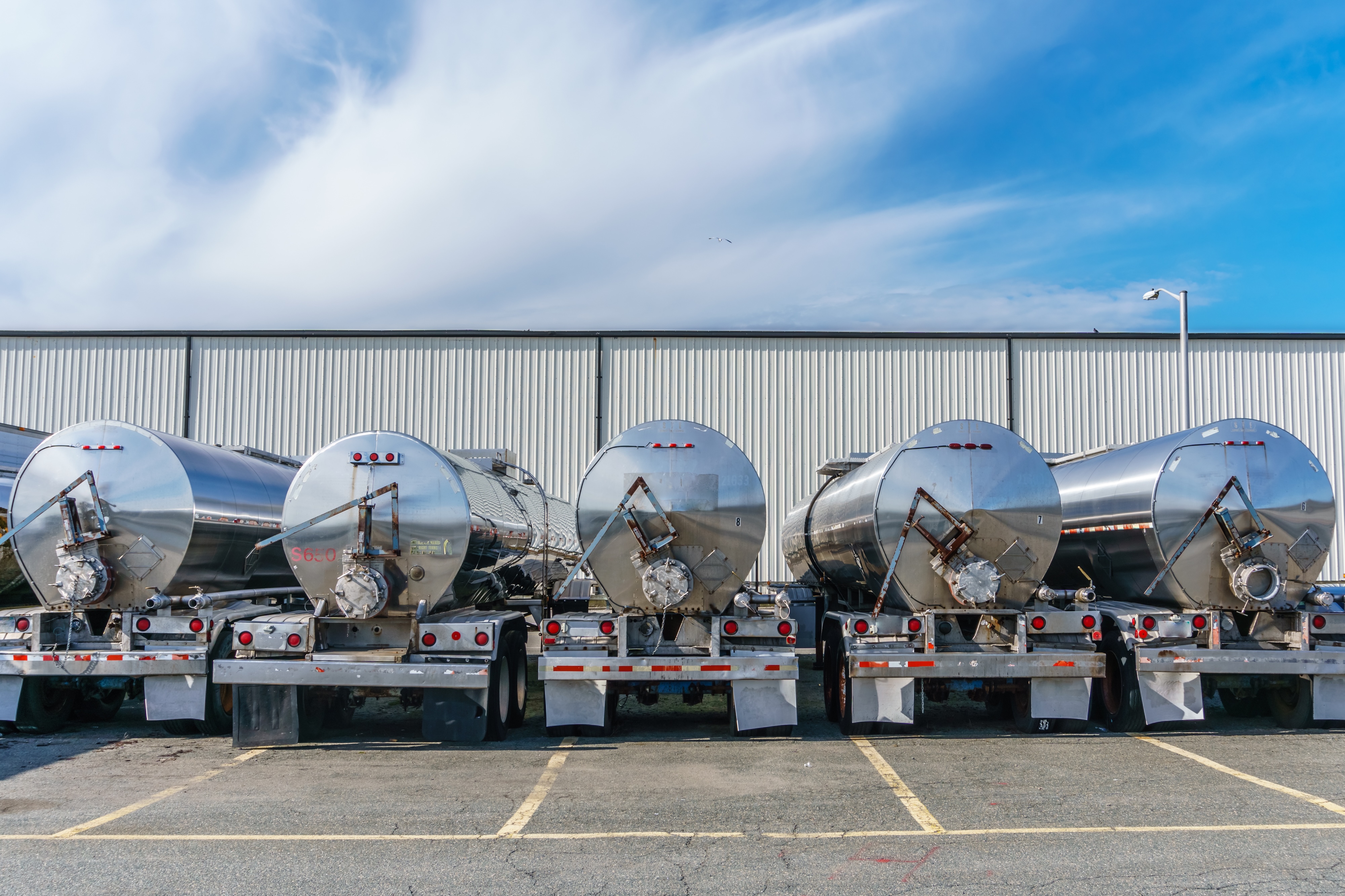
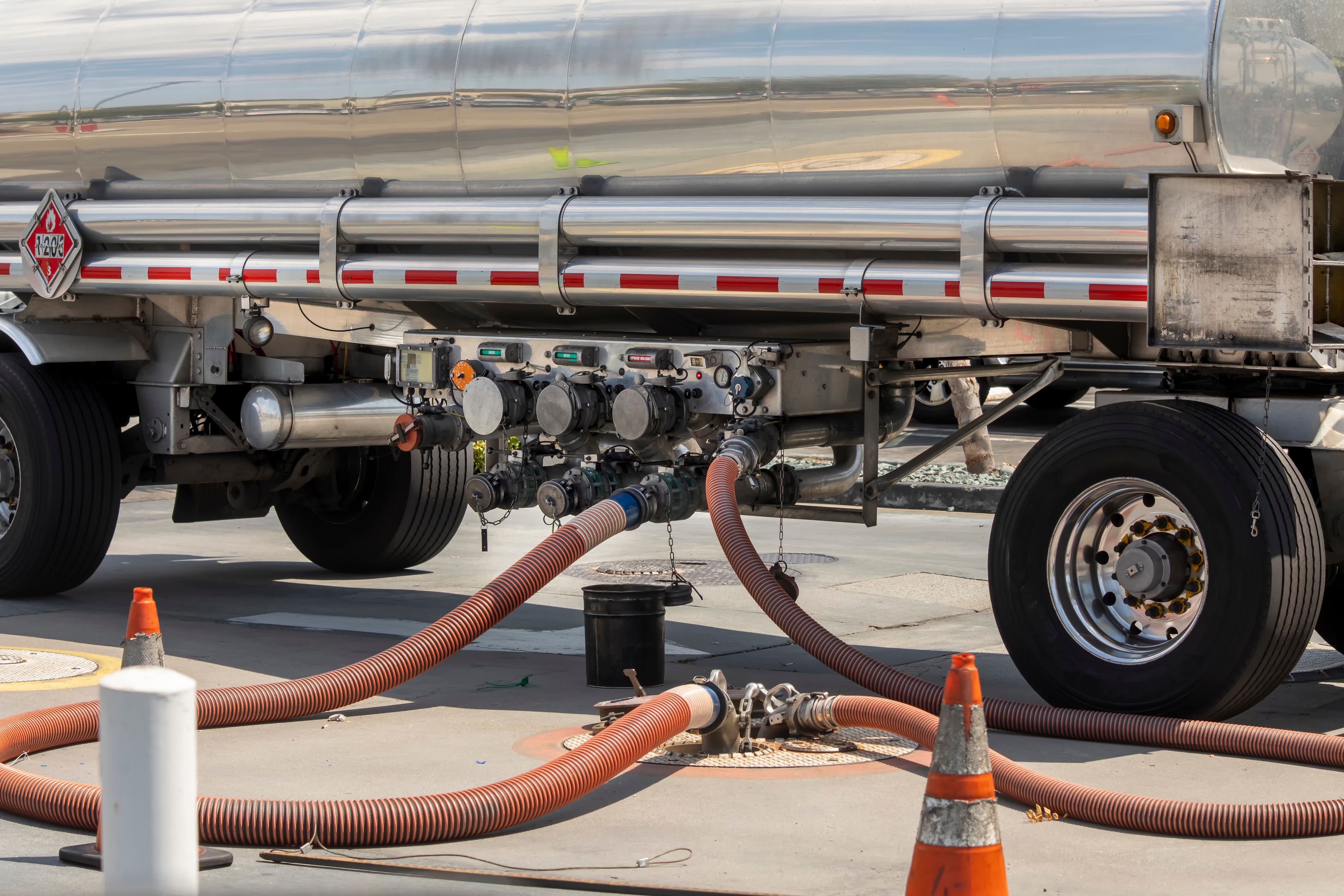
Agricultural chemical shipping is the bulk transportation of agrochemicals: herbicides, pesticides, fungicides, insecticides, liquid fertilizers, and crop protection products in tanker trucks or ISO containers. Ag chemical shipments are frequently DOT-regulated hazardous materials, highly seasonal in demand, and require precise delivery timing aligned with planting and application schedules. Missing a delivery window in agrochemical logistics isn't a service failure it's a missed growing season.

A liquid fertilizer that arrives two weeks after the application window is more than a late delivery. It's a write-off. A herbicide that misses planting season doesn't get used later — it gets returned or disposed of. The urgency in agricultural chemical logistics is real and measurable in ways that most other freight categories don't face.

That urgency comes at exactly the moment when capacity is tightest. Spring planting and fall application seasons create demand spikes that stress tanker capacity in every major agricultural corridor simultaneously. Every ag chemical shipper is competing for the same trucks at the same time.

The shippers who don't have this problem are the ones who've built a relationship with a broker who planned ahead with them — and held capacity before the season turned.

Total Connection has been managing ag chemical logistics long enough to understand this cycle completely. We build our capacity reservations in key agricultural corridors — the Midwest, the South, the Plains, the Pacific Northwest — in advance of peak seasons, specifically so our clients have coverage when their competitors are scrambling.

Agrochemicals we move

Herbicides and weed control products

Glyphosate, dicamba, 2,4-D, atrazine, and other liquid herbicide formulations. Many are DOT-regulated hazardous materials requiring properly certified carriers, documentation, and placarding.

Insecticides and pesticides

Liquid insecticide concentrates, emulsifiable concentrates, and suspension concentrates for crop protection applications. EPA FIFRA regulations apply alongside DOT requirements for most products in this category.

Fungicides

Liquid fungicide formulations for fruit, vegetable, and row crop applications. Often carry both EPA and DOT regulatory classification simultaneously.

Liquid fertilizers

UAN (urea ammonium nitrate) solutions, liquid micronutrient blends, and other bulk liquid fertilizer products. UAN carries specific safety handling requirements and equipment considerations distinct from other agrochemicals.

Crop protection chemical intermediates

Bulk active ingredient moves between manufacturing facilities and formulation plants — including international ocean freight for agrochemical imports and exports where Total Connection's global logistics capability becomes relevant.

Seasonal capacity planning for ag chemical shippers

The biggest risk in ag chemical logistics is not having a carrier when you need one. Total Connection helps ag chemical shippers plan ahead with advance lane capacity reservation for spring and fall application seasons, dedicated carrier relationships in key ag corridors, emergency coverage when planned capacity falls through, and flexible booking windows that align with weather-dependent application schedules.

What we've seen and what we've solved

A major ag chemical distributor came to us mid-season when their primary carrier had exhausted capacity on two key Midwest lanes during peak herbicide application. They needed coverage fast — and they needed a broker who already had carrier relationships on those specific lanes, not one who was going to start building them in an emergency.

We had active carrier relationships on both lanes. Coverage was confirmed the same day. Not because we got lucky — because we'd built those lane relationships specifically for situations like this.

That's the value of working with a liquid bulk specialist who has been in the agricultural chemical market for three decades.

Why ag chemical logistics requires a specialist

Agricultural chemical freight is unlike most other chemical shipping categories for one critical reason: timing is everything. At the same time, ag chemical demand is highly seasonal and concentrated — meaning capacity tightens dramatically at exactly the moments when shippers need it most. The combination of time pressure, regulatory complexity, and capacity volatility makes ag chemical logistics one of the most demanding categories in the liquid bulk space.

Total Connection has built its carrier network and operational processes around exactly these conditions. We maintain priority capacity relationships in major ag chemical corridors specifically to provide reliable coverage during peak seasons.

Plan Your Ag Chemical Shipping Program Now
FAQS/

Frequently asked questions

Are agricultural chemicals considered hazardous materials for shipping?

Many agrochemicals are DOT-regulated hazardous materials. Herbicides and pesticides frequently fall under Class 3 (flammable liquids), Class 6 (toxic substances), or Class 9 (miscellaneous hazardous materials) depending on their formulation and concentration. Liquid fertilizers like UAN solutions may carry oxidizer or other classifications. Total Connection reviews the hazmat status of every ag chemical shipment and ensures the correct carrier, documentation, and equipment are in place.

How do you manage seasonal capacity for agricultural chemical shipping?

We actively build carrier capacity in key agricultural corridors in advance of known peak seasons — rather than sourcing reactively when demand spikes. Shippers who work with us on an ongoing basis benefit from priority access to that reserved capacity. If you've experienced capacity problems during peak ag seasons with other brokers, the solution is planning earlier with a provider who already has those carrier relationships.

Can you ship agrochemicals internationally?

Yes. Total Connection handles international agrochemical logistics including ocean freight for bulk liquid formulations and active ingredients, international hazmat documentation, customs clearance, and coordination with destination country import requirements. International agrochemical shipments — particularly for EPA-regulated pesticides — require specific export documentation that our team manages as part of the service.

What's the difference between shipping a formulated ag chemical versus a raw active ingredient?

Formulated agrochemicals are the diluted, ready-to-use or ready-to-dilute products distributed to growers. Active ingredients are the concentrated chemical components used in formulation manufacturing. Active ingredients are typically more concentrated, more heavily regulated, and more hazardous to transport — requiring more specialized equipment and more rigorous compliance documentation. We handle both, and we treat them with the appropriate level of attention.

How far in advance should I plan my seasonal ag chemical shipping?

As early as possible — ideally two to three months ahead of your peak season. The carriers who can move your product are also being pursued by every other ag chemical shipper in your region. The earlier you have a confirmed plan with a broker who holds lane capacity, the more protected you are when the season turns and everyone else is competing for the same trucks.

Get A Quote Today - Cargo X Webflow Template