Bulk Chemical Freight Rates — Here's What You're Actually Paying For, and Why
Liquid Bulk Tanker Transport Solutions.
What is Liquid Bulk Tanker Transport?

Bulk chemical freight rates are determined by a combination of the origin-destination lane, chemical type and hazmat classification, equipment requirements, current carrier capacity in the lane, fuel surcharges, distance, and any special handling requirements. Rates are quoted per load and — with a transparent broker — include all fees upfront: base rate, fuel surcharge, and any applicable accessorials. Rate surprises on the invoice are a broker problem, not a market reality.

We talk to procurement teams fairly often who are surprised at the difference between liquid bulk chemical rates and the dry freight rates they're used to. It's a real difference, and it's worth understanding what's behind it.

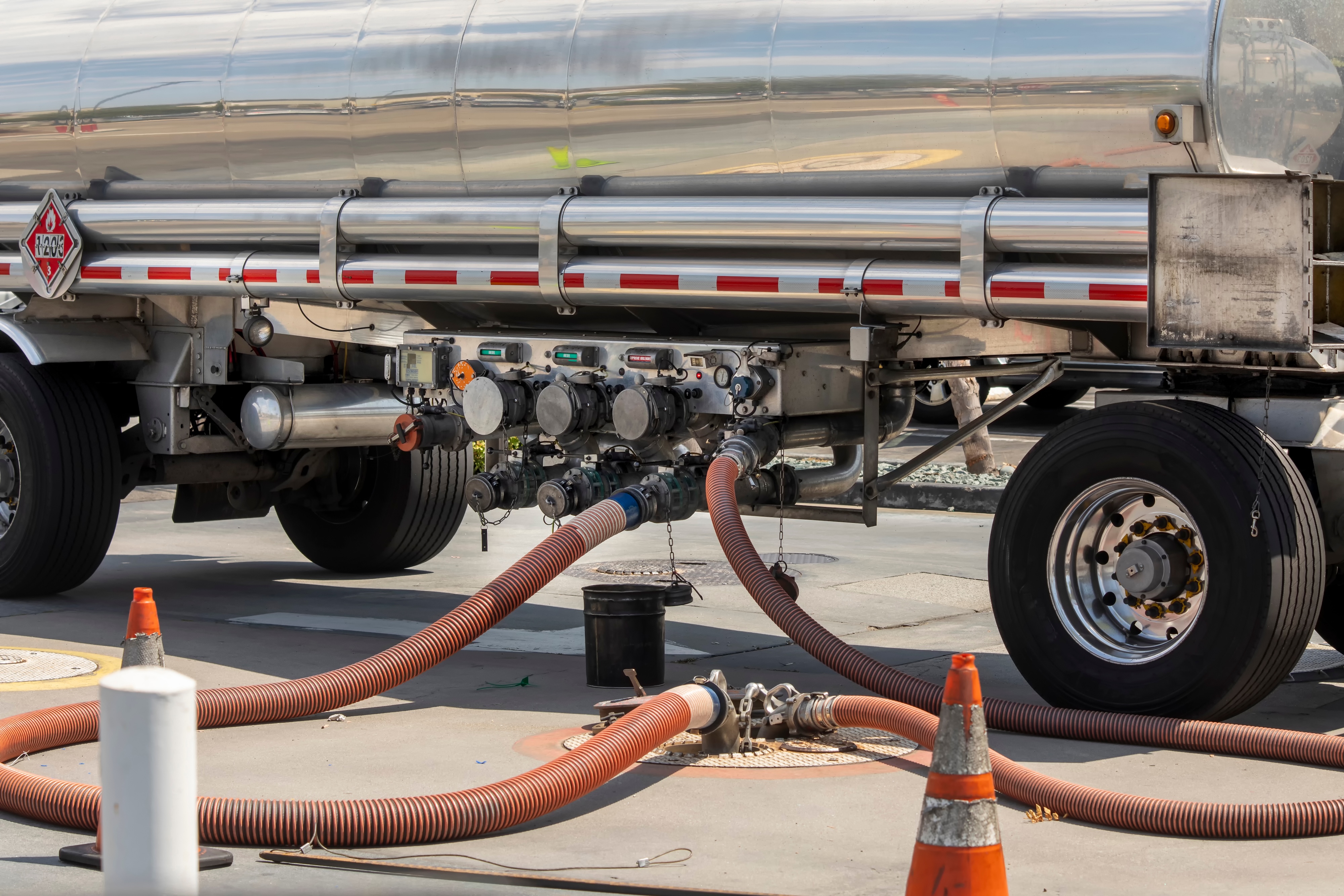
Tanker equipment is more expensive to build, maintain, and operate than a standard dry van trailer. Hazmat-certified drivers with tanker endorsements earn more than standard CDL drivers — and there are fewer of them. The compliance burden for chemical freight is significantly higher than for dry freight. Loading and unloading a liquid bulk shipment takes more time and coordination than loading pallets. The carrier pool for specialized liquid bulk freight is a fraction of the size of the dry van market.

None of that is a markup. It's the actual cost of moving liquid chemicals safely and compliantly. When you see a liquid bulk rate that seems surprisingly low, the question worth asking is what corner is being cut.

What drives your bulk chemical freight rate

The lane

Origin and destination is the biggest single driver of rate. Lane rates reflect distance, carrier availability in both directions, the balance of outbound and inbound freight volume, and competition among carriers who service that corridor. A heavily trafficked chemical corridor with lots of backhaul opportunities will rate differently than a one-way lane with limited return freight.

Chemical type and hazmat classification

The chemical being transported affects the available carrier pool and the compliance cost of the shipment. Hazmat-classified products require carriers with specific endorsements — narrowing the available pool and often increasing the rate. Products that require specialty tank types narrow the pool further.

Equipment requirements

Stainless steel, lined, heated, food-grade, and pressure tanks all carry rate premiums over standard aluminum atmospheric tanks. The more specialized the equipment, the smaller the carrier pool and typically the higher the rate. This is particularly relevant for temperature-sensitive or highly reactive chemicals.

Market capacity

Liquid bulk rates fluctuate with supply and demand. During peak ag chemical seasons, after major weather events, or in regional markets with concentrated industrial demand, rates increase when available capacity is outpaced by load volume. Our network depth provides protection against the worst of these swings — but we won't pretend market conditions don't exist.

Fuel surcharges

Fuel surcharges are indexed to diesel prices and applied on top of base freight rates. Total Connection discloses the fuel surcharge separately in every quote, indexed to the US DOE weekly diesel average. You see exactly how the surcharge is calculated.

Special handling

Temperature maintenance, pump-off service, limited-access site delivery, non-standard unloading configurations — these add cost when they're required. We disclose them in the quote, not on the invoice.

How Total Connection gets you competitive rates

Network scale creates competition

With 30,000+ pre-approved carriers we're not calling one or two carriers and taking whatever they offer. We're drawing from a large pool on every load — which drives competitive pricing through actual carrier competition.

Lane relationships

We've built established carrier relationships on the lanes our clients run most often. Those relationships provide preferred rate access that isn't available to shippers who contact those carriers infrequently.

All-in transparency

Every Total Connection quote includes base rate, fuel surcharge, and applicable accessorials. What's in the quote is what's on the invoice. This isn't a policy we have to remind ourselves to follow — it's how we've operated for 30 years.

What all-in pricing actually means

A lot of brokers quote a competitive base rate and then add charges after the shipment is booked — detention fees that weren't disclosed, tank wash costs added after the fact, accessorial charges that weren't in the original quote. By the time the invoice arrives the total looks nothing like the quote.

That's a broker practice problem, not an industry standard. At Total Connection, if a charge applies to your shipment you see it in the quote. The invoice matches the quote. That's not a selling point we're proud of — it's just the minimum standard every shipper should expect and too few actually get.

Get a Transparent Bulk Chemical Freight Rate
FAQS/

Frequently asked questions

How do I get a bulk chemical freight rate from Total Connection?

Contact us with your shipment details: origin and destination, chemical product name and SDS or UN number if known, tank size and quantity, desired pickup date, and any special handling requirements. We provide same-day quotes for most lanes.

Are bulk chemical freight rates negotiable?

Rates are market-based — they reflect actual carrier costs and capacity conditions. That said, volume, lane consistency, and shipping frequency all create opportunities for better pricing over time. Shippers with predictable, ongoing freight programs typically access better rates than those with irregular one-off shipments. If you have a full chemical logistics program to discuss, let's talk about it as a whole.

Why do liquid bulk rates vary so much by lane?

Because carrier capacity is not evenly distributed. Certain chemical corridors — the Gulf Coast, major Midwest ag lanes, Northeast chemical clusters — have dense carrier coverage and competitive rates. Other lanes, particularly rural routes or one-directional corridors with limited backhaul, carry premium rates because carriers have fewer opportunities to keep their equipment loaded in both directions. Lane-specific rate variability is a feature of the market, not broker inconsistency.

How do fuel surcharges work for liquid bulk shipments?

Fuel surcharges for liquid bulk freight are typically calculated as a percentage of the base rate, indexed to the current average diesel price. As diesel rises the surcharge percentage increases — and vice versa. Total Connection indexes to the US DOE weekly diesel average and discloses the calculation method clearly in every quote.

What's the difference between a quoted rate and the final invoice amount?

With a transparent broker there should be no difference — every charge that appears on the invoice was disclosed in the quote. Rate surprises come from brokers who quote a low base rate and add fees later: detention charges not disclosed upfront, tank wash fees added after the fact, accessorial charges that weren't in the original quote. Our quotes include everything.

Why are liquid bulk freight rates higher than dry van rates?

Liquid bulk rates are higher than dry van rates for several legitimate reasons: specialized tanker equipment costs significantly more to build and maintain than a dry van trailer, hazmat-certified tanker drivers command higher wages and are in shorter supply, the compliance burden for chemical freight is substantially higher, loading and unloading liquid bulk takes more time than palletized freight, and the available carrier pool is a fraction of the size of the dry van market. The rate difference reflects real cost differences — not broker margin.

Can I lock in bulk chemical freight rates in advance?

For recurring lane programs with consistent volume, Total Connection can discuss contract or committed rate arrangements that provide rate stability over a defined period. Spot rates fluctuate with market conditions. Contract rates offer predictability in exchange for volume commitment. If rate stability is a priority for your operation, ask us about program pricing when you reach out.

Get A Quote Today - Cargo X Webflow Template