
Oil rig mobilization logistics is the end-to-end management of moving a drilling rig from one location to another — including dismantlement, component inspection and certification, transportation, ocean freight for international moves, customs documentation, and reassembly logistics at the destination. It is one of the most complex logistics categories in the industry, requiring simultaneous management of heavy lift transportation, specialized ocean freight, international customs, equipment certification, and multi-party contractor coordination under a single integrated program.
Moving a drilling rig is not a freight project. It's a logistics program — with an engineering component, a procurement component, a certification component, and a transportation component that all have to execute in sequence without a single critical failure.
The rig has to be properly dismantled and prepared for transport. Components have to be inspected, tested, and certified — often to API standards for international acceptance. Heavy lift equipment has to be sourced and scheduled to match the dismantlement timeline. The ocean freight has to be timed to the terminal and vessel availability. Export documentation has to be complete before the cargo can move. And at the destination, the logistics of getting the rig from port to operating location and reassembled has to be coordinated with the drilling program timeline.
Every one of these pieces has a long lead time and a dependency on the piece before it. Getting any of them wrong doesn't just delay that component — it cascades through the entire program.
Total Connection manages rig mobilization as an integrated logistics program, not as a series of individual freight bookings. One team. One point of contact. Every piece managed in sequence.
We start with a detailed logistics scope — rig configuration, component inventory, destination requirements, timeline, and any certification or regulatory requirements at origin and destination. The logistics program is built around the drilling program requirements, not the other way around.
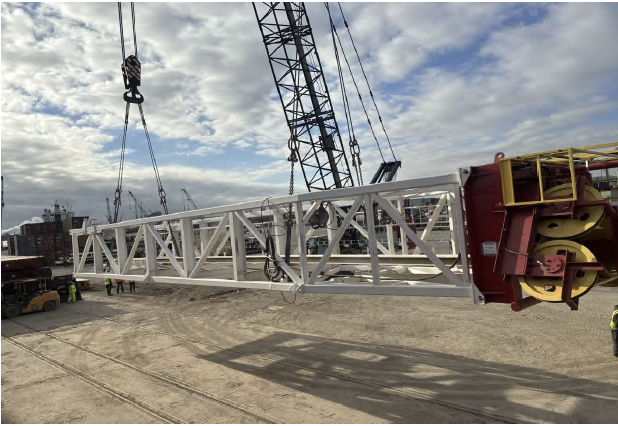
Coordination with the dismantlement crew and facility on component separation, packaging, and preparation for transport. Identification of heavy lift requirements for major components — drawworks, mast sections, substructure, and other large assemblies.
For international rig moves, major components typically require inspection, testing, and certification to API or other applicable standards before export. We coordinate the inspection and certification program — sourcing qualified inspectors, managing the testing schedule, and ensuring certification documentation is complete before components move.
Transportation of rig components from the dismantlement location to the export terminal. Includes permit management, route surveys, heavy lift crane coordination at the facility, and terminal receiving coordination.
Vessel sourcing for rig component freight — flat racks, open tops, RoRo, and multipurpose vessel space depending on component dimensions and weights. Full export documentation, customs clearance coordination, and cargo insurance for the ocean transit.
Coordination with the receiving terminal, in-country transportation providers, and the rig-up crew at the destination location. Sequenced delivery planning to align with the rig-up schedule.
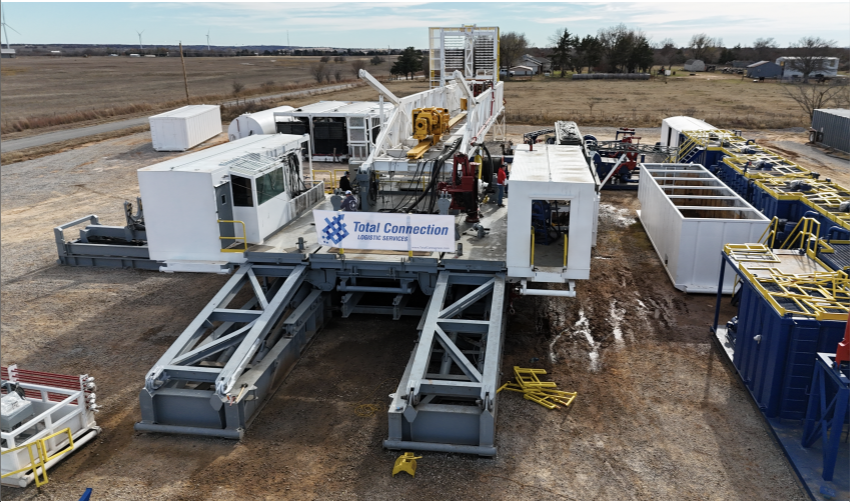
A complete drilling rig refurbishment, dismantlement, and export from Marlow, Oklahoma to Brazil via the Watco terminal at Houston Port.
The scope included full rig refurbishment before export — sourcing components, managing testing and API quality certification, coordinating crane operators for heavy lifts throughout the facility. Then dismantlement, preparation for export, domestic heavy haul to Houston, terminal coordination at Watco, ocean freight booking, export documentation, and international customs coordination for Brazil entry.
Months of preparation. Multiple contractors. Multiple regulatory frameworks — US DOT for domestic transport, US export regulations, Brazilian import requirements. All coordinated through a single point of contact at Total Connection.
Delivered on time. Within budget. Every component certified and accepted at destination.
We tell this story not because it was the hardest thing we've done but because it illustrates what our project cargo operation is actually capable of — and what a rig mobilization program looks like when it's managed by a team that has done it before.
The margin for error in rig mobilization is effectively zero. A component that fails certification at the last minute delays the entire export. A vessel booking that misses the tide window pushes the sailing by days. A customs documentation error at the destination port holds the cargo while the drilling crew stands by at day rate.
These are not hypothetical scenarios. They are the failure modes we've learned to prevent through experience — by building the right lead times into the program, by managing certification in parallel with transportation preparation, by having contingency carrier relationships ready when primary capacity changes.
That institutional knowledge is not something you find in a general freight broker. It comes from having done it before, multiple times, at the full level of complexity.
A full rig mobilization involves dismantling the drilling rig into transportable components, inspecting and certifying major components for transport and destination regulatory acceptance, transporting components by heavy haul truck to the port or next location, arranging ocean freight on specialized vessels for international moves, managing export and import documentation and customs clearance, and coordinating delivery and rig-up logistics at the destination location. The complexity varies significantly based on rig size, condition, destination, and whether refurbishment is required before the move.
Timeline depends on rig size, condition, destination, and whether refurbishment or re-certification is required. A straightforward domestic rig move might be planned and executed in 4 to 8 weeks. An international rig move — particularly one involving refurbishment, component certification, and ocean freight — typically requires 3 to 6 months of planning and execution time from initial scope development to delivery at the destination location. Engaging a logistics provider early in the planning process is the most important factor in keeping the program on schedule.
Requirements vary by destination country and rig type, but common certification requirements for international rig export include API (American Petroleum Institute) standards certification for major mechanical components, pressure testing and certification for pressure-containing equipment, third-party inspection reports for structural components, and country-specific import inspection requirements at destination. Total Connection coordinates the inspection and certification program as part of the overall rig mobilization scope.
Yes — international rig mobilization is one of our core project cargo capabilities. We manage the full international scope including export documentation, US export compliance, ocean freight on specialized vessels, international customs clearance, and in-country logistics coordination at destination. We have executed international rig moves to destinations including Brazil, the Middle East, and other international oil-producing regions.
Yes. Not every rig move involves a complete rig. We handle partial rig moves — specific component relocations, drilling equipment upgrades requiring new component transport, or decommissioned equipment export — with the same level of logistics management as a full mobilization program.
Rig mobilization refers to moving a rig to a new drilling location and preparing it for operations. Rig demobilization refers to moving a rig away from a completed drilling location — either to a storage location, a new drilling location, or for sale or export. The logistics process is similar in both directions though the sequence differs. Total Connection manages both mobilization and demobilization programs.
Rig components have installation dependencies at the destination — some components have to be in place before others can be installed. We work with the rig-up crew and drilling program team at the start of the program to understand the installation sequence, then build the transportation schedule around delivering components in the right order. For international moves where ocean transit times vary by component size and vessel type, this sequencing requires careful planning to avoid components arriving out of order at the destination port.