Full Truckload Shipping — Your Freight, Your Trailer, Direct to Destination
Liquid Bulk Tanker Transport Solutions.
What is Liquid Bulk Tanker Transport?

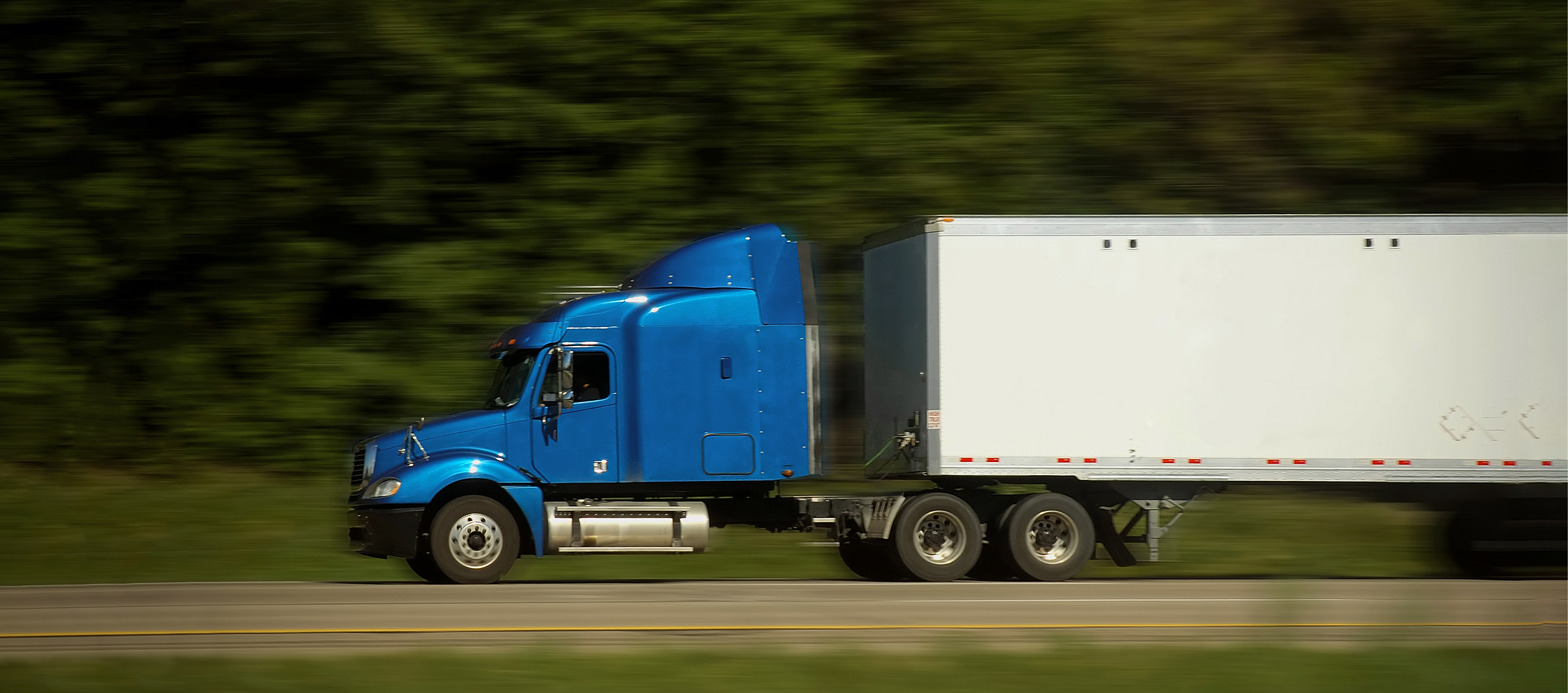
Full truckload (FTL) shipping is a freight service where a shipper's cargo occupies an entire trailer — a standard 53-foot dry van, flatbed, refrigerated, or specialized unit — for direct transportation from origin to destination. FTL is preferable to LTL when freight volume exceeds approximately 10,000 to 15,000 pounds or half a trailer, when dedicated space is required for safety or security, or when transit time and direct delivery are priorities.

Full truckload isn't always the most cost-effective option — but when it's the right fit, it's the right fit by a significant margin.

The economics are simple. Below a certain volume threshold, LTL lets you pay for only the space you use. Above that threshold — typically 10 pallets or 10,000 pounds — the per-pallet LTL cost often exceeds a dedicated FTL rate, especially when you factor in longer transit times, more handling touchpoints, and the freight damage risk that comes with cargo that gets loaded and unloaded multiple times.

Security is the other factor. A sealed trailer that leaves your dock and opens at the destination — with nothing else loaded in between — is a fundamentally different risk profile from LTL freight that gets consolidated, broken down, and handled at multiple terminals. For high-value freight, hazmat products, and cargo where contamination is a concern, FTL isn't just a cost decision — it's the right logistics decision.

FTL equipment types we source

Dry van

The standard workhorse of FTL freight. Enclosed 53-foot trailers for general freight — packaged goods, raw materials, manufactured products, and any cargo that doesn't require temperature control or open deck access. The most available equipment type in the market.

Flatbed

Open deck trailers for freight that can't be enclosed — steel, lumber, construction materials, heavy equipment, and oversized loads. Standard flatbed, step deck, and double drop configurations available depending on height and weight requirements.

Refrigerated (reefer)

Temperature-controlled trailers for food, pharmaceuticals, and temperature-sensitive products. Multi-temperature capability for shipments requiring different zones. Strict temperature monitoring and pre-cooling requirements managed before loading.

Dry van with hazmat

DOT-certified dry van carriers for hazmat-classified packaged goods. Carrier certification, placard requirements, and documentation managed for every hazmat FTL shipment.

Specialized equipment

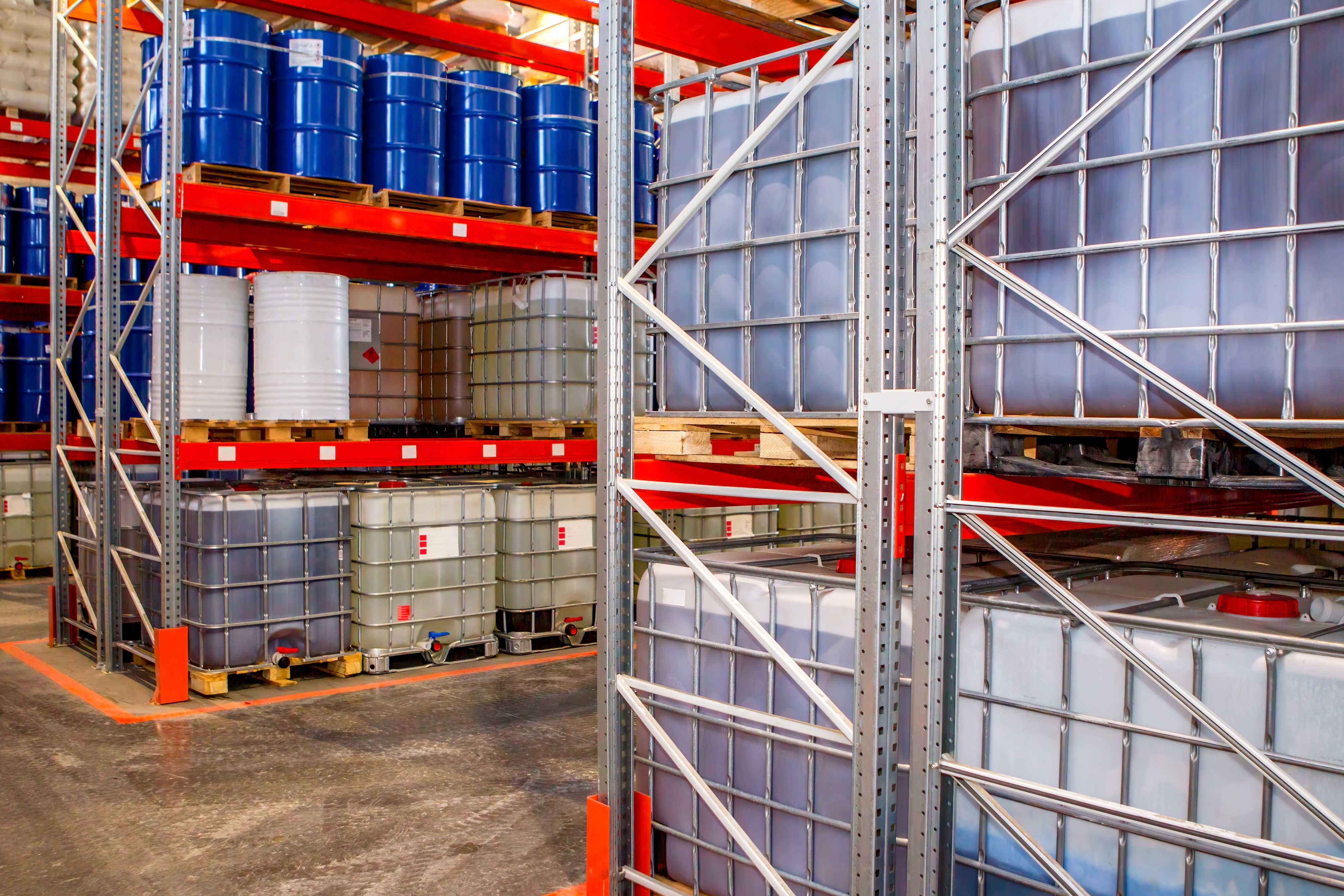
Tankers for liquid bulk, step decks for tall equipment, multi-axle trailers for heavy loads, and other specialized equipment sourced from our network for freight that doesn't fit standard configurations.

Our FTL process

Quote

Submit your freight details — origin, destination, commodity, weight, dimensions, and any special requirements. We come back with a competitive rate from our carrier network — same day for most standard lanes.

Carrier selection

We match your load to the right carrier based on equipment type, lane experience, safety ratings, and — for regulated freight — certification and compliance profile. We don't assign carriers who haven't been through our vetting process.

Dispatch and pickup

Carrier is dispatched with full load information. Pickup appointment confirmed with your facility. Driver arrives prepared — not calling dispatch from the dock to figure out what they're picking up.

Transit monitoring

Active load monitoring throughout transit. Proactive communication on status and any issues. If something changes — a breakdown, a delay, a delivery access issue — you hear from us before you've started asking.

Delivery confirmation

Delivery confirmed with the consignee. POD (proof of delivery) available. Any delivery issues resolved through our team — you don't have to track down the carrier directly.

The cost comparison most shippers miss

When procurement managers compare FTL to LTL rates the comparison usually starts and ends with the freight charge. That's an incomplete analysis.

FTL eliminates the terminal handling at origin and destination that LTL requires — which reduces freight damage exposure significantly. FTL provides direct transit without the additional days LTL adds for terminal processing. FTL gives you a sealed trailer from origin to destination — which matters for regulated freight, high-value cargo, and anything where chain of custody is important.

When you include damage rates, transit time value, and handling risk in the comparison, FTL often wins at a lower volume threshold than the pure rate comparison suggests. Total Connection can run this analysis for your specific freight profile if the FTL versus LTL decision isn't obvious.

Get a Full Truckload Quote
FAQS/

Frequently asked questions

When does FTL make more sense than LTL?

FTL makes more sense than LTL when your shipment exceeds approximately 10,000 to 15,000 pounds or 10 to 12 pallets — at that volume the per-unit LTL cost typically exceeds FTL pricing. FTL is also preferable regardless of volume when your freight is time-sensitive and requires direct transit, when cargo security or contamination risk makes shared trailer space unacceptable, when your freight is hazardous and segregation from other freight is required, or when your cargo has special handling requirements that are easier to manage in a dedicated trailer.

What is the standard size of a full truckload trailer?

The standard FTL trailer is a 53-foot dry van with approximately 2,500 cubic feet of cargo space and a maximum payload of around 45,000 pounds — though practical payload limits vary by state weight restrictions and the trailer's tare weight. Interior dimensions are typically 53 feet long by 8.5 feet wide by 9 feet tall. Flatbed trailers vary in configuration from standard 48-foot to 53-foot units with weight limits determined by axle configurations and state regulations.

How are FTL freight rates determined?

FTL rates are typically quoted on a per-load or per-mile basis depending on the lane and market conditions. Rate factors include origin-destination distance, current carrier capacity and market conditions on the specific lane, fuel surcharges indexed to diesel prices, equipment type required, and any special handling or accessorial requirements. Total Connection quotes all-in FTL rates that include fuel surcharges and any applicable accessorials — so the rate in the quote is the rate on the invoice.

What is detention and how can I avoid it?

Detention is a charge applied when a carrier's driver is held at a pickup or delivery location beyond the free time allowed — typically 2 hours. Detention charges typically run $50 to $75 per hour beyond free time and can add significant cost to a shipment. The most effective way to avoid detention is to have freight ready for loading when the driver arrives and to have receiving staff available for delivery appointments. Total Connection can advise on scheduling practices that minimize detention exposure.

Can you arrange FTL for hazardous materials?

Yes. Our network includes certified hazmat carriers trained to haul DOT-regulated materials — flammable liquids, corrosives, toxic substances, and other regulated commodities. We manage hazmat classification verification, documentation, placarding instructions, and carrier certification for every hazmat FTL load. Hazmat truckload is not a special request for us — it's a standard part of our freight operation.

What is a team driver and when do I need one?

A team driver arrangement puts two drivers in the cab — one driving while the other rests — which allows a truck to run virtually continuously without the mandatory rest stops that limit solo drivers. Team drivers are used when transit time requirements are too tight for a solo driver to meet within Hours of Service regulations. For urgent FTL shipments where you need the fastest possible transit, team driver service is an option we can source. It carries a rate premium — typically 30 to 50 percent above solo driver rates — but when timing is critical the cost is usually justified.

Get A Quote Today - Cargo X Webflow Template