Hazmat Air Freight — IATA Dangerous Goods by Air, Fully Compliant
Liquid Bulk Tanker Transport Solutions.
What is Liquid Bulk Tanker Transport?

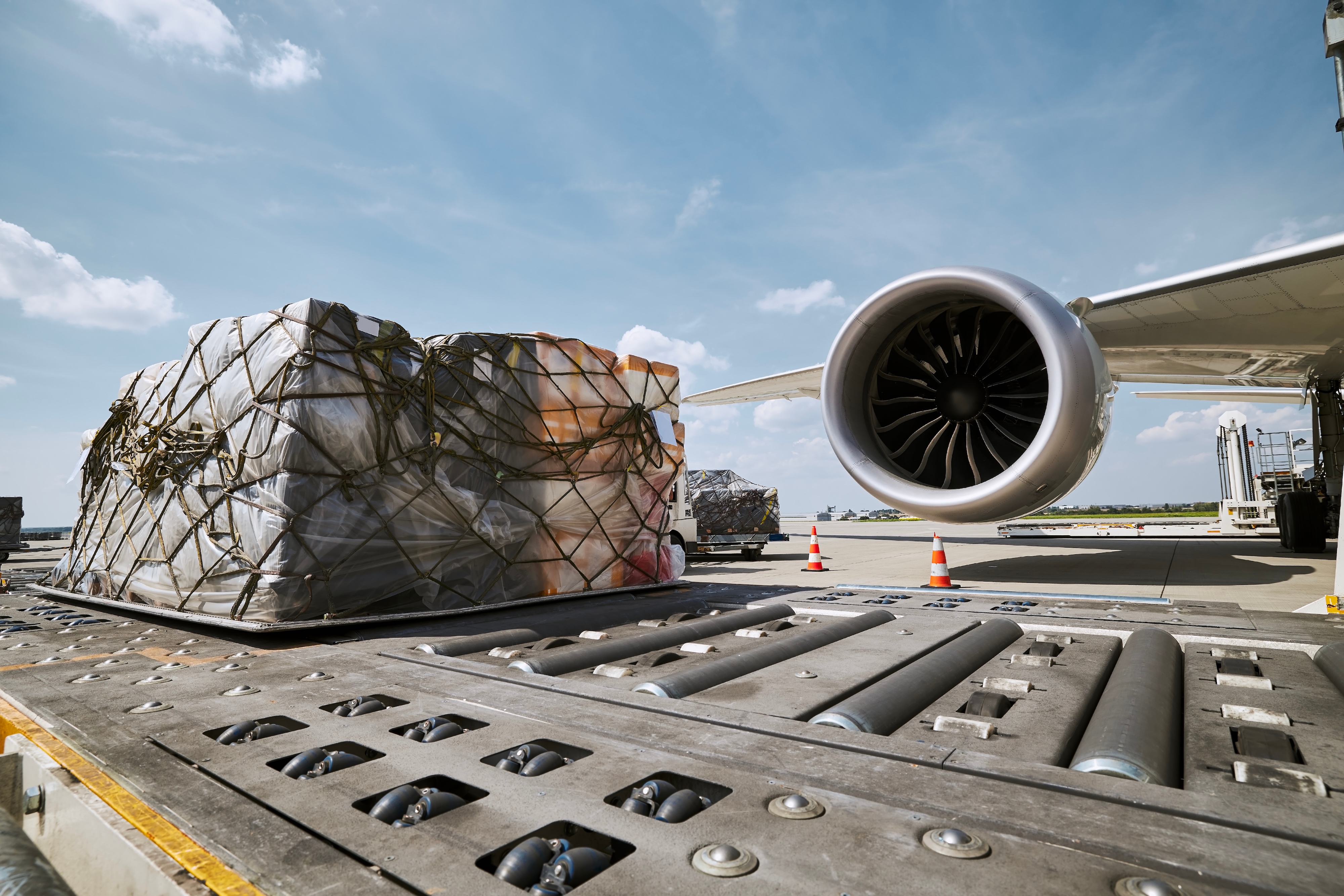
Hazmat air freight is the regulated transportation of dangerous goods by aircraft, governed by the IATA Dangerous Goods Regulations (IATA DGR) — published annually by the International Air Transport Association. IATA DGR is significantly more restrictive than DOT ground transport regulations: many substances that can legally move by road cannot move by air at all, and those that can require specific packaging standards, quantity limits, marking, labeling, and a shipper's declaration signed by a trained and certified dangerous goods signatory.

Airlines take dangerous goods compliance more seriously than any other freight mode. A documentation error that causes a delay on a ground shipment causes a rejection — or worse — on an air shipment. Carriers screen dangerous goods at acceptance and will reject shipments that don't meet IATA DGR requirements exactly. Some airports have additional handling restrictions beyond the IATA baseline.

At the same time the need to move dangerous goods by air is real and common — a chemical shipment that missed its ocean sailing, a pharmaceutical product with a hard delivery deadline, an emergency oilfield chemical delivery that can't wait for ground transport.

Total Connection manages hazmat air freight with the same compliance rigor we apply to every regulated freight category — because our background is in chemical logistics and dangerous goods handling is core to what we do. We manage IATA classification, packaging verification, shipper's declaration preparation, carrier approval, and airport-specific handling requirements as a standard part of every DG air freight shipment.

IATA dangerous goods classifications for air freight

Class 3 — flammable liquids

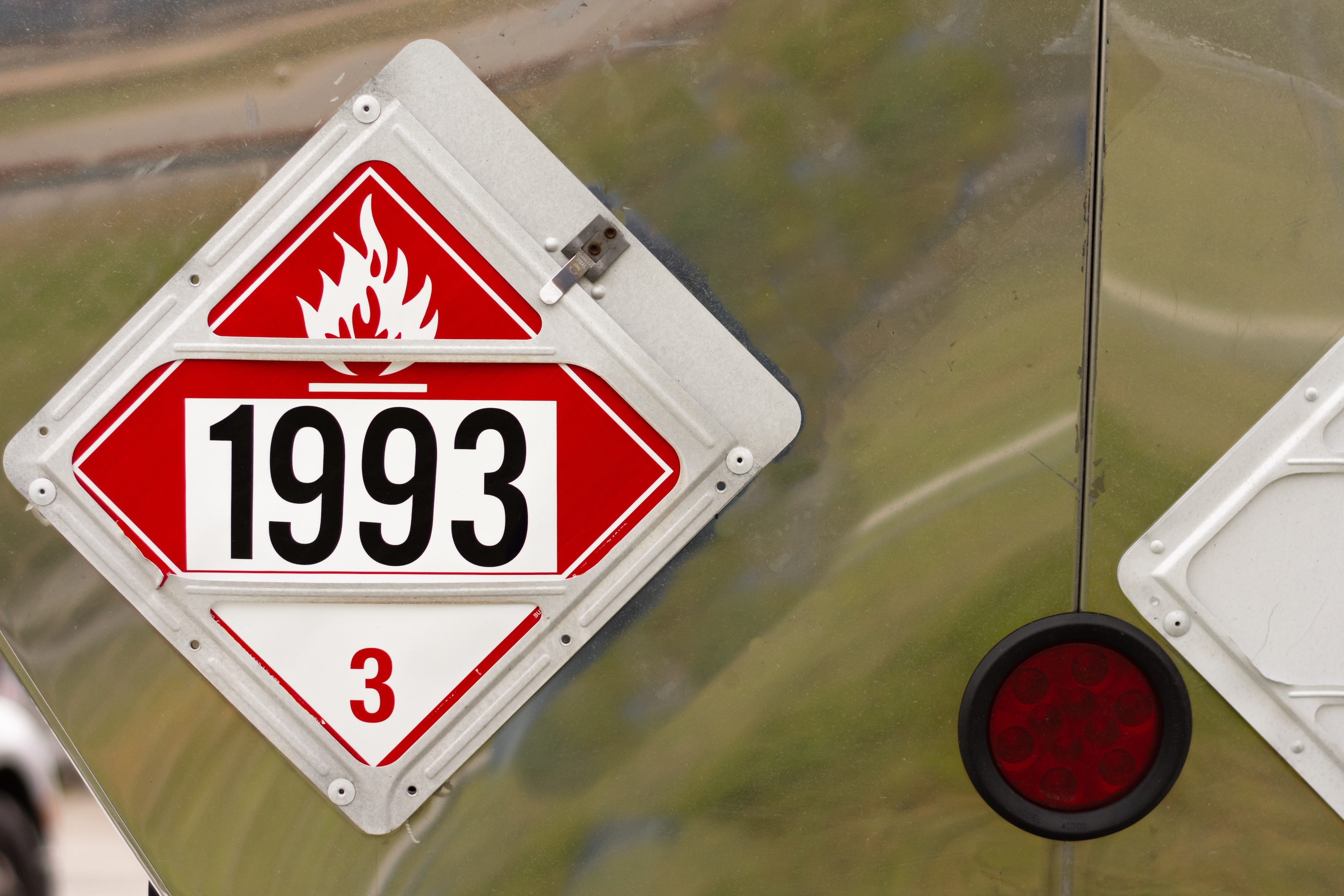
Many flammable liquids can be transported by air in limited quantities under specific packaging and quantity restrictions. Some flammable liquids are forbidden for air transport entirely. Classification under IATA DGR determines which packing instructions apply and what quantity limits are in effect. Common Class 3 air freight products include certain solvents, fuel samples, and chemical intermediates in limited quantities.

Class 6.1 — toxic substances

Toxic substances by air require specific packing instructions, quantity limits, and in some cases toxic inhalation hazard (TIH) designations that impose additional restrictions. Some Class 6.1 materials are forbidden for air transport. IATA classification review is essential before assuming any toxic substance can move by air.

Class 8 — corrosives

Corrosive substances including acids and bases can be transported by air under specific packing instructions with quantity limitations. Packaging must meet IATA performance standards — not all ground-transport-approved packaging meets air transport requirements. Inner and outer packaging specifications are strictly defined.

Class 9 — miscellaneous dangerous goods

Includes lithium batteries — one of the most heavily regulated and frequently encountered dangerous goods categories in air freight. Lithium battery shipments require specific state of charge limitations, packaging requirements, and in some configurations are restricted to cargo aircraft only.

Forbidden dangerous goods

A significant number of substances are forbidden for air transport under any circumstances — including certain flammable gases, explosives, and highly toxic materials. IATA DGR Section 2.3 lists forbidden dangerous goods. Total Connection reviews every dangerous goods air freight inquiry against the forbidden list before proceeding.

Our IATA dangerous goods air freight process

Classification and feasibility review

We review the product SDS, UN number, IATA hazard class, and packing group to confirm the material can be transported by air and identify the applicable packing instruction under IATA DGR. If the material is forbidden for air transport we tell you immediately and discuss alternatives.

Packaging verification

IATA packing instructions specify exact packaging requirements — inner packaging types and quantities, outer packaging specifications, cushioning, absorbent material for liquids, and performance test certifications for the packaging. We verify that your packaging meets the applicable packing instruction before the shipment is tendered to the carrier.

Shipper's declaration preparation

The shipper's declaration for dangerous goods is the most critical document in hazmat air freight. It must be completed correctly in every field — UN number, proper shipping name, IATA hazard class, packing group, quantity, net quantity per inner packaging, packing instruction reference, authorization where required, and emergency contact. It must be signed by a trained and current dangerous goods signatory. Total Connection prepares the shipper's declaration and has it reviewed by a certified DG signatory before tender.

Carrier approval and booking

Not all carriers accept all dangerous goods — carrier acceptance policies vary beyond the IATA DGR minimum standards. We select carriers with acceptance policies compatible with your specific commodity and confirm acceptance before booking.

Airport handling coordination

Some airports have specific dangerous goods handling requirements beyond the IATA baseline. We identify and coordinate airport-specific requirements at both origin and destination.

Air is the most regulated mode for dangerous goods — and the least forgiving of mistakes

Most shippers who have had a dangerous goods air freight shipment rejected at the airport experienced one of three failures: wrong packaging for the packing instruction, incomplete or incorrect shipper's declaration, or a carrier that didn't accept the specific commodity. All three are preventable with proper pre-shipment compliance review.

When those same shippers come to Total Connection, the compliance review happens before the cargo reaches the airport — not at the acceptance counter. Classification confirmed. Packaging verified. Declaration prepared and reviewed by a certified signatory. Carrier selected and acceptance confirmed. By the time the cargo reaches the airport, the compliance work is done.

That's not a special service we offer for premium customers. It's how we handle every dangerous goods air freight shipment.

Need to Move Dangerous Goods by Air?
FAQS/

Frequently asked questions

What is IATA DGR and how is it different from DOT hazmat regulations?

IATA DGR (Dangerous Goods Regulations) is the annual publication by the International Air Transport Association that governs the transport of dangerous goods by air. It is based on the ICAO Technical Instructions but includes additional carrier restrictions. DOT hazmat regulations (49 CFR) govern domestic US ground and air transport. The two frameworks differ significantly in quantity limits, packaging requirements, and which substances are permitted at all. A substance that moves legally by ground under DOT regulations may be forbidden for air transport under IATA DGR — or may require different packaging and documentation.

Can all hazardous materials be transported by air?

No. IATA DGR Section 2.3 lists substances that are forbidden for air transport under any circumstances — including certain flammable gases, explosives, and highly toxic materials. Additional substances are forbidden on passenger aircraft but permitted on cargo aircraft only. And for those materials that are permitted by air, quantity limits are typically much lower than ground transport limits. Total Connection reviews the specific substance against IATA DGR before any dangerous goods air freight booking to confirm air transport is feasible.

What is a shipper's declaration for dangerous goods and who signs it?

A shipper's declaration for dangerous goods (DGD) is the document that certifies the dangerous goods are properly classified, packaged, marked, labeled, and in proper condition for air transport. It must be completed in a specific format and signed by a trained dangerous goods signatory who has completed current IATA DGR training — valid for 2 years. The shipper is legally responsible for the accuracy of the declaration. Total Connection prepares the declaration and has it reviewed by a trained DG signatory as part of our standard hazmat air freight process.

What packaging is required for dangerous goods by air?

IATA DGR packing instructions specify exact packaging requirements for each UN number and packing group — including inner packaging types and maximum quantities, outer packaging specifications, cushioning requirements, absorbent material for liquids, and UN performance test certification requirements for the packaging used. Air transport packaging requirements are more stringent than ground transport requirements for most dangerous goods. Total Connection verifies packaging compliance against the applicable packing instruction before every DG air freight shipment.

What happens if a dangerous goods air shipment is rejected at the airport?

Rejection at the airport — typically because of a documentation error, packaging non-compliance, or carrier acceptance issue — results in the shipment being returned to the shipper or held at the airport. This creates significant delays and costs beyond the original freight charge. Prevention through thorough pre-shipment compliance review is far less expensive than dealing with a rejection. Total Connection's compliance process is specifically designed to catch issues before the cargo reaches the airport.

Are there quantity limits for dangerous goods by air?

Yes — IATA DGR specifies maximum quantity limits per inner packaging, per outer packaging, and in some cases per aircraft. These limits are significantly lower than DOT ground transport limits for most dangerous goods. For some materials the per-aircraft quantity limit may restrict how much can move on a single flight, requiring multiple flights or alternative routing. Total Connection assesses quantity limits at the time of classification review.

What is the difference between passenger aircraft and cargo aircraft for dangerous goods?

Many dangerous goods are restricted to cargo aircraft only — meaning they cannot be transported on flights that also carry passengers. This restriction is indicated in IATA DGR as "Cargo Aircraft Only" (CAO). CAO restrictions apply to substances with higher risk profiles where the additional distance between the cargo hold and passengers on a freighter provides a meaningful safety margin. When your dangerous goods are CAO-restricted, routing must be on dedicated cargo aircraft — which affects both carrier selection and transit time on some lanes.

Get A Quote Today - Cargo X Webflow Template