
Hazmat truckload freight
Total Connection arranges hazmat truckload freight for packaged chemicals in drums, totes and IBCs across Classes 3, 4, 5, 6.1, 8 and 9: carriers with active hazmat registration and endorsed drivers, insurance minimums for the class, and shipping papers, placards and emergency response information prepared before dispatch. US, Canada and Mexico.
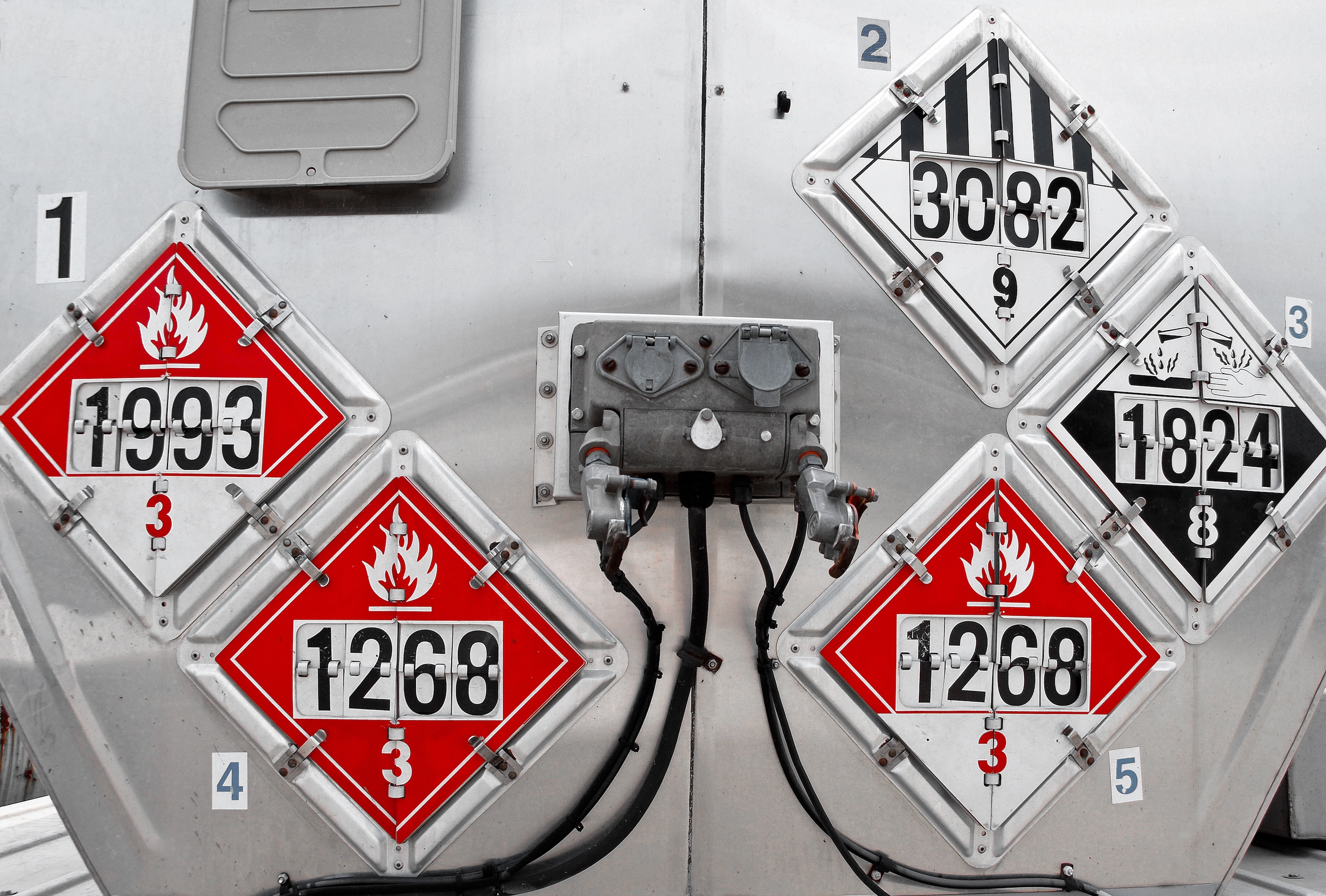
What hazmat truckload involves
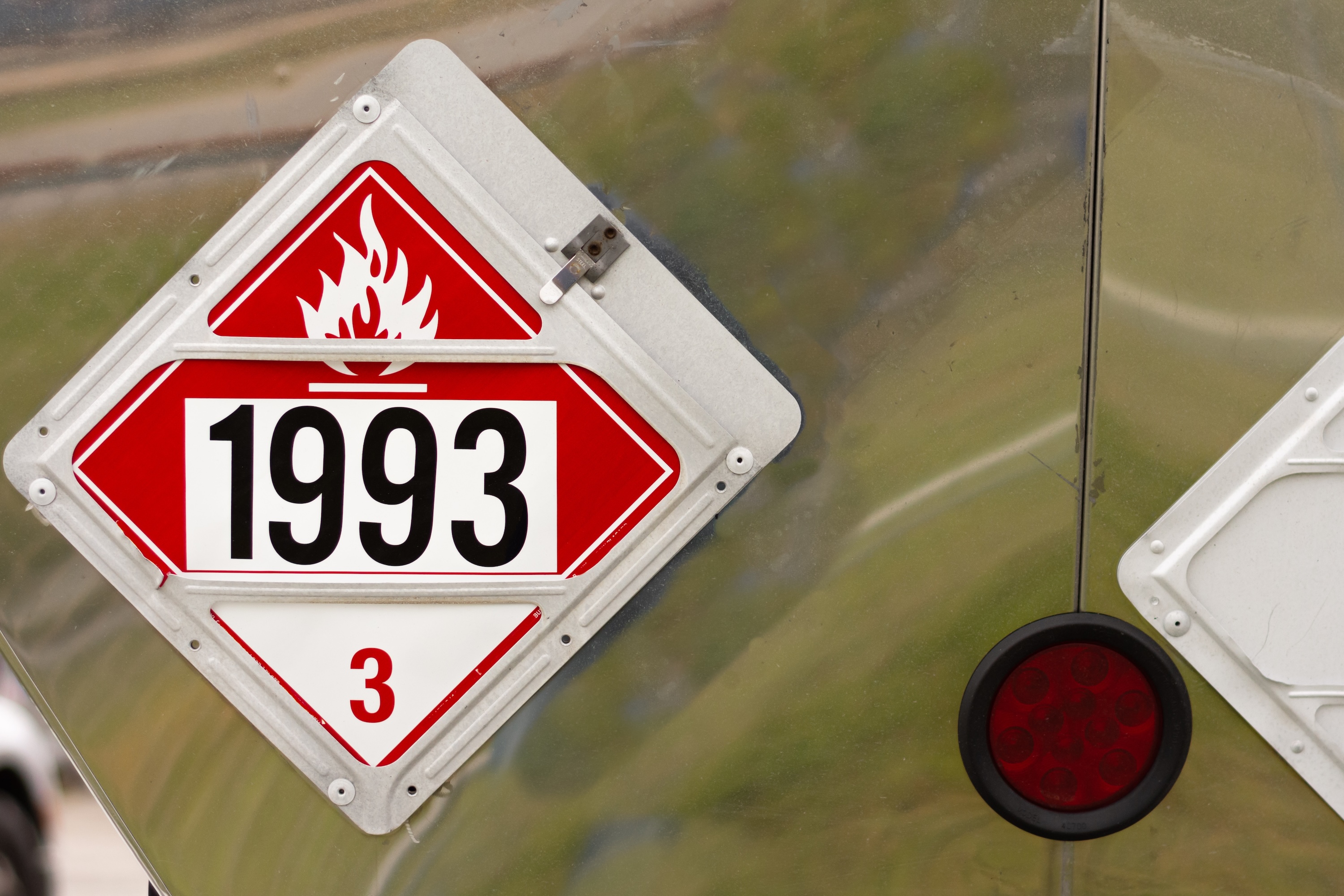
A hazmat truckload is a dedicated trailer of regulated freight moving under 49 CFR: the carrier needs hazmat registration and the right insurance, the driver needs a hazmat endorsement, and the shipping papers, placards and emergency information have to match the product on board.
Total Connection has run this work for chemical shippers since 1995, with a hazmat carrier network screened separately from general freight.
Classes and packaging we move
Class 3 flammable liquids
Solvents, resins and coatings in drums and totes.
Class 8 corrosives
Acids and caustics in IBCs and drums with compatible packaging.
Class 6.1 and 9
Toxic products, environmentally hazardous substances and lithium batteries.
Class 4 and 5
Flammable solids, oxidizers and organic peroxides, including temperature-controlled peroxides on reefer equipment.
What is checked before every hazmat truckload
- UN number, class, packing group and proper shipping name from the SDS
- Carrier hazmat registration, insurance minimums and driver endorsement
- Placards, labels and markings for the load
- Shipping papers and emergency response information in the cab
- Segregation from incompatible classes on mixed loads
Hazmat truckload FAQ
Which hazmat classes can you move by truckload?
Classes 3, 4, 5, 6.1, 8 and 9 in packaged form, plus bulk liquids in tankers through our liquid bulk service.
Do you prepare the shipping papers?
Yes. Papers, placard instructions and emergency response information are prepared from the SDS and checked against the bill of lading.
What insurance do hazmat carriers carry?
Minimums vary by class; we confirm the carrier's cargo, auto liability and, where required, pollution coverage before tender, backed by our $5 million general liability.
Can hazmat truckloads cross the border?
Yes. TDG documentation for Canada and NOM requirements for Mexico are coordinated with the customs broker.
Quote a hazmat truckload
Send the product, origin, destination and timing. 732-817-0401 or quotes@totalconnection.com.
Got it. A dispatcher will reach out from quotes@totalconnection.com or 732-817-0401 to get the shipment details and quote it. If the load is moving today, call us and mention you just sent the form.
The form did not go through. Email quotes@totalconnection.com or call 732-817-0401 and we will quote it by phone.