Industrial Equipment Shipping — Heavy Machinery Moved Right, Every Time
Liquid Bulk Tanker Transport Solutions.
What is Liquid Bulk Tanker Transport?

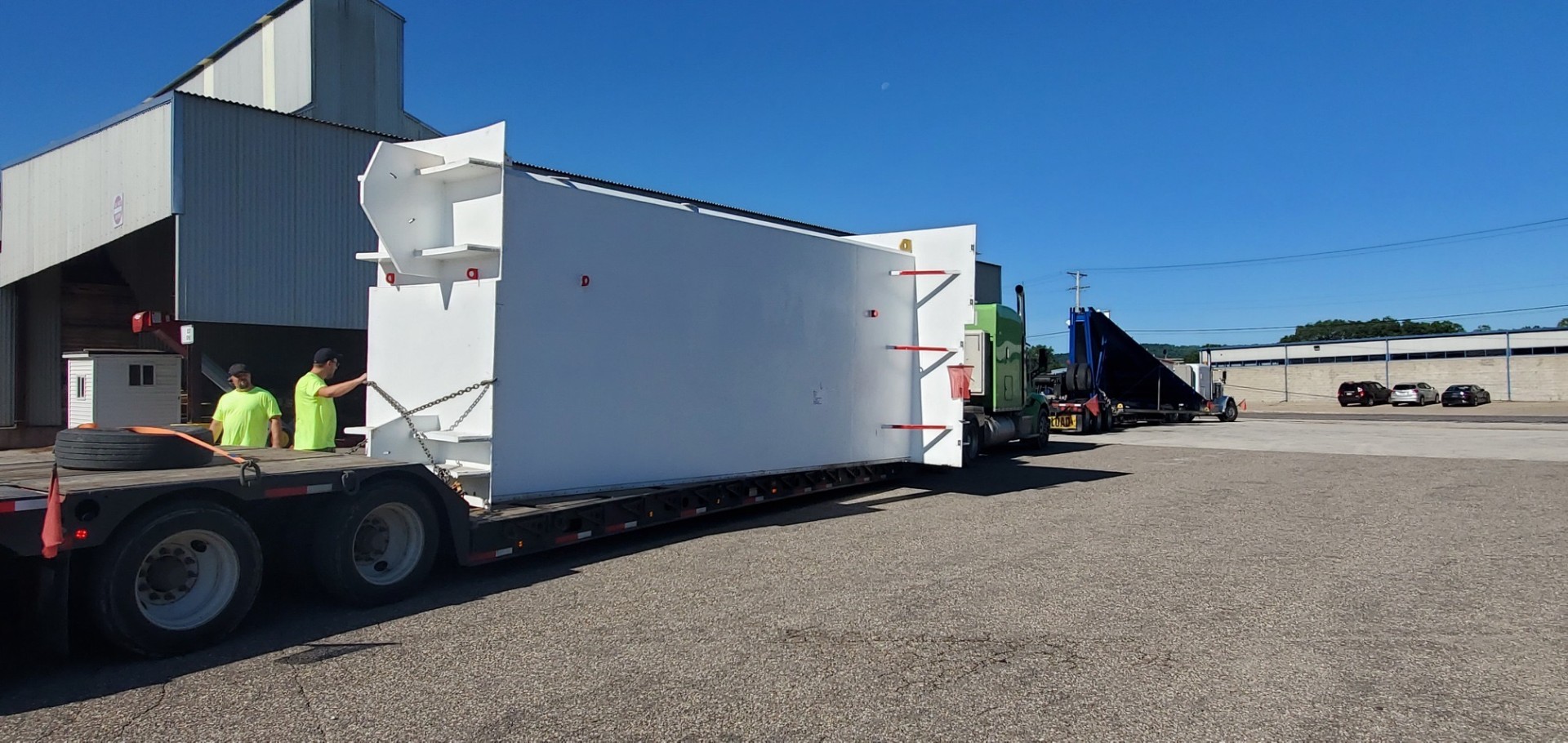
Industrial equipment shipping is the transportation of heavy machinery, manufacturing equipment, industrial components, and other large or heavy industrial assets — domestically by specialized heavy haul trucking or internationally by ocean freight on flat rack, open top, RoRo, or heavy lift vessels. It requires specialized equipment, permit management for oversized loads, careful rigging and securing, and logistics coordination that accounts for the equipment's dimensions, weight, fragility, and installation timeline at the destination.

A CNC machining center. A large industrial press. A turbine generator. A chemical reactor. These are assets worth hundreds of thousands or millions of dollars, with complex rigging requirements, installation schedules they have to arrive on time for, and no tolerance for damage in transit.

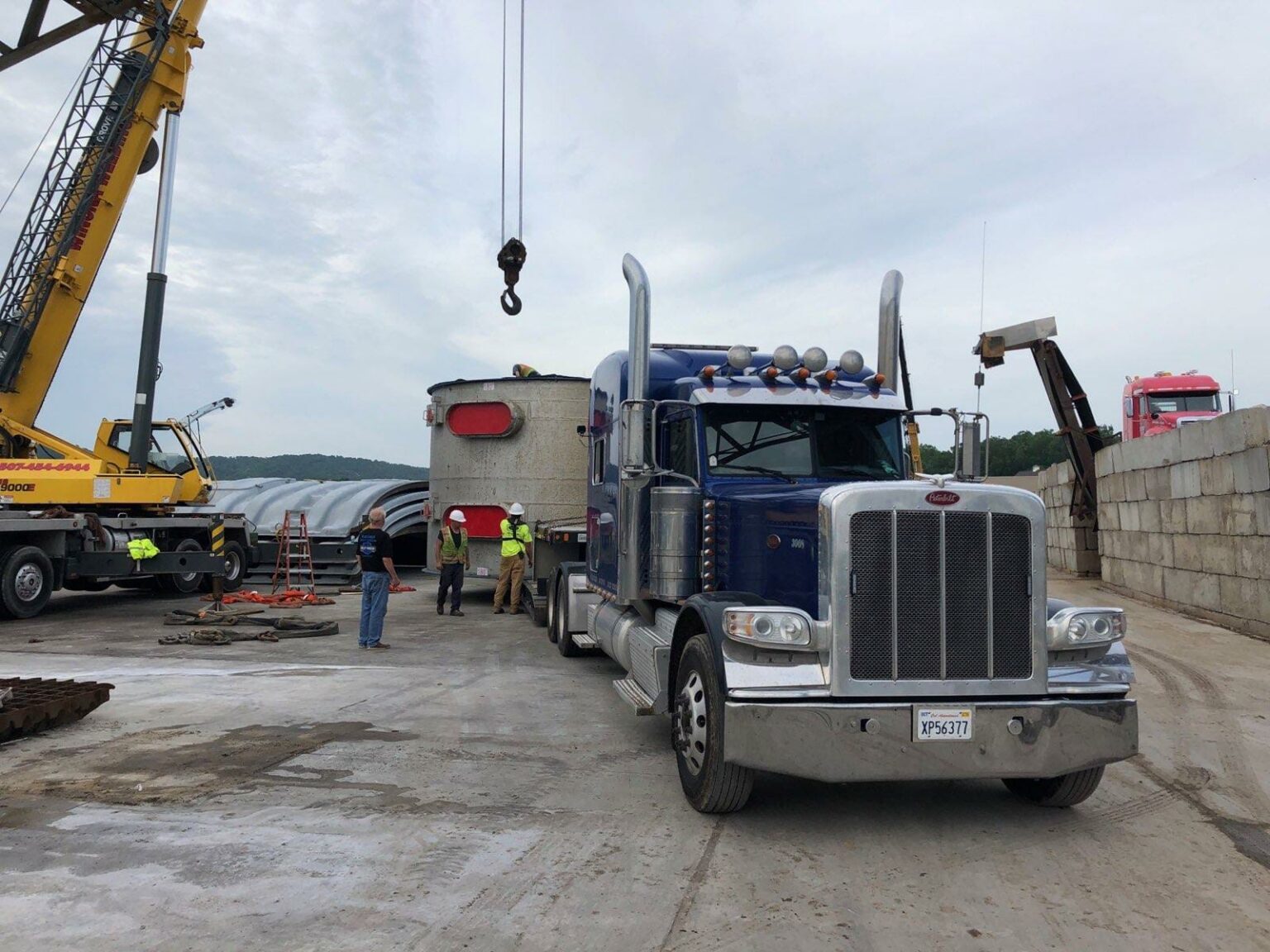
Moving them requires more than a truck and a driver. It requires the right trailer for the dimensions and weight. Proper rigging and securing engineered for the specific machine. Permits for every state the load crosses. Coordinated crane services at origin and destination. And at the international level, proper ocean freight packaging, stowage engineering, and cargo insurance for the transit.

Total Connection manages the full scope of industrial equipment shipping — domestic and international — under one point of contact. We've moved manufacturing equipment between facilities, relocated production lines across international borders, and shipped large industrial components from US manufacturers to global destinations.

Types of industrial equipment we ship

Manufacturing and production machinery

CNC machines, press brakes, stamping presses, injection molding machines, industrial lathes, machining centers, and other large manufacturing equipment requiring specialized trailers and rigging for safe transport.

Chemical and process equipment

Reactors, pressure vessels, heat exchangers, distillation columns, storage tanks, and other chemical process equipment — domestic and international. Coordinated with plant shutdown and installation schedules.

Power generation equipment

Turbines, generators, transformers, and associated power generation components. Often overweight and requiring multi-axle trailer solutions and specialized securing for the transit.

Mining and minerals processing equipment

Crushers, mills, screens, conveyors, and other large mining equipment for domestic relocations and international export to mining operations globally.

Construction and infrastructure equipment

Large construction equipment — cranes, excavators, pile drivers, and similar — for domestic relocation and international export via RoRo or flat rack ocean freight.

Our industrial equipment shipping process

Equipment assessment

We review equipment dimensions, weight, center of gravity, lifting points, fragility, and any special handling requirements — before selecting equipment and developing the transport plan. This step is not optional. Skipping it is how equipment gets damaged in transit.

Equipment selection and rigging plan

Trailer selection, blocking and bracing specifications, crane requirements at origin and destination, and securing plan — all developed for the specific equipment being moved. We don't use a generic securing plan and hope it works. We engineer it for your machine.

Permit management

For domestic oversized or overweight equipment we manage all state permits, route surveys, and escort vehicle coordination. Every state the load crosses, every permit required — handled before the truck rolls.

Packaging and ocean freight preparation

For international shipments we manage ocean freight packaging, crating where required, load and stowage engineering for the vessel, and cargo insurance. Equipment that arrives at a destination port damaged because it wasn't properly prepared for the ocean transit is an expensive lesson. We prevent it on the front end.

Transit monitoring and delivery coordination

Real-time monitoring throughout transit, proactive communication on status, and delivery coordination with the receiving facility to ensure cranes and installation crews are ready when the equipment arrives. The last thing you want is a million-dollar machine sitting at a loading dock because the installation crew wasn't notified of the delivery time.

What high-value industrial equipment shipping actually requires

The single biggest mistake companies make with industrial equipment shipping is treating it like standard freight — booking a flatbed, hoping the driver knows what to do, and figuring out the rest as it comes up.

That approach works until it doesn't. And when it doesn't — a machine tipped off a trailer, a crane that wasn't arranged at the destination, a permit that wasn't pulled for an overwidth load stopped by a state trooper — the cost of the mistake is orders of magnitude higher than the cost of doing it right from the start.

Total Connection's approach is to over-prepare on the front end so there are no surprises on the move day. The equipment assessment, the rigging plan, the permit management, the delivery coordination — all of this happens before the truck shows up, not during the move.

Need to Move Industrial Equipment?
FAQS/

Frequently asked questions

How do I prepare large industrial machinery for shipping?

Preparation steps vary by equipment type but generally include draining all fluids, disconnecting and securing moving parts, protecting exposed surfaces and precision components, documenting the equipment condition before transport, and identifying lift points for rigging. For international ocean freight additional packaging or crating may be required to protect equipment during the ocean transit. Total Connection advises on preparation requirements specific to your equipment type before the move.

What is the difference between shipping industrial equipment domestically vs. internationally?

Domestic industrial equipment shipping primarily involves specialized heavy haul trucking with permits and route planning for oversized loads. International shipping adds ocean freight on specialized vessel equipment, export documentation and customs clearance, packaging requirements for the ocean transit, marine cargo insurance, and in-country logistics at the destination. Many industrial equipment moves involve both domestic legs — trucking to the export port and trucking from the import port to the final destination — combined with an international ocean leg. Total Connection manages the full multi-modal scope.

How is industrial equipment secured on a flatbed or specialized trailer?

Securing methods depend on the equipment's weight, dimensions, and structure. Common securing methods include chains and binders attached to designated tie-down points, blocking and bracing to prevent lateral movement, and custom blocking structures built to the equipment's specific footprint. For very heavy or irregularly shaped equipment a rigging engineer may specify the securing plan to ensure load stability throughout the transit. Total Connection coordinates securing plans that comply with DOT securement regulations and carrier requirements.

What cargo insurance is available for high-value industrial equipment?

Marine cargo insurance for high-value industrial equipment provides all-risk coverage for the ocean transit and typically the inland portions of the move as well. Coverage is based on the declared value of the equipment and the specific risks of the transit route. For very high-value assets we work with cargo insurers experienced in heavy and project cargo risks to ensure coverage terms are appropriate for the specific equipment and move. We recommend discussing insurance requirements at the time of initial planning for any significant industrial equipment shipment.

Can you ship industrial equipment to international locations with limited port infrastructure?

Yes — with appropriate routing and vessel selection. Destinations with limited port infrastructure may require alternative discharge ports with better crane capacity or deeper drafts, combined with inland transportation from the alternative port to the final destination. In some cases RoRo solutions using ramp discharge at less-equipped ports are more practical than crane-intensive LoLo solutions. We assess destination port capabilities as part of the routing study for every international industrial equipment move.

How far in advance should I plan an industrial equipment move?

For domestic heavy haul moves 2 to 4 weeks of lead time is typically sufficient for most equipment types. For international industrial equipment moves — particularly those requiring ocean freight on specialized vessels, export documentation, and destination country import coordination — 6 to 12 weeks of lead time is more appropriate. For very large or complex equipment requiring engineering input, cargo surveys, or custom crating, allow additional time. The earlier you engage us the more options we have for routing, vessel selection, and cost optimization.

Do you handle installation coordination at the destination?

We coordinate delivery timing and logistics to the point of final placement — including arranging crane services at the destination facility if required, coordinating with the installation crew on delivery timing, and managing any last-mile transport from the port or terminal to the installation site. We don't manage the mechanical installation itself but we make sure the equipment arrives in the right condition, at the right time, with the right equipment available to receive it.

Get A Quote Today - Cargo X Webflow Template