
International air freight forwarding
Total Connection arranges international air freight for chemical and industrial shippers, airport to airport or door to door: routing and booking, air waybill and export filings, IATA dangerous goods handling, customs coordination at destination and final delivery, with transit typically one to five days depending on lane.
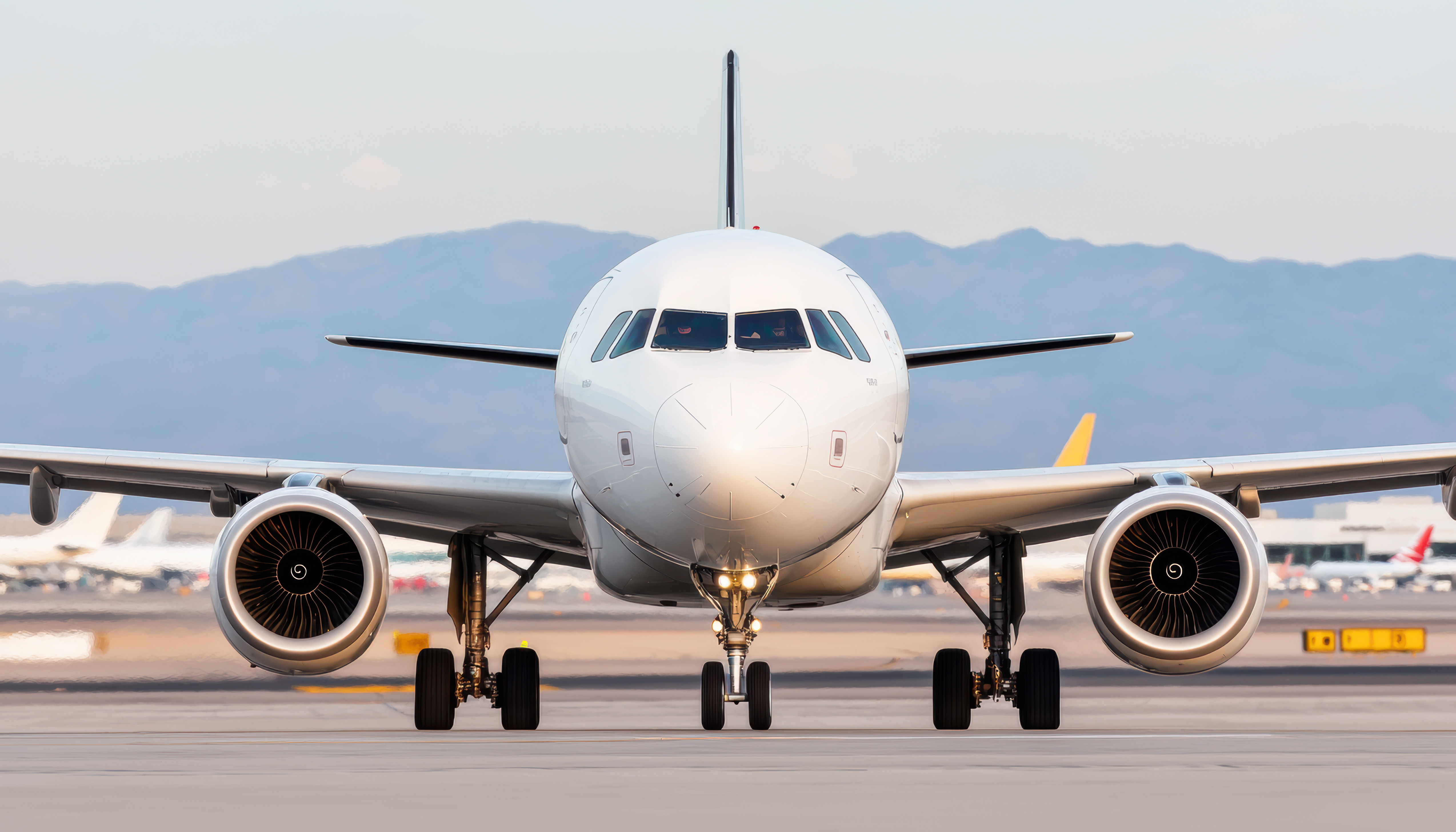
What international air freight involves
An international air shipment combines the flight with export and import compliance: the air waybill, AES filing, commercial documents, any dangerous goods declaration and the customs entry at destination. Delays usually come from documents, not aircraft.
Total Connection books the routing, prepares and checks the documents and coordinates with the destination customs broker so the shipment clears on arrival.
Service options
Airport to airport
Booked and documented to the destination airport for the consignee's broker to clear.
Door to door
Pickup, export clearance, flight, import clearance and delivery managed end to end.
Consolidated and direct
Consolidations for cost, direct flights for speed, quoted by transit time.
Dangerous goods
IATA classification, packaging check and shipper's declaration for permitted classes.
Documents we prepare or coordinate
- Air waybill and booking confirmation
- Commercial invoice, packing list and export filings
- Shipper's declaration for dangerous goods where applicable
- Import entry coordination with the destination broker
- Proof of delivery and document pack
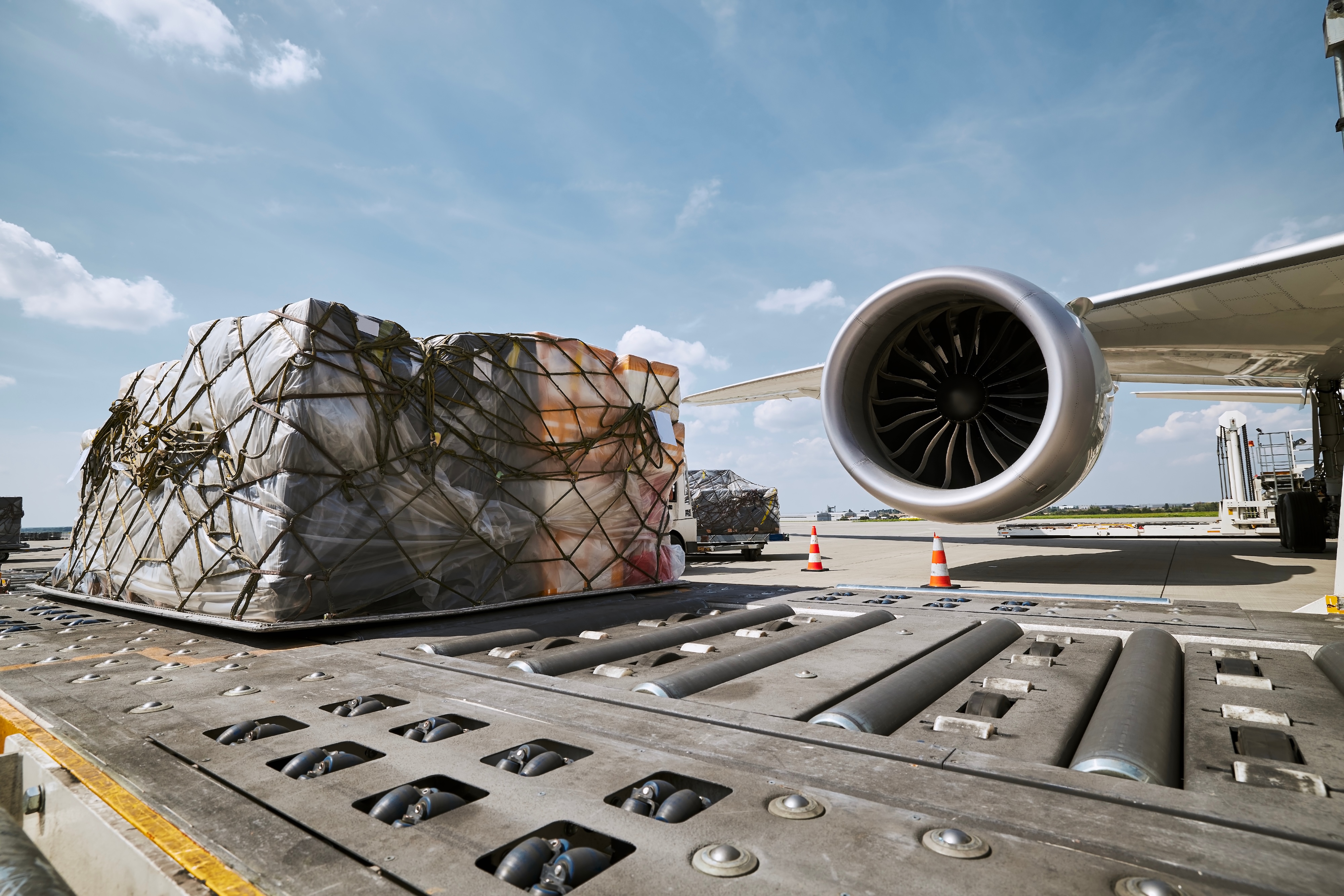
International air freight FAQ
How long does international air freight take?
Typically one to five days door to door depending on the lane, flight frequency and customs at destination.
What are Incoterms and why do they matter?
They define which party pays for and controls each leg. We quote to your Incoterm and coordinate the legs you are responsible for.
Can you clear customs at destination?
We coordinate the entry with a licensed broker at destination, or with your consignee's broker, and track the release.
Do you ship hazmat internationally by air?
Yes, for classes IATA permits, with the shipper's declaration prepared and carrier and destination acceptance confirmed.
Quote an international air shipment
Send the product, origin, destination and timing. 732-817-0401 or quotes@totalconnection.com.
Got it. A dispatcher will reach out from quotes@totalconnection.com or 732-817-0401 to get the shipment details and quote it. If the load is moving today, call us and mention you just sent the form.
The form did not go through. Email quotes@totalconnection.com or call 732-817-0401 and we will quote it by phone.