
LTL freight for chemical and industrial shippers
Total Connection arranges less than truckload freight for chemical and industrial shippers: palletized shipments of one to about ten pallets moved on shared trailers through carrier terminals, class-rated and quoted with the NMFC class, density and accessorials confirmed, and hazmat tendered only to carriers approved for the class.
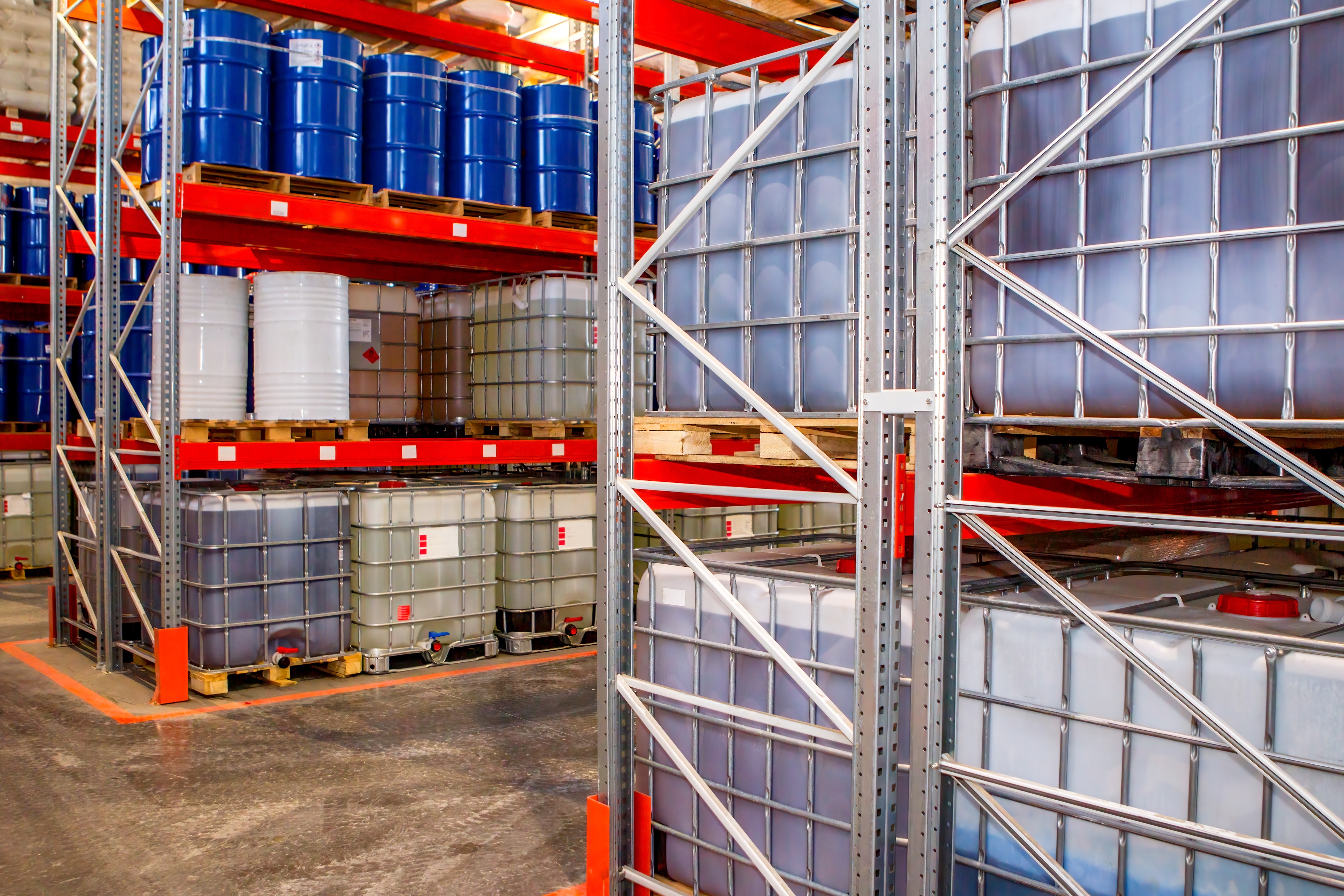
What LTL freight involves
LTL shipments share trailer space with other shippers' freight and move through the carrier's terminal network. Price depends on freight class, weight, distance and accessorials such as liftgate, residential or limited-access delivery.
Total Connection confirms the class and density before quoting so the invoice matches the quote, and routes hazmat only through carriers approved for the product.
What ships well by LTL
- Drummed and toted chemicals in small quantities, hazmat and non-hazmat
- Packaged raw materials, additives and samples
- Machine parts, tooling and equipment components on pallets or in crates
- Finished goods and packaging to distributors and customers
Getting the LTL price right
Freight class
NMFC class from density, handling, stowability and liability, confirmed before the quote.
Accurate dimensions
Length, width, height and weight per pallet, since carriers reweigh and reclassify.
Accessorials
Liftgate, inside delivery, appointment and limited-access fees quoted upfront.
Hazmat
UN number and class checked against the carrier's accepted list, papers and labels prepared.
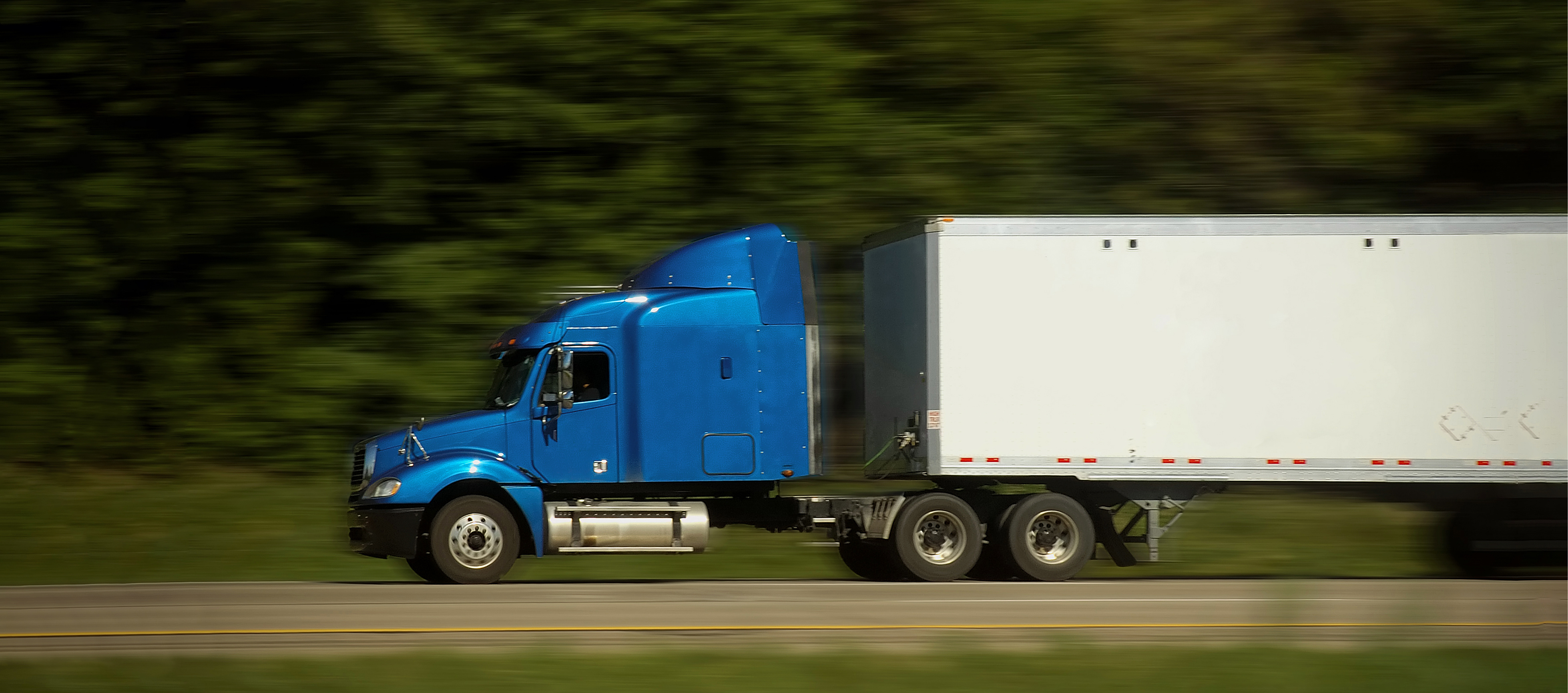
LTL freight FAQ
What is freight class?
A rating from 50 to 500 under the NMFC that reflects density, handling, stowability and liability. Lower classes cost less per pound.
Can I ship hazmat LTL?
Yes, for classes and quantities the carrier accepts. Some products must move truckload, which we confirm from the SDS.
How long does LTL take?
Typically one to five business days depending on distance and the carrier's terminal network, longer for remote destinations.
Why does my LTL invoice sometimes differ from the quote?
Carriers reweigh and re-measure freight. Accurate dimensions, weight and class at booking keep the invoice at the quoted amount.
Quote an LTL shipment
Send the product, origin, destination and timing. 732-817-0401 or quotes@totalconnection.com.
Got it. A dispatcher will reach out from quotes@totalconnection.com or 732-817-0401 to get the shipment details and quote it. If the load is moving today, call us and mention you just sent the form.
The form did not go through. Email quotes@totalconnection.com or call 732-817-0401 and we will quote it by phone.