Plant Relocation & Reconstruction Logistics — The Most Complex Logistics Project You'll Ever Manage, Done Right
Liquid Bulk Tanker Transport Solutions.
What is Liquid Bulk Tanker Transport?

Plant relocation logistics is the end-to-end management of moving an industrial facility — including decommissioning and dismantlement of equipment at the origin site, transportation of components domestically or internationally, sequenced delivery to the reconstruction site aligned with the installation schedule, and coordination with the EPC contractor and construction team on delivery timing and placement. It is one of the most logistically complex projects an industrial company undertakes, requiring simultaneous management of multiple freight modes, installation scheduling dependencies, international customs, and multi-contractor coordination.

Moving a piece of equipment is a logistics project. Moving an entire plant — or a significant portion of one — is a program that touches every function in your organization and every logistics discipline simultaneously.

The decommissioning has to be sequenced to minimize production disruption. The dismantlement has to produce components in the right sequence for transportation. Transportation has to be coordinated to the reconstruction schedule — the wrong component arriving before the installation crew is ready to receive it creates storage problems. The wrong component arriving after the crew is ready creates standby costs.

For international plant relocations, add export documentation, ocean freight scheduling, international customs clearance, and in-country logistics to the coordination challenge. And every delay in any one of these pieces has a cost that goes far beyond the freight charge.

Total Connection manages plant relocation and reconstruction logistics as a single integrated program. We work with your engineering team, your EPC contractor, your facility management, and your installation crew to build a logistics program that serves the reconstruction schedule — not one that creates problems for it.

Our plant relocation and reconstruction logistics scope

Decommissioning logistics planning

Working with your facility and EPC teams to develop a decommissioning sequence that produces components ready for transport in the right order and condition — minimizing production disruption at the origin site and avoiding storage bottlenecks at the destination.

Component transportation — domestic

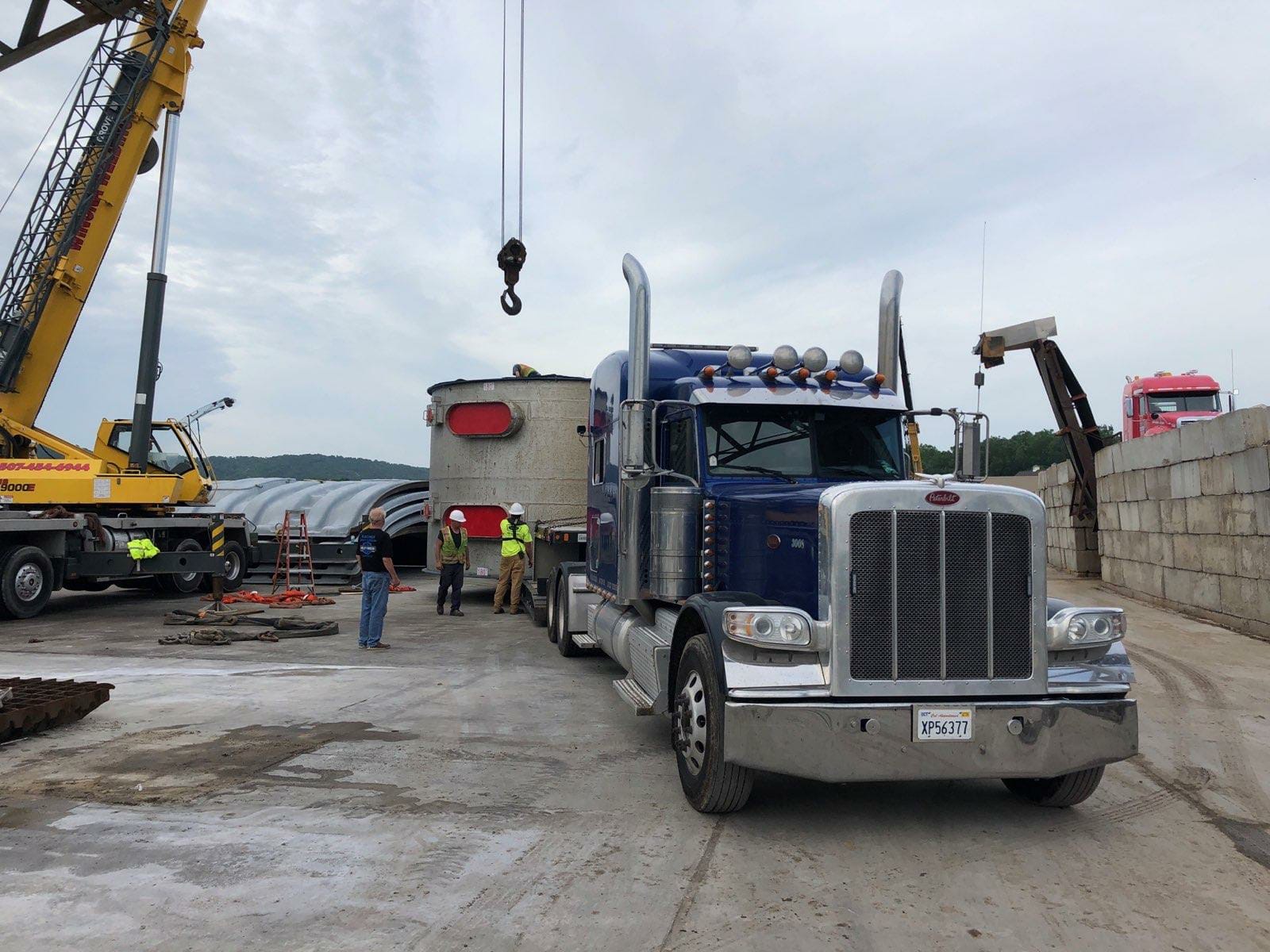
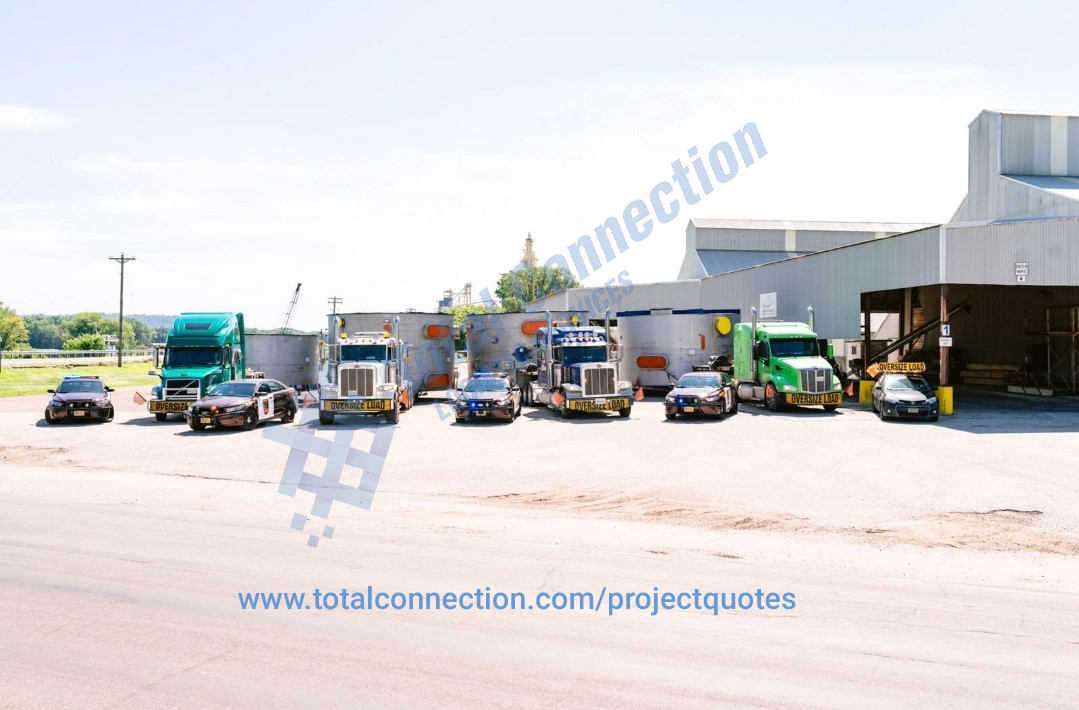
Heavy haul trucking for major equipment pieces, flatbed and specialized trailer transport for structural components, and standard freight for smaller items and supplies — all coordinated under one logistics program with consistent visibility.

International ocean freight

For plant relocations crossing international borders — container freight for packaged components, flat rack and open top ocean freight for OOG equipment, multipurpose vessel arrangements for very large or heavy items, and RoRo for wheeled equipment. Full export and import documentation management.

Sequenced delivery to reconstruction site

Delivery scheduling aligned with the reconstruction sequence — so structural components arrive when the civil contractor is ready for them, process equipment arrives when the mechanical installation team is ready, and instrumentation and electrical components arrive at the appropriate phase of construction. Warehousing and temporary storage management when components arrive ahead of their installation window.

Coordination with EPC and installation contractors

Direct interface with your EPC contractor's project management team to align logistics execution with the construction schedule. Proactive communication on delivery status so the installation team can plan their work around confirmed delivery dates rather than estimated ones.

Why plant relocation logistics goes wrong — and how we prevent it

The most common failure mode in plant relocation logistics is treating it as a series of individual freight bookings rather than an integrated program. When different vendors handle different pieces — one contractor for the domestic heavy haul, a freight forwarder for the ocean freight, a separate local carrier for the destination country — no single party has visibility into the full sequence or accountability for the overall outcome.

Components arrive out of sequence. Customs delays aren't communicated in time for the installation team to adjust their schedule. A vessel booking is delayed and nobody tells the EPC contractor until the impact is already irreversible.

When Total Connection manages a plant relocation program, there is one team with visibility into every leg of the logistics operation and accountability for the overall delivery performance. We communicate proactively — not reactively. We flag risks before they become delays. And when something changes we resolve it within our own operation rather than waiting for a vendor to respond.

The earlier you engage us the better the program we can build

Plant relocation logistics is one of the few logistics categories where the planning phase is as important as the execution phase. The decommissioning sequence, the component transportation plan, the vessel booking windows, the destination country import requirements, the reconstruction site delivery sequence — all of these have long lead times and significant interdependencies.

Companies that engage their logistics partner during the feasibility and planning phase end up with a better program than companies that treat logistics as an afterthought to the engineering and procurement decisions. We're most useful to you before the decisions are made — not after.

If a reconstruction site hasn't been selected yet, logistics feasibility should be an input to that decision. Port infrastructure at the destination, road access to the reconstruction site, local crane availability, import regulations for industrial equipment — these factors affect logistics cost and complexity significantly and are better known before a site commitment than after.

Planning an Industrial Plant Build or Relocation?
FAQS/

Frequently asked questions

What is involved in a full industrial plant relocation?

A full plant relocation involves: decommissioning logistics at the origin site — planning the sequence of equipment removal to minimize production disruption; dismantlement and preparation of equipment for transport; domestic transportation of components to the port or directly to the new site; international ocean freight for cross-border relocations; customs clearance at origin and destination; sequenced delivery to the reconstruction site aligned with the installation schedule; and temporary storage management for components that arrive before their installation window. Total Connection manages the full scope as a single integrated logistics program.

How do you coordinate plant relocation logistics with the EPC contractor's construction schedule?

We establish a direct interface with the EPC project management team at the start of the program — reviewing the construction schedule, identifying the delivery sequence requirements for each major equipment item, and building the logistics program around those requirements. Throughout execution we provide regular delivery status updates that the EPC team can use for construction planning, and we communicate proactively when delivery timing changes so the construction schedule can be adjusted before it becomes a problem.

Can you handle plant relocation to international destinations?

Yes. International plant relocation adds ocean freight management, export documentation, international customs clearance, and in-country logistics at the destination to the logistics program. We manage all of these components in-house — you don't need a separate international freight forwarder for the ocean leg and a separate local logistics provider for the destination country. One team manages the full international scope.

How do you handle components that arrive at the reconstruction site before they're needed?

For components that arrive at the destination ahead of their installation window we arrange temporary storage — either at a nearby warehouse facility or in some cases on-site if the construction site has appropriate storage capability. We track stored components and coordinate their delivery from storage to the installation point when the construction schedule calls for them. Proactive sequencing in the delivery plan minimizes the volume of components requiring temporary storage.

What is the typical cost structure for plant relocation logistics?

Plant relocation logistics costs include domestic transportation for each component or shipment, ocean freight for international legs, port handling at origin and destination, export and import documentation fees, temporary storage where required, and our program management fee for coordinating the overall logistics program. We develop a detailed cost estimate during the planning phase based on the full equipment inventory, transportation requirements, and destination country requirements.

How early in the plant relocation planning process should we engage Total Connection?

As early as possible — ideally during the feasibility and conceptual planning phase before a reconstruction site has been selected. Logistics feasibility — particularly for international plant relocations — should be an input to site selection decisions, not an afterthought. Port infrastructure at the destination, road access to the reconstruction site, import regulations for industrial equipment, and the availability of local installation contractors all affect the logistics program significantly and are better identified before commitments are made than after.

What happens if the reconstruction schedule changes after the logistics program is underway?

Construction schedule changes are common in major industrial projects — and they affect the logistics program directly. When the reconstruction schedule changes we reassess the delivery sequence and timing, adjust vessel bookings and transportation schedules where possible, and communicate the revised delivery plan to all parties. Some changes can be accommodated without significant cost impact. Others — particularly vessel booking changes close to sailing dates — may involve rebooking fees or rate adjustments. We flag these cost implications immediately when a schedule change is communicated so you can make informed decisions about how to respond.

Get A Quote Today - Cargo X Webflow Template