
.png)
Drilling fluids are the lifeblood of any drilling operation. They cool the drill bit, carry cuttings to the surface, maintain wellbore pressure, stabilize the formation, and prevent blowouts. Without a continuous supply of properly formulated drilling fluid delivered to the rig on time, the entire operation stops.
Shipping drilling fluids and their chemical additives requires understanding the different fluid systems, their hazmat classifications, the equipment requirements, and the operational urgency of keeping a drilling rig supplied.
For shipper-led capacity and hazmat-fluent execution on this freight, see Total Connection's liquid bulk and chemical logistics service.
Types of drilling fluids and their shipping requirements
Water-based drilling fluids (WBM)
Water-based muds are the most commonly used drilling fluid system. They use water as the base with chemical additives including bentonite clay for viscosity, barite for weight, polymers for fluid loss control, and various chemicals for pH adjustment, shale inhibition, and lubricity. Many WBM additives are non-hazardous, but some, particularly biocides, caustic soda, and certain polymer concentrates, carry DOT hazmat classifications.
The advantage of WBM systems is their versatility and lower cost compared to oil-based alternatives. They can be formulated for a wide range of drilling conditions and are easier to dispose of after use. However, they require precise chemical balance to maintain performance, meaning frequent shipments of specific additives to adjust the system as drilling conditions change. A typical WBM program might require weekly deliveries of bentonite, barite, caustic soda, and specialty polymers throughout a multi-week drilling operation.
Oil-based drilling fluids (OBM)
Oil-based muds use diesel or mineral oil as the base fluid. They provide superior performance in difficult drilling conditions, high temperatures, reactive shales, extended-reach wells, but they're more expensive and more regulated. The base oil is typically classified as a DOT Class 3 flammable liquid, and many OBM additives carry additional hazmat classifications. Shipping OBM components requires strict hazmat compliance on every load.
OBM systems excel in challenging formations where water-based systems fail. They provide better lubricity for extended-reach drilling, superior shale stability, and maintain consistent properties at high temperatures. However, the base oil itself requires specialized petroleum tanker equipment, strict spill prevention protocols, and full hazmat documentation on every shipment. Operators shipping OBM components must coordinate tanker availability, ensure equipment is properly cleaned between loads, and maintain backup capacity for emergency resupply when drilling conditions consume fluid faster than anticipated.
Synthetic-based drilling fluids (SBM)
Synthetic-based muds use engineered synthetic fluids as the base, typically olefins, esters, or acetals. They offer the performance advantages of oil-based muds with lower environmental impact and reduced toxicity. However, synthetic base fluids are expensive specialty chemicals that require clean, dedicated tanker equipment and careful temperature management during transport.
SBM systems represent the premium option for environmentally sensitive drilling locations, offshore operations, and directional wells where performance cannot be compromised. The synthetic base fluids cost significantly more than diesel or mineral oil, making logistics efficiency critical. Any contamination from improper tank cleaning or cross-loading with incompatible products can ruin an entire load, so carriers must maintain dedicated equipment and rigorous quality control procedures.
Common drilling fluid additives and their hazmat profiles
Caustic soda (sodium hydroxide), DOT Class 8 corrosive. Used for pH adjustment. Extremely corrosive and requires specific lined or stainless steel tanker equipment.
Biocides, typically DOT Class 6.1 toxic. Used to prevent bacterial degradation of the drilling fluid system. Small volumes but strict compliance requirements.
Diesel and mineral oil, DOT Class 3 flammable liquid. Base fluid for oil-based muds. High volume shipments requiring DOT 407 or equivalent tanker equipment.
Calcium chloride and potassium chloride brines, typically non-hazardous. Used as completion and workover fluids. Ship in standard tanker equipment but require clean tanks to prevent contamination.
Lubricant additives, classifications vary. Used to reduce torque and drag in the wellbore. Some petroleum-based lubricants carry flammable liquid classifications.
Weighting agents like barite (barium sulfate) and hematite ship as dry bulk powders in pneumatic tankers or super sacks. While not classified as hazmat, they require clean, dry equipment to prevent contamination and moisture absorption that degrades their performance.
Viscosifiers and fluid loss additives including xanthan gum, modified starches, and synthetic polymers typically ship as liquid concentrates or dry powders. These products are sensitive to temperature extremes and require protection from freezing during winter transport in northern drilling regions.
Wellsite delivery logistics and coordination
Delivering drilling fluids to an active rig site requires coordination with the drilling contractor's mud engineer, logistics coordinator, and sometimes the operator's supply chain team. Timing matters because storage capacity at the wellsite is limited. Tanks and frac tanks can only hold so much inventory, and when a horizontal well is being drilled at high rates of penetration, fluid consumption increases dramatically.
Wellsite access can be challenging, particularly in remote locations or during adverse weather. Dirt lease roads may be impassable after heavy rain. Winter ice and snow create additional delays in northern basins. Carriers must have experience navigating oilfield locations and the equipment to handle difficult site conditions, including chains, tow straps, and knowledge of when to wait versus when to attempt delivery.
Delivery schedules often change with little notice. A drilling program might hit unexpected formations that require immediate fluid system adjustments, meaning urgent shipments of specific additives. Or drilling might pause for weather, equipment repairs, or casing operations, temporarily halting deliveries until the operation resumes. Effective drilling fluid logistics requires flexible capacity and responsive communication to adapt to these changes.
Equipment and logistics considerations
Drilling fluid components ship in various tanker configurations depending on the product. Liquid additives ship in standard chemical tankers. Base oils require DOT 407 petroleum tankers. Corrosive products like caustic soda need lined or stainless steel tanks. All tanks must be properly washed and free of prior cargo that could contaminate the drilling fluid system.
Tank cleaning between loads is critical. A tanker that previously hauled incompatible chemicals can contaminate the next load, ruining the drilling fluid's performance. Mud engineers specify cleanliness requirements, often requiring steam cleaning, caustic washes, or dedicated equipment that only hauls compatible products. Logistics coordinators must verify tank wash certifications before loading and maintain documentation proving equipment suitability.
Delivery timing is critical. A drilling rig consumes drilling fluid continuously, when the supply runs out, the rig stops. Rig downtime costs operators thousands of dollars per hour in lost productivity, making reliable, on-time deliveries non-negotiable. This means backup capacity for equipment failures, alternative routing for weather delays, and 24/7 dispatch availability to coordinate emergency deliveries when unexpected drilling conditions increase fluid consumption.
Safety and compliance requirements
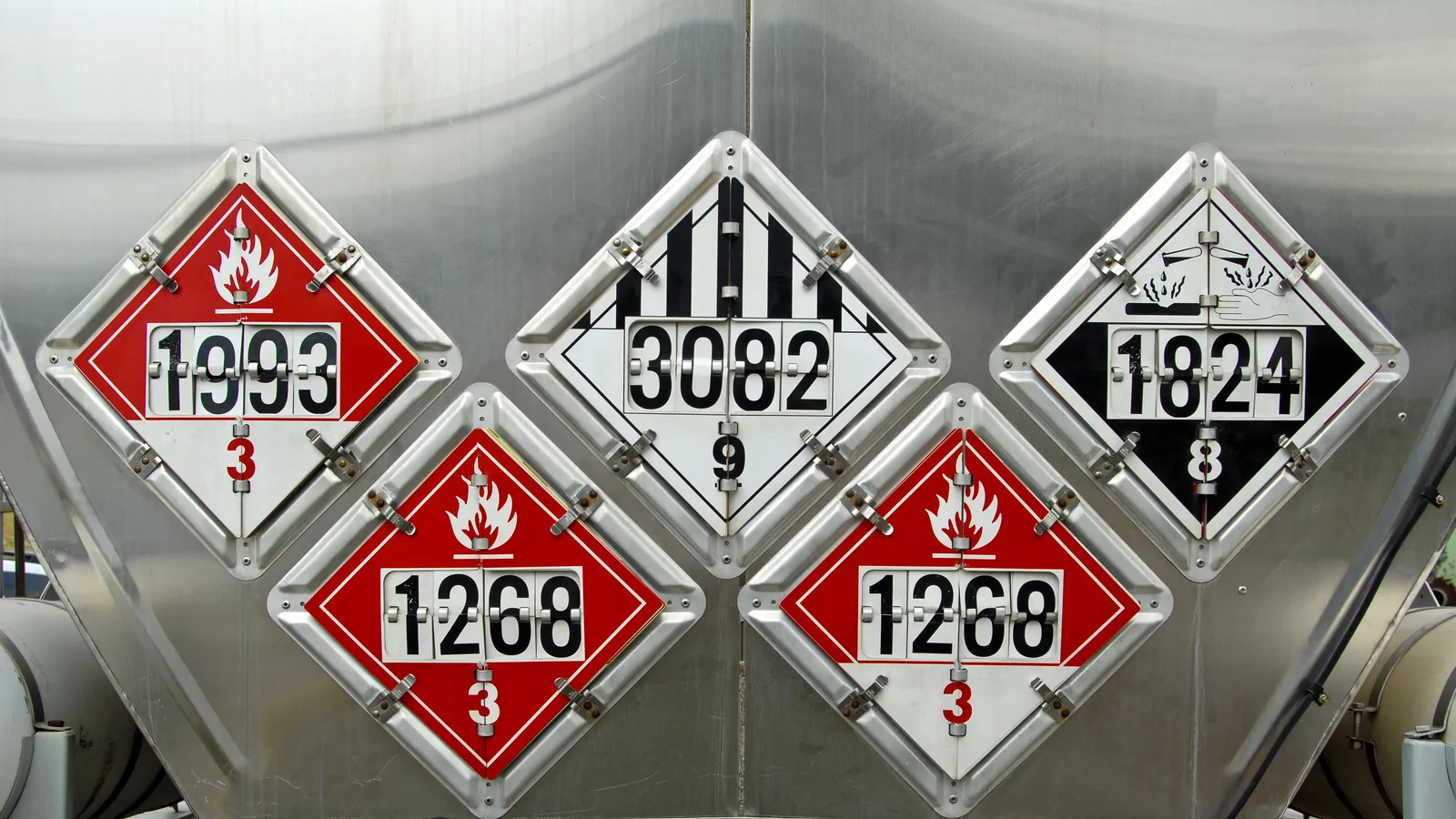
Hazmat compliance is mandatory for drilling fluid shipments. Carriers must have proper placarding, hazmat endorsements, and current training for drivers hauling regulated products. Shipping papers must accurately describe the material, classification, and emergency response information. Failure to comply with DOT regulations creates liability for both the carrier and the shipper.
Spill prevention and response planning is particularly important for oil-based and synthetic-based drilling fluids. These products can create environmental contamination if released during transport or transfer operations. Carriers should have spill kits, containment equipment, and trained personnel to respond to incidents. At the wellsite, proper transfer procedures including grounding, bonding, and overfill prevention are essential to safe operations.
How Total Connection handles drilling fluid logistics
We've shipped drilling fluids and additives to rigs across every major US producing basin since 1995. Our carrier network includes operators with the right equipment, hazmat certifications, and oilfield delivery experience to keep your rig supplied reliably.
We manage carrier selection, equipment matching, hazmat documentation, tank wash coordination, and delivery scheduling, all coordinated by a single account manager who understands your drilling program's timeline and chemical requirements. Whether you're running a single-well program or managing multi-rig operations across multiple basins, we provide the capacity, compliance expertise, and operational flexibility to keep your drilling operation moving.
Call 732-817-0401 or request a quote for your drilling fluid logistics.
Frequently Asked Questions
Are drilling fluids hazardous materials?
Many drilling fluid components are. Oil-based mud base fluids are typically DOT Class 3 flammable. Caustic soda is Class 8 corrosive. Biocides are often Class 6.1 toxic. Water-based mud additives vary, some are hazmat, some are not. The classification depends on the specific chemical product.
What equipment is needed to ship drilling fluids?
Depends on the product. Liquid additives ship in standard chemical tankers. Base oils require DOT 407 petroleum tankers. Corrosives need lined or stainless steel tanks. All equipment must be properly washed and compatible with the specific product.
How quickly can drilling fluid components be shipped?
For standard orders, 24-48 hours on most lanes. For emergency rig supply needs, same-day dispatch through our 24/7 operations team. Maintaining consistent supply is critical, when a rig runs out of drilling fluid, the operation stops.
Can Total Connection manage ongoing drilling fluid supply programs?
Yes. We manage scheduled delivery programs for active drilling operations, coordinating multi-product, multi-truck shipments on recurring schedules with surge capacity available for unexpected demand.
What documentation is required for drilling fluid shipments?
Hazmat shipments require proper shipping papers with product description, DOT classification, UN number, packing group, emergency response information, and shipper/consignee details. Tank wash certificates may be required to prove equipment cleanliness. Carriers need current hazmat endorsements and training certifications.