
Cross-docking is a logistics practice where incoming freight is unloaded at a facility, sorted or reconfigured, and loaded directly onto outbound trucks for delivery, with minimal or no storage time in between. The product "crosses the dock" from inbound to outbound without entering long-term warehouse storage.
The concept sounds simple, but effective cross-docking requires precise timing, coordinated scheduling between inbound and outbound carriers, and a facility designed for rapid throughput rather than storage.
How cross-docking works
A standard cross-dock operation follows this flow: inbound freight arrives at the facility, by container, tanker, LTL carrier, or full truckload. The freight is unloaded at receiving docks. Products are sorted, consolidated, or reconfigured based on their final destination. The sorted freight is moved across the dock floor to the outbound staging area. Outbound trucks are loaded with the sorted freight and dispatched for delivery.
The entire process happens within hours, not days. Product touches the facility floor briefly, it doesn't go into racking, isn't stored overnight, and isn't inventoried in a warehouse management system. Cross-docking is about flow, not storage.
Types of cross-docking
Manufacturing cross-docking
Inbound raw materials or components from multiple suppliers are received and consolidated into kits or production-ready loads for delivery to manufacturing facilities. This supports just-in-time manufacturing by consolidating multiple supplier shipments into single deliveries.
Distributor cross-docking
Inbound products from multiple manufacturers are sorted and consolidated into mixed-SKU loads for delivery to retail stores, distribution centers, or end customers. This is the model used by major retailers and grocery distributors.
Transportation cross-docking
LTL shipments from multiple shippers are consolidated into full truckloads heading to the same region. This is standard practice for LTL carriers, freight moves through multiple cross-dock terminals between pickup and delivery.
Opportunistic cross-docking
Ad hoc cross-docking when a shipment opportunity aligns, an inbound load arrives at a facility at the same time an outbound truck heading to the same destination has available space. Less structured but cost-effective when the timing works.
When cross-docking makes sense
Cross-docking works best when products don't require quality inspection or processing at the facility, when inbound and outbound timing can be closely coordinated, when you're consolidating shipments from multiple origins to common destinations, when storage costs are high and you want to minimize inventory holding time, and when products are time-sensitive, perishable goods, seasonal products, or production-critical materials.
Cross-docking does not work well for products that need quality testing before release, products that require kitting or value-added processing beyond simple sorting, or situations where inbound and outbound timing can't be reliably coordinated.
Cross-docking vs. warehousing
Warehousing stores product for days, weeks, or months. Cross-docking moves product through a facility in hours. Warehousing is appropriate when demand is unpredictable and buffer stock is needed. Cross-docking is appropriate when demand is predictable and throughput speed matters more than storage capacity.
Many supply chains use both, warehousing for base stock and cross-docking for replenishment flows and time-sensitive shipments.
Cross-docking for container freight
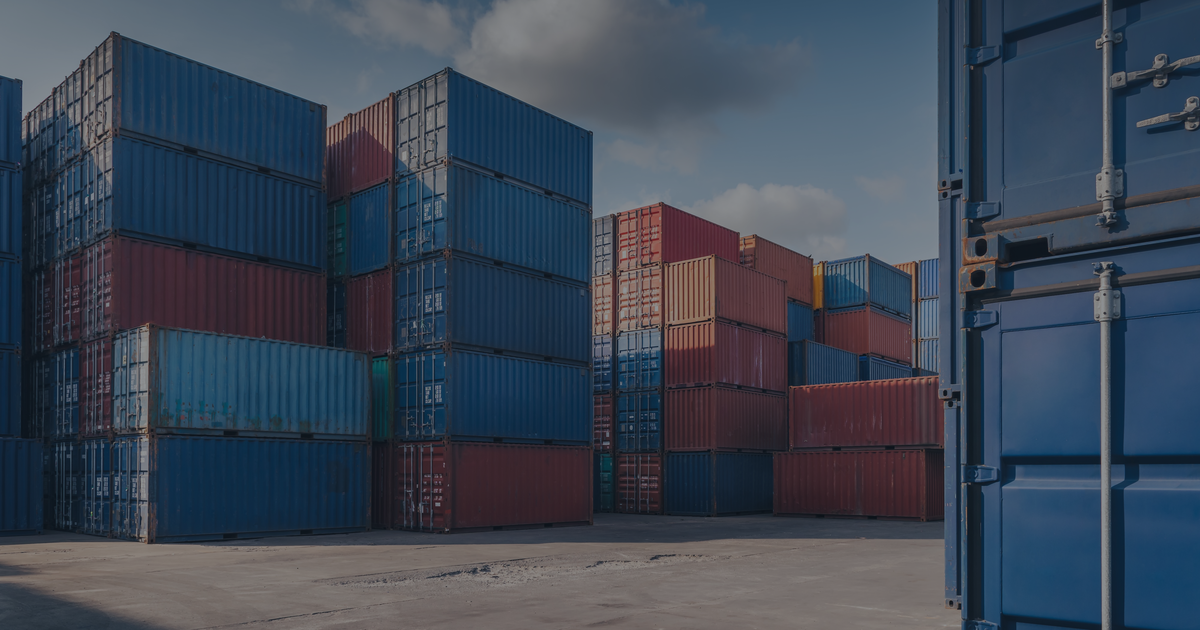
In container drayage, cross-docking is commonly used when an ocean container arrives with freight destined for multiple locations. The container is drayed from the port to a cross-dock facility, unloaded, sorted by destination, and loaded onto separate domestic trucks for final delivery. This is faster and more cost-effective than making multiple stops with the container itself, which would incur chassis detention charges and delay the container return.
How Total Connection coordinates cross-docking
We manage cross-dock operations as part of our drayage and distribution services. Container arrives, freight is sorted, outbound trucks are scheduled, and deliveries are confirmed, all coordinated by a single account manager.
Call 732-817-0401 or request a quote.
Frequently Asked Questions
What is cross-docking?
A logistics practice where freight is unloaded from inbound vehicles, sorted by destination, and loaded onto outbound trucks within hours, with minimal or no warehouse storage. The product moves across the dock rather than into storage.
How is cross-docking different from warehousing?
Warehousing stores products for days to months. Cross-docking moves products through a facility in hours. Warehousing buffers against unpredictable demand; cross-docking optimizes throughput speed for predictable flows.
How is cross-docking different from transloading?
Transloading transfers product between transportation modes (rail to truck, container to domestic trailer). Cross-docking sorts and reconfigures freight for multiple destinations. A container can be transloaded and cross-docked in the same operation, product transferred from the container and sorted for multiple outbound deliveries.
Does Total Connection offer cross-docking services?
Yes. We coordinate cross-dock operations as part of our drayage and distribution services, container unloading, sorting, outbound carrier scheduling, and multi-destination delivery.