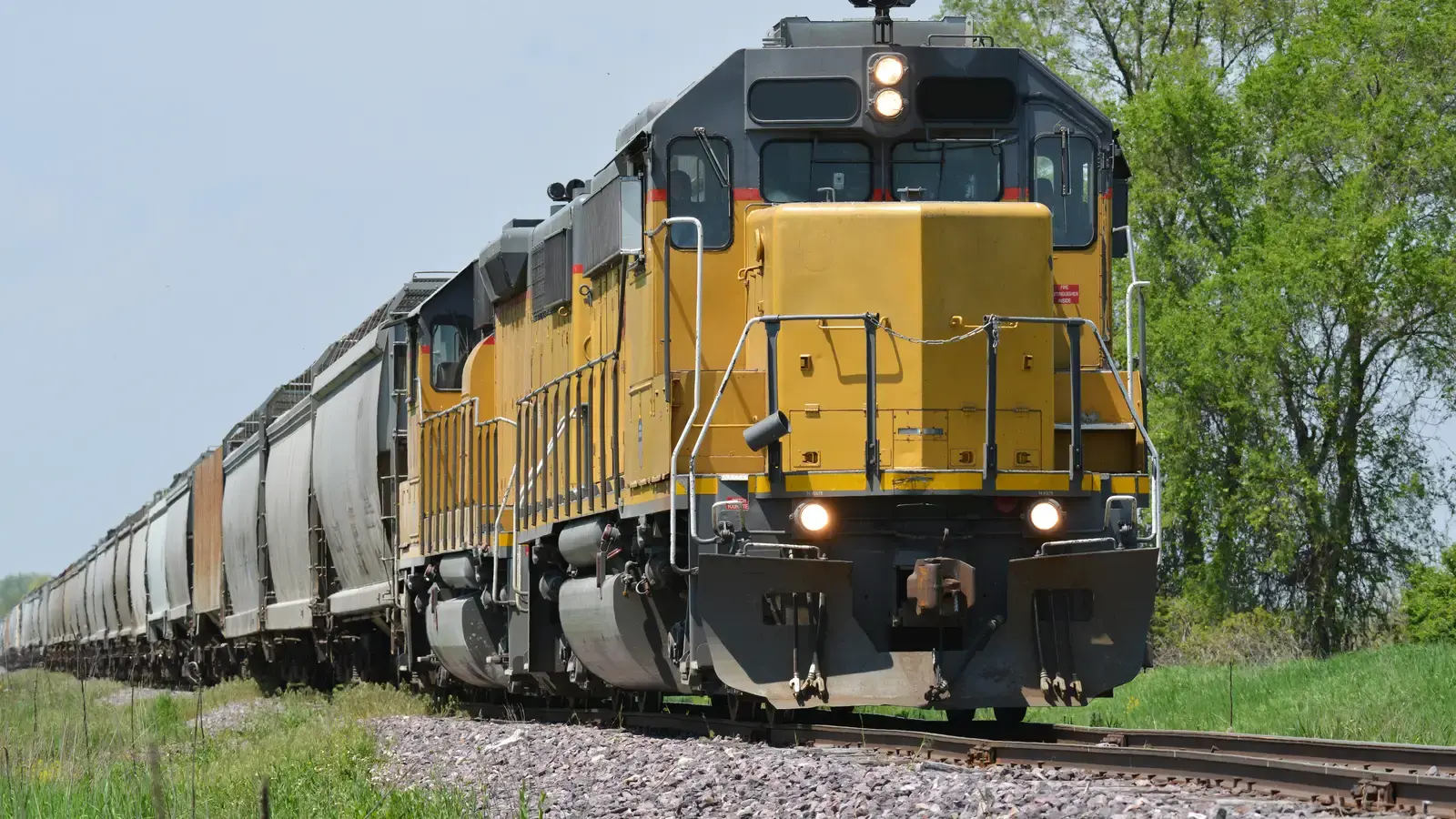

Houston chemical drayage is the overland movement of loaded or empty containers between the Port of Houston complex and chemical plants, tank farms, transload facilities, and warehouses across the Gulf Coast region. It is the critical final leg between an ocean vessel and a chemical plant, and it is where shipments go sideways due to equipment mismatches, missed terminal appointments, and hazmat compliance gaps.
The Port of Houston handles more waterborne cargo tonnage than any other U.S. port. A significant share of that tonnage is chemical freight: petrochemical feedstocks, industrial solvents, acids, caustics, and specialty chemicals moving in ISO tanks, flexitanks, and drummed containers. If you are importing or exporting through Texas, getting drayage right is not optional.
For a complete breakdown of how container drayage works from port gate to final delivery, see our container drayage guide for chemical shippers.
The Port of Houston Complex: Two Container Terminals, One Ship Channel
The Port of Houston's container operations run through two main terminals:
- Barbours Cut Terminal (BCT): Located near La Marque and Texas City, Barbours Cut is one of the Gulf Coast's highest-volume container terminals, processing millions of TEUs annually. It runs a Truck Appointment System (TAS) that requires advance booking for all container pickups and drop-offs. Appointment windows are 2 hours. Missing your slot typically means no same-day reschedule, which starts burning through your last free day (LFD) allowance.
- Bayport Container Terminal: Located north of Barbours Cut along the Houston Ship Channel near Pasadena, Bayport runs a separate appointment portal with different gate hours. Some shippers split loads across both terminals depending on vessel routing, which adds coordination complexity that a single call to your broker should resolve before the vessel arrives.
Beyond the two container terminals, the Port of Houston's 52-mile Ship Channel corridor runs through one of the densest petrochemical manufacturing zones in the world. Deer Park, La Porte, Pasadena, Baytown, Texas City, and Freeport are all within drayage range. Distances from port gate to plant typically run 10 to 50 miles, but the TX-225 and TX-146 corridors (the primary routes between the port and the chemical plants) carry heavy freight traffic during weekday peak hours and shift changes. A 20-mile move can stretch to 2 hours during peak windows.
Equipment Requirements for Chemical Container Drayage at Houston
Chemical containers have specific equipment requirements that not every dray carrier can meet. Here is what applies for most chemical drayage moves out of Houston:
- Chassis type: ISO tank containers require a dedicated tank chassis with proper tie-down points and blocking. Drummed chemicals, IBC totes, and dry chemicals in bags or supersacks typically use standard 20-foot or 40-foot container chassis. Overweight containers may need multi-axle chassis to stay within Texas's 80,000-lb gross vehicle weight limit on state highways.
- CDL with hazmat endorsement (H endorsement): Required for any driver transporting containers classified as hazardous materials under 49 CFR Part 171. For ISO tank drayage, the driver also needs an N (tank vehicle) endorsement or the combined X endorsement covering both hazmat and tank operations.
- TWIC card: The Transportation Worker Identification Credential, issued by TSA after a background check, is required to access Barbours Cut, Bayport, and all federal marine terminals. No TWIC means no gate access. The terminal will turn the truck away without exception.
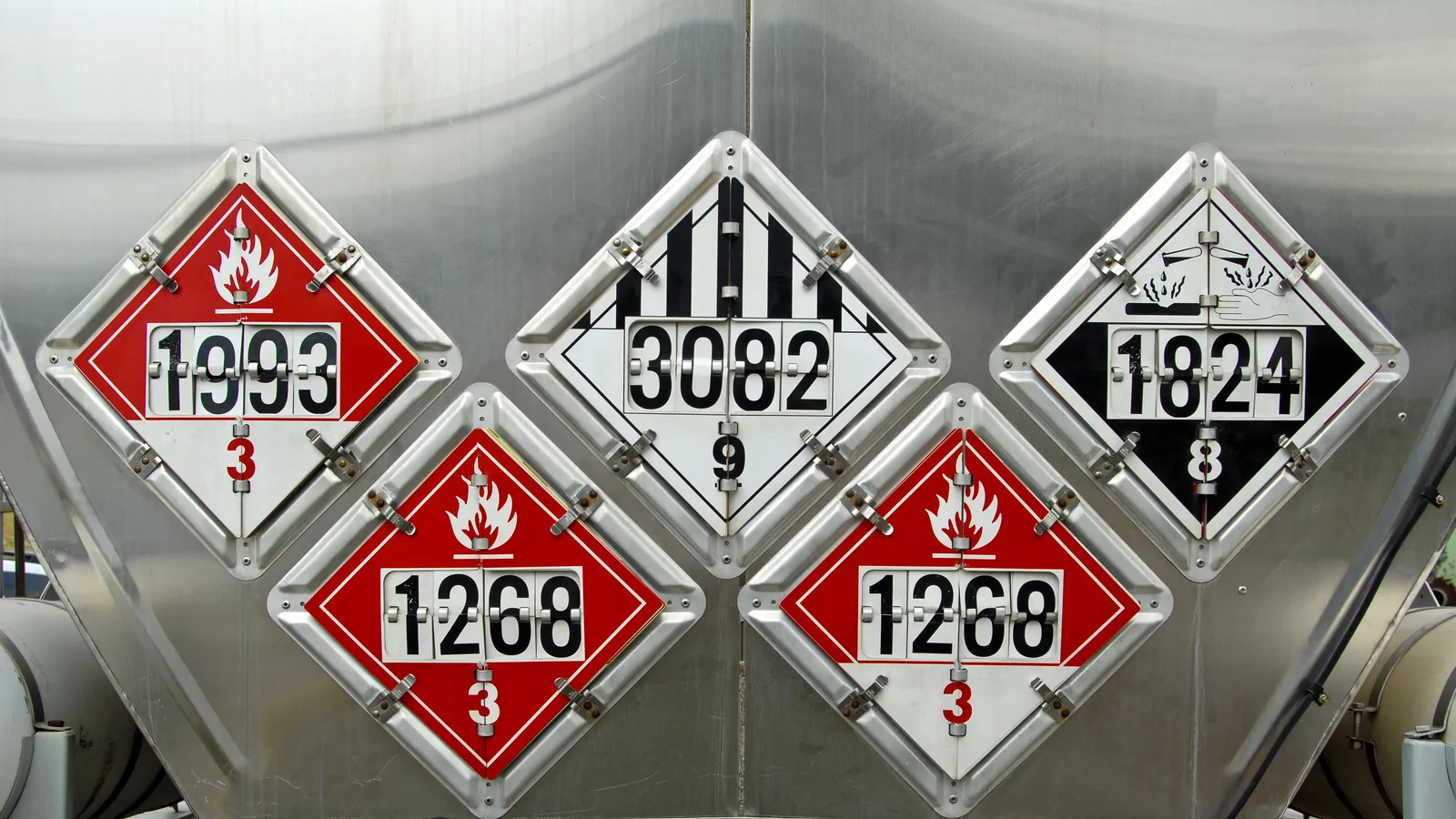
- Placards: The carrier is responsible for affixing correct placards per 49 CFR 172.500 before the container moves on public roads. Four-sided placarding is required. The specific placard depends on hazard class: red FLAMMABLE for Class 3, white CORROSIVE for Class 8, yellow OXIDIZER for Class 5.1.
- SDS in cab: The Safety Data Sheet for the commodity must accompany the shipment in the vehicle. Many carriers request the SDS before accepting the load, which is a legitimate pre-screening step, not bureaucracy.
Hazmat Compliance Framework for Houston Chemical Drayage
Chemical containers moving by truck from the Port of Houston are subject to overlapping federal and state regulations. The key framework:
| Regulation | Agency | Scope |
|---|---|---|
| 49 CFR Parts 171-180 | DOT/PHMSA | Hazmat classification, packaging, marking, labeling, placarding, emergency response, and shipping papers for ground transport |
| 49 CFR Parts 382-399 | FMCSA | Driver qualifications, CDL endorsements, hours of service, and vehicle inspection requirements |
| TxDOT Hazmat Routing Rules | TxDOT/DPS | Preferred and restricted routes for certain hazmat classes through Texas municipalities and over controlled structures |
| EPA EPCRA Section 302-304 | EPA | Notification and reporting requirements for releases of extremely hazardous substances (EHS) |
Common hazard classes moving through Houston port terminals:
- Class 3 (Flammable Liquids): Solvents including xylene (UN 1307), toluene (UN 1294), acetone (UN 1090), and methanol (UN 1230). These require red FLAMMABLE placards and appropriate container lining or tank certification per the commodity's SDS.
- Class 8 (Corrosives): Sulfuric acid (UN 1830), hydrochloric acid (UN 1789), sodium hydroxide solution (UN 1824), and phosphoric acid (UN 1805) are high-volume corrosives in the Houston corridor. White CORROSIVE placards required. Many of these commodities require stainless steel or rubber-lined ISO tanks.
- Class 5.1 (Oxidizers): Hydrogen peroxide solutions (UN 2014 for 20-60% concentration, UN 2015 for concentrations above 60%) move in significant volumes through Houston. Yellow OXIDIZER placard required, with strict segregation from flammables and combustibles.
- Class 6.1 (Toxic Liquids): Formaldehyde solutions (UN 1198 or UN 2209 depending on concentration), certain pesticide intermediates, and chemical synthesis products. Skull-and-crossbones placard required, with additional emergency response planning requirements under FMCSA carrier rules.
Houston Drayage Challenges: Chassis, Appointments, and Traffic
The Port of Houston is operationally complex. These are the friction points chemical shippers hit most often:
- Chassis availability: Houston's chassis pools (DCLI, Flexi-Van, TRAC) can tighten quickly during peak seasons. Chemical and agricultural export peaks sometimes overlap, compressing chassis supply within 24 to 48 hours. Confirming chassis availability before booking a dray is the first call your broker should make, not an afterthought.
- Terminal appointment systems: BCT and Bayport use separate portals. Hazmat containers sometimes require additional pre-clearance steps depending on the terminal's protocols. Late bookings or system outages can push dray dates, triggering per-diem charges of $150-$250 per container per day once free time expires.
- Traffic on TX-225 and TX-146: The Ship Channel corridor sees peak congestion 6:30-9:00 AM and 3:00-6:00 PM on weekdays. A 20-mile move can run 2 hours during peak periods. Experienced dray carriers schedule these lanes outside peak windows when facility hours allow.
- Tunnel and bridge routing restrictions: The Washburn Tunnel (under the Houston Ship Channel) and certain bridges in the metro area have hazmat restrictions. Carriers must know the applicable routing requirements for each commodity before dispatch. Discovering a restriction at the tunnel entrance is a problem with no good on-the-spot solution.
- Receiver facility hours: Many chemical plants in Deer Park and La Porte operate restricted receiving windows and require advance BOL and SDS submission before the truck clears the plant gate. The broker's job is to coordinate these requirements between the carrier and the receiving facility before the dray date, not on the day of delivery.
Transload and Storage Options Near the Port of Houston
The Houston Ship Channel corridor has some of the most developed liquid chemical terminal infrastructure in North America. Chemical importers who need intermediate storage, transloading from ISO tanks to road tankers, or product blending before inland distribution have multiple options:
- Deer Park and La Porte terminals: Intercontinental Terminals Company (ITC), Oiltanking, and other bulk liquid terminal operators along the Ship Channel offer ISO tank transloading, liquid storage, and pipeline connectivity. These facilities accept most chemical classes with advance arrangement.
- Texas City: Additional liquid storage and transload capacity south of the main port complex, with rail and truck access for onward distribution to inland markets.
- Baytown and Pasadena: Several contract packaging and transload warehouses handle drummed chemicals and IBC pallets coming off 20-foot containers, suitable for distribution to smaller-volume customers across Texas and the South.
- Freeport: Chemical importers delivering to Dow, BASF, Braskem, or other Freeport-area facilities face a 70-mile dray from Houston port terminals. This is a distinct lane with its own carrier dynamics and scheduling requirements.
For shippers considering transloading as part of their import strategy, see our liquid bulk logistics services for how we coordinate ISO tank to road tanker moves along the Gulf Coast.
How Total Connection Handles Houston Chemical Drayage
Total Connection has been brokering chemical logistics since 1995. We hold OTI/NVOCC license #026203NF and FMCSA MC #280101. Our carrier network in the Houston area includes dray operators who know Barbours Cut and Bayport, carry the right endorsements, hold current TWIC credentials, and understand the Ship Channel corridor's routing requirements and terminal appointment systems.
When a chemical shipper brings us a Houston dray move, we confirm: the hazmat classification and UN number, equipment requirements (chassis type, lining requirements for ISO tanks), terminal appointment availability relative to your last free day, chassis availability before committing to a date, and the receiving facility's specific requirements including SDS pre-submission and delivery window restrictions.
We carry $5 million in general liability coverage, five times the industry-standard $1 million. For chemical freight, where a single incident can generate a six-figure spill response, that coverage level matters.
If you have containers moving through Houston, request a Houston drayage quote from Total Connection. Tell us the commodity, UN number, terminal, and delivery point, and we will give you a straight answer on cost, timeline, and carrier availability.
Frequently Asked Questions
What is Houston chemical drayage?
Houston chemical drayage is the truck movement of containerized chemical freight between Port of Houston Authority marine terminals (Barbours Cut, Bayport) and chemical plants, tank farms, transload facilities, or distribution centers across the Gulf Coast. Houston is the largest chemical manufacturing hub in North America.
Why is Houston drayage important for chemical importers?
The Houston Ship Channel is home to the largest concentration of chemical manufacturing facilities in North America. Importing chemicals through Houston provides direct access to Gulf Coast chemical plants, reduces inland transportation costs, and positions inventory close to major petrochemical production centers. Houston also offers robust transload and tank storage infrastructure for chemical freight.
What hazmat certifications do Houston drayage carriers need?
Drivers must hold a CDL with hazmat endorsement (H) and tank endorsement (N or X) for ISO tank moves. TWIC credentials are required for terminal access. Carriers must maintain DOT hazmat authority and comply with 49 CFR placarding and documentation requirements for classified chemical freight.
How long does Houston chemical drayage typically take?
Local Houston-area deliveries can be completed same-day when containers are available at the terminal. Deliveries to chemical facilities along the Ship Channel typically run within 24 hours. Longer moves to inland Texas destinations or Louisiana Gulf Coast facilities may take 1-2 days depending on distance and receiver scheduling.
Does Total Connection handle Houston chemical drayage?
Yes. Total Connection manages containerized chemical drayage from Port of Houston terminals including Barbours Cut and Bayport, with hazmat-qualified carriers, TWIC-credentialed drivers, and direct delivery to Gulf Coast chemical plants and distribution centers.
Frequently Asked Questions
What is Houston chemical drayage?
Houston chemical drayage is the overland transport of containerized chemical freight between the Port of Houston complex (including Barbours Cut and Bayport terminals) and receivers, transload facilities, and chemical plants across the Gulf Coast region. Moves typically range from 10 to 70 miles depending on the delivery point. Chemical drayage in Houston requires TWIC-credentialed drivers with hazmat CDL endorsements, correct placarding per 49 CFR 172.500, and familiarity with the Ship Channel corridor's routing restrictions and terminal appointment systems.
Do drayage drivers need special certifications to haul chemical containers out of Houston?
Drivers handling hazardous materials must hold a CDL with a hazmat endorsement (H endorsement) issued after a TSA background check. Drivers hauling ISO tank containers also need a tank vehicle endorsement (N) or the combined X endorsement. All drivers entering Barbours Cut, Bayport, and other federal marine terminals must hold a valid Transportation Worker Identification Credential (TWIC) from TSA. These are two separate credentials with separate application and renewal processes.
How do I avoid per-diem and detention charges on Houston port drayage?
The most reliable approach is to book your drayage appointment before the last free day (LFD) and confirm chassis availability in advance. Free time at Houston terminals is typically 4 to 5 calendar days. Per-diem charges of $150-$250 per container per day begin the moment free time expires. Coordinating the LFD with your broker before the vessel arrives gives you enough lead time to schedule the dray, confirm chassis, and book the terminal appointment without a last-minute scramble.
What hazmat placards are required for chemical containers moving from Houston?
Placard requirements depend on the hazard class of the commodity. Class 3 flammable liquids (solvents like xylene UN 1307 and methanol UN 1230) require red FLAMMABLE placards on all four sides of the container. Class 8 corrosives (sulfuric acid UN 1830, hydrochloric acid UN 1789) require white CORROSIVE placards. Class 5.1 oxidizers (hydrogen peroxide UN 2014 or UN 2015) require yellow OXIDIZER placards. The carrier is responsible for correct placarding per 49 CFR 172.500 before the container moves on public roads.
What ISO tank types are used for chemical drayage from Houston?
ISO tank selection depends on the chemical's compatibility requirements as specified in its SDS. Corrosives like sulfuric acid and hydrochloric acid typically move in rubber-lined or stainless steel ISO tanks rated for Class 8 service. Flammable solvents move in UN-certified stainless or aluminum tanks with appropriate pressure ratings and valve configurations. Oxidizers require tanks with no incompatible metal contact points. Your freight broker should verify tank type against the commodity's SDS before booking equipment.
Can Total Connection handle door-to-door chemical logistics from Houston port to an inland plant?
Total Connection brokers the full logistics chain for chemical imports through Houston: ocean freight arrangement, ISF filing, port drayage, transloading if needed, and over-the-road delivery to the plant. We hold OTI/NVOCC license #026203NF and FMCSA MC #280101 and have been coordinating chemical freight since 1995. Contact us with your commodity, UN number, and delivery point for a complete logistics quote.