
Container drayage is the short-haul trucking of shipping containers between marine terminals, rail intermodal facilities, warehouses, transload sites, and final delivery locations. It is the ground transportation that connects the long-haul legs of an international or intermodal supply chain (ocean vessel, rail) to the places where freight actually gets used. For chemical importers and exporters, drayage is where the most expensive supply chain failures happen, because it is where terminal schedules, chassis pools, driver hours-of-service, customs clearance, and receiving appointments all converge.
This guide covers what container drayage is, the types of drayage moves, port-specific operations at the major US ports, hazmat drayage requirements, chassis management, drayage rate structure, the documentation chain (ISF, customs, drayage receipts), and how to choose a drayage provider for chemical freight.
For port drayage coordination at every major US port, see Total Connection's container drayage service.
What Container Drayage Is and Why It Matters
Drayage is intermodal trucking. A container arrives at a US port on an ocean vessel, gets discharged onto the marine terminal, and has to move from the terminal to its inland destination by truck. That truck movement is drayage. The same applies in reverse for exports: the container moves by drayage from the inland origin to the marine terminal, where it is loaded onto a vessel.
The word "short-haul" makes drayage sound simple. It is not. A 10-mile drayage move from Port Newark to a New Jersey warehouse involves: a terminal appointment scheduled days in advance, a chassis from the appropriate chassis pool, a driver holding a TWIC for unescorted port access, container weight verification, ISF and customs clearance status checks, demurrage clock monitoring at the terminal and detention clock monitoring after pickup, hazmat documentation if the container is regulated, and a receiving appointment at the destination facility. Each piece has its own schedule, its own constraints, and its own failure modes. When any single piece falls out of alignment, charges accrue and delays cascade across the rest of the move.
More supply chain failures happen in the drayage leg than in ocean transit, customs clearance, or final distribution combined. Drayage typically represents 5 to 15 percent of the all-in landed cost of an international shipment, but it accounts for a disproportionate share of avoidable cost overruns through demurrage, detention, chassis day fees, and missed delivery windows.
Types of Container Drayage
Drayage covers five distinct movement types, each with different operational requirements.
Port Drayage
The movement of containers from a marine terminal to an inland destination (warehouse, distribution center, transload facility, or final consignee). This is the most common drayage type and the most operationally complex due to port congestion, terminal appointment systems, and chassis pool management. Total Connection provides port drayage at every major US port.
Rail Drayage
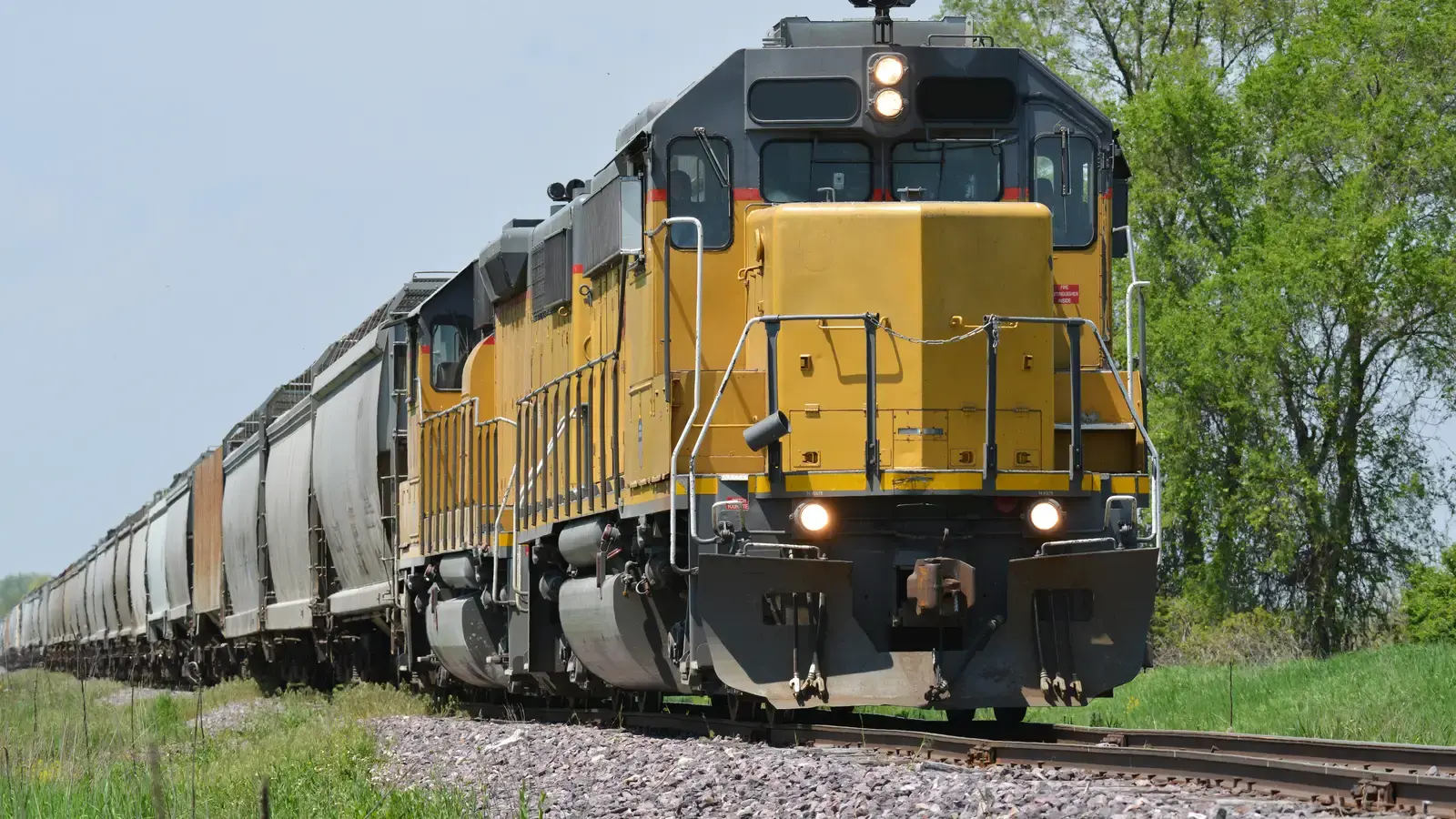
Moving containers to or from inland rail intermodal terminals operated by BNSF, Union Pacific, CSX, and Norfolk Southern. Rail drayage follows the same operational model as port drayage but operates at inland ramps rather than marine terminals. Used when containers move part of their inland journey by rail before final truck delivery.
Inter-Terminal and Inter-Carrier Drayage
Transferring containers between different terminals or ocean carriers within the same port complex. Common at multi-terminal ports like NY/NJ (Maher, APM, Port Newark Container Terminal, Global Terminal) when a container needs to move from one ocean carrier's terminal to another.
Shuttle Drayage
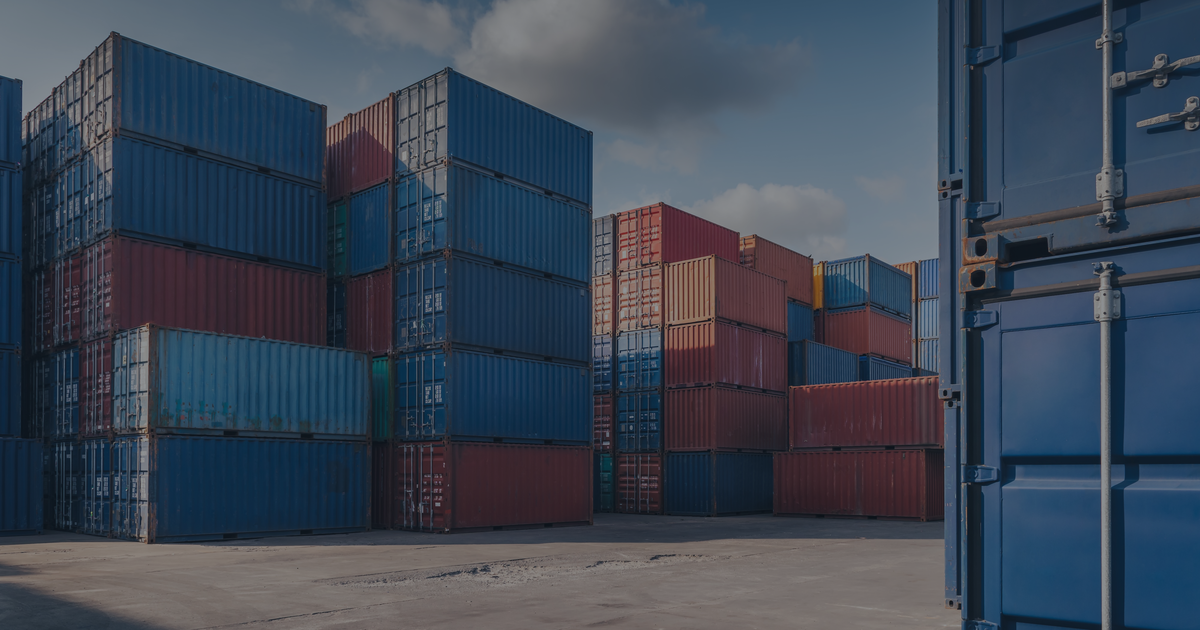
Moving containers between a port terminal and a nearby off-dock container yard or staging area. Used when the marine terminal is congested and containers need to be moved to overflow facilities to free up terminal space and avoid demurrage. See our shipping container yard guide.
Expedited Drayage
Priority container movement for time-sensitive freight. Expedited drayage involves dedicated drivers, premium rates, and guaranteed delivery windows. Used for production-critical chemical shipments where delays would shut down a manufacturing line or trigger contractual penalties.
Drayage at the Major US Ports
Every major US port has its own operational signature: terminal layouts, chassis pool structure, gate appointment systems, peak congestion patterns, and hazmat handling capability. Chemical shippers benefit from a drayage provider with established relationships and experience at the specific ports their freight moves through.
NY/NJ (Port of New York and New Jersey)
The largest port on the US East Coast. Multiple terminals: Maher, APM Terminals, Port Newark Container Terminal (PNCT), Global Terminal, GCT Bayonne. Each operates its own appointment system. Chassis are sourced from the Port of NY/NJ chassis pool or individual carrier pools. Heavy hazmat capability for chemical imports and exports. Significant congestion historically; demurrage and detention exposure runs high during peak seasons. Strong drayage capacity but coordination matters.
Savannah and Charleston (US South Atlantic)
Savannah is the second-largest US container port by volume and the largest single-terminal facility (Garden City Terminal). Charleston is a major chemical port serving the Southeast US chemical manufacturing base. Both ports have grown rapidly and offer good drayage capacity, with extensive inland reach via I-95, I-26, and I-16 corridors.
Houston (US Gulf Coast)
The dominant chemical port in the US. Houston handles the bulk of US petrochemical and specialty chemical exports, plus significant imports of polymers, intermediates, and additives. Bayport Container Terminal and Barbours Cut Terminal are the primary container facilities. Specialized chemical handling capability throughout the port; experienced hazmat drayage carriers; extensive lane density to chemical plants throughout the Houston Ship Channel.
Long Beach and Los Angeles (US West Coast)
Combined, the largest US port complex by container volume. Multiple terminals, multiple chassis pools, complex appointment systems. Strong inland connectivity via rail to interior US markets. Chassis shortages and terminal congestion have been recurring issues; effective drayage requires established relationships and proactive scheduling.
Norfolk and Baltimore
Mid-Atlantic ports serving Virginia, the Carolinas, and the Ohio Valley chemical and manufacturing base. Norfolk International Terminals and Virginia International Gateway handle most container volume. Strong rail connectivity. Lower congestion than NY/NJ.
Oakland, Seattle, and Tacoma
Pacific Northwest and Northern California container gateways. Lower volume than LA/LB but useful for cargo destined to the Pacific Northwest and Western Canada. Tighter capacity environments due to smaller carrier and chassis pools.
Hazmat Container Drayage
Most chemical containers carry materials classified as hazardous under DOT 49 CFR or IMDG Code. Hazmat drayage adds requirements beyond standard container drayage:
- FMCSA hazmat authority: The drayage carrier must hold active hazardous materials authorization for the specific hazard classes being transported.
- Driver endorsements: Drivers need a CDL with hazmat endorsement (H or X) plus TWIC for unescorted port access. The X endorsement combines hazmat and tanker.
- Documentation continuity: The hazmat documentation has to transition correctly from the ocean leg (IMDG Code documentation) to the domestic drayage leg (DOT 49 CFR documentation). The classifications are usually identical but the documents differ.
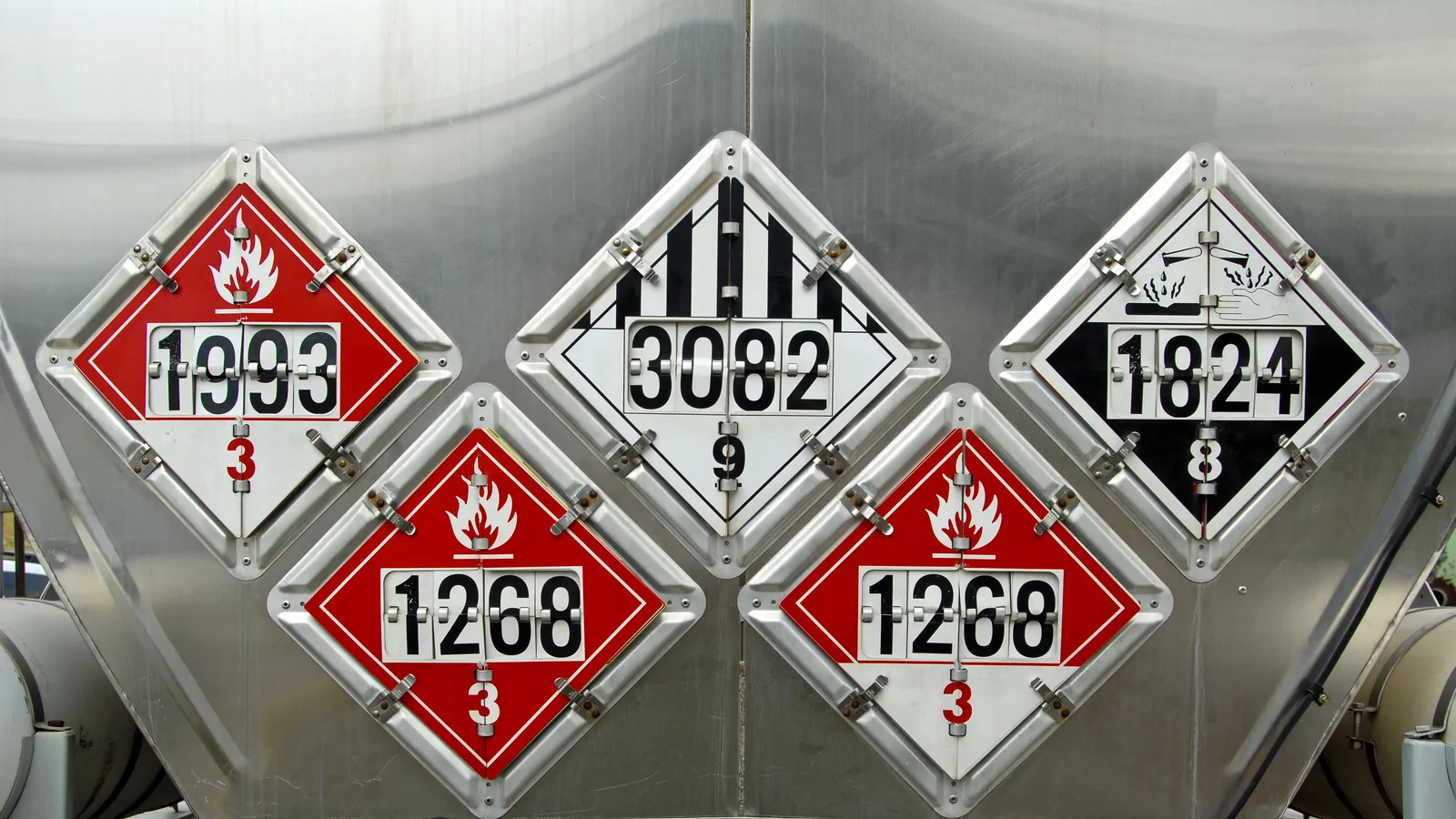
- Placarding: Required on all four sides of the drayage equipment when the container holds placardable hazmat. The drayage carrier supplies placards and the driver applies them at pickup.
- Routing: Hazmat routing rules under 49 CFR 397 apply to drayage moves. Restricted tunnels, bridges, and routes affect routing decisions for placarded loads.
- Insurance: Hazmat drayage carriers require insurance meeting 49 CFR 387 minimums for the specific cargo classes.
For a deeper compliance breakdown, see our hazmat trucking guide.
Chassis Pools, Chassis Shortages, and Chassis Day Fees
A container chassis is the wheeled frame that the container rides on during drayage. The container itself does not have wheels; chassis are separate equipment owned and pooled by chassis providers like TRAC Intermodal, DCLI, FlexiVan, and individual ocean carriers.
Chassis pools work differently at different ports. The Port of NY/NJ uses a single port chassis pool with multiple providers. Long Beach and Los Angeles use a combination of pool and carrier-specific chassis. Houston has its own chassis arrangement. The drayage carrier has to pull the right chassis from the right pool for the right container, and chassis day fees ($25 to $40 per day at most pools) apply for every day the chassis is held.
Chassis shortages have been recurring at major US ports during peak seasons, particularly Long Beach, LA, and NY/NJ. When chassis are short, drivers cannot pick up containers even when the container is available, terminal appointments cannot be honored, and demurrage clocks continue running. Effective chassis management requires the drayage provider to:
- Maintain relationships with multiple chassis pools at each port
- Confirm chassis availability before sending a driver to a terminal appointment
- Track chassis day fees and return chassis promptly to minimize cost
- Have contingency plans (alternate pools, alternate equipment) when primary chassis are unavailable
For more on chassis shortage management, see our chassis shortage guide.
Demurrage, Detention, and Per-Diem Charges
Three time-based charges accrue on drayage moves, and managing them is the central cost-control discipline.
Demurrage
Charged by the ocean carrier or marine terminal when a container remains at the terminal beyond the carrier's allotted free time (typically 3 to 5 days after vessel discharge). Demurrage rates run $150 to $300 per day per container, often escalating in tiers for longer delays.
Detention
Charged by the ocean carrier when the container is held outside the terminal beyond its return deadline. After picking up a container, you have a window (typically 3 to 7 days depending on carrier and lane) to unload the cargo and return the empty container. Detention runs $50 to $150 per day per container.
Chassis Per-Diem
Charged by the chassis pool for every day a chassis is held. $25 to $40 per day at most pools. Often included in drayage rates within a defined window, with per-diem charges after.
The most effective demurrage and detention prevention strategy is proactive coordination from before vessel arrival through return of the empty container: pre-clearing customs before vessel discharge, scheduling drayage pickup as early as possible within free time, confirming chassis availability before driver dispatch, coordinating delivery appointments to enable prompt unloading and return. See our detailed guide on how to avoid demurrage charges and the related container detention charges guide.
How Drayage Connects to ISF, Customs Clearance, and Transload
Drayage does not happen in isolation. It connects to the upstream and downstream documentation and operations of an international shipment.
ISF and Customs Clearance
Before a container can be released from the terminal, ISF must be filed and customs must clear the entry. ISF is filed at least 24 hours before vessel loading at the foreign port. Customs entry filing happens before vessel arrival in the US. The drayage provider has to verify that both are complete before dispatching a driver, because a terminal appointment for a container that is still in customs hold is a wasted move.
Transload
For containers that need to be unloaded and the cargo transferred to domestic equipment (a tanker, a flatbed, a different-sized truck), the drayage move ends at a transload facility rather than the final delivery point. The transload facility has its own appointment scheduling, equipment requirements, and operational hours. Coordinating drayage timing with transload availability is essential to avoid waiting time and chassis day fees. See our transloading guide.
Bonded vs In-Bond Drayage
Bonded drayage moves containers under a customs bond from the port to a bonded warehouse or another customs-authorized facility, allowing duty deferral on imported goods. In-bond drayage moves containers under customs control between ports (port of unlading to port of clearance) without paying duties at the initial port. Both require additional customs documentation and authorized facilities at the receiving end. See our bonded warehouse guide.
Drayage Rate Structure
Drayage rates include several components beyond the base move:
| Component | What It Covers | Typical Range |
|---|---|---|
| Base drayage rate | The move itself from terminal to delivery | $300 to $800 at major US ports for standard moves |
| Fuel surcharge (FSC) | Diesel fuel cost adjustment | 15 to 30 percent of base, adjusted by market |
| Chassis usage | Chassis rental during the move | $25 to $40 per day, often bundled into base rate |
| Tolls | Bridge, tunnel, and highway tolls | Pass-through, varies by route |
| Hazmat surcharge | Premium for placardable hazmat containers | $50 to $150 per move |
| Tri-axle chassis | Required for overweight containers (>44,000 lbs cargo) | $150 to $300 premium |
| Pre-pull / drop and hook | Pulling container from terminal to yard for staging | $100 to $250 per move |
| Detention at delivery | Driver waiting time beyond included loading or unloading | $75 to $125 per hour after 2 hour free time |
| Layover | Driver overnight when load is not ready | $200 to $400 per night |
The all-in cost of a drayage move at a major US port commonly runs 1.5 to 2.5 times the base rate when accessorials are included. Effective drayage management focuses as much on accessorial control as on base rate negotiation.
How to Choose a Drayage Provider for Chemical Freight
Six criteria separate qualified chemical drayage providers from generic intermodal trucking:
- Port and terminal relationships. Established drayage capacity at the specific ports your freight moves through, with relationships at the specific terminals (not just "NY/NJ" but Maher vs PNCT vs APM).
- Chassis management capability. Multiple chassis pool relationships at each port, plus contingency plans for chassis shortage periods.
- Hazmat capability. FMCSA hazmat authority, driver hazmat endorsements, TWIC coverage for unescorted port access, and operational experience with the specific hazard classes you ship.
- Demurrage and detention management. Proactive free time monitoring, pickup scheduling discipline, and documented escalation processes before charges start, not after.
- Visibility and communication. Real-time container status, appointment tracking, exception alerts, and proactive communication when something changes.
- Integration with the broader supply chain. Coordination with customs brokers, transload facilities, and inland trucking under one point of accountability.
Total Connection's Approach to Container Drayage
Total Connection has provided container drayage as part of integrated chemical logistics since 1995. We operate at every major US port (NY/NJ, Norfolk, Charleston, Savannah, Houston, Miami, Long Beach, Los Angeles, Oakland, Seattle, Tacoma, Baltimore) plus inland rail intermodal terminals across the BNSF, Union Pacific, CSX, and Norfolk Southern networks.
Every drayage move includes: terminal appointment scheduling, chassis availability confirmation before driver dispatch, container weight assessment, hazmat documentation review where applicable, free time monitoring from vessel discharge through return of empties, and delivery coordination with the receiving facility. Single account manager accountability across the full move.
For chemical shippers managing imports or exports through US ports, contact us with your trade lane, container volume, and equipment requirements. Call 732-817-0401 or request a quote.
Frequently Asked Questions
What is container drayage?
Container drayage is the short-haul trucking of shipping containers between marine terminals, rail intermodal facilities, warehouses, transload sites, and final delivery locations. It is the intermodal trucking that connects long-haul ocean or rail transportation to the domestic supply chain.
How much does container drayage cost?
Base rates at major US ports typically range from $300 to $800 per move, with all-in costs (including fuel surcharge, chassis, tolls, hazmat premiums, and accessorials) commonly running 1.5 to 2.5 times the base rate. Hazmat containers, overweight loads, and last-mile delivery to remote destinations carry premiums above standard rates.
Why is drayage so complicated?
Because it requires coordinating multiple independent parties (ocean carriers, terminal operators, chassis pools, trucking companies, customs brokers, and receiving facilities) each with their own schedules and constraints. When any piece falls out of alignment, charges accrue and delays cascade. More supply chain failures happen in drayage than in ocean transit or customs clearance combined.
What is a TWIC and why does it matter for drayage?
A TWIC (Transportation Worker Identification Credential) is required for unescorted access to secure US port facilities. Drayage drivers entering marine terminals or other secure maritime facilities need an active TWIC. Drayage providers serving major US ports require all their drivers to maintain current TWIC credentials.
How can I avoid demurrage and detention on my containers?
Pre-clear customs before vessel arrival, schedule drayage pickup early within the carrier's free time window, confirm chassis availability before dispatching a driver, coordinate delivery appointments with the receiving facility in advance, and work with a drayage provider that monitors free time proactively. Reactive drayage providers cost more than proactive ones because they pay for delays you could have prevented.
Does Total Connection handle hazmat container drayage?
Yes. Hazmat drayage is a core capability. We use FMCSA hazmat-authorized carriers with endorsed drivers holding active TWICs, and we manage the hazmat documentation transition from IMDG Code ocean documentation to DOT 49 CFR domestic documentation as a standard part of every hazmat drayage move.
What ports does Total Connection serve for drayage?
Every major US port: NY/NJ, Norfolk, Charleston, Savannah, Miami, Jacksonville, Houston, Long Beach, Los Angeles, Oakland, Seattle, Tacoma, Baltimore. Plus inland rail intermodal terminals on the BNSF, Union Pacific, CSX, and Norfolk Southern networks.