
FTL freight, short for full truckload, is the shipping of cargo that fills or is dedicated to an entire trailer, moving directly from origin to destination with no terminal stops, no transfers, and no other shippers' freight on board. A standard 53-foot dry van holds roughly 44,000 to 45,000 lbs of payload and about 3,400 cubic feet of usable space, and with FTL that whole trailer is yours. One truck, one load, one destination, sealed at origin and opened at the delivery dock.
For shippers with enough volume to fill a trailer, or enough value that they want dedicated space regardless of volume, FTL is the fastest, most secure, and most predictable way to move freight over the road. This guide covers how FTL works, when to use it, the equipment types, how rates are set, and how it stacks up against LTL and partial truckload.
How FTL Freight Works
The FTL process is simple by design, and the simplicity is the point. There are no intermediate terminals where freight gets cross-docked, re-sorted, and re-loaded, which is where most damage and delay enter a shipment.
- You book a truck for a specific lane, equipment type, and pickup window.
- The carrier spots a trailer at your facility at the scheduled time, and your team loads it.
- The driver seals the trailer and drives directly to the delivery location, with no terminal stops along the way.
- The freight is unloaded at destination and the seal is broken, completing the move.
Because the trailer is sealed at origin and opened only at destination, FTL removes the handling damage, consolidation delays, and tracking complexity that come with freight moving through multiple LTL terminals. That single-handling characteristic is the main reason high-value and fragile freight rides FTL even when it does not fill the trailer by weight.
When to Use FTL Freight
FTL is the right mode in several distinct situations, and recognizing them keeps you from overpaying on LTL or risking damage on the wrong service.
- Your freight fills or nearly fills a trailer, approaching 44,000 lbs or the cube limit, where paying for the whole truck is cheaper than building a large LTL shipment.
- Your freight is time-sensitive, because FTL moves direct with shorter and more predictable transit than LTL, which waits for consolidation.
- Your freight is high-value or fragile, since loading once and unloading once means far less handling and far lower damage risk.
- Your freight is hazmat, which often requires dedicated trailer space and a driver with the correct hazmat endorsement under FMCSA and 49 CFR rules.
- Your freight needs special equipment such as a flatbed, reefer, or tanker, which is almost always booked as a full truckload.
For the lighter end of the spectrum, our guide to how much LTL freight costs covers when consolidating with other shippers makes more sense.
FTL Equipment Types
FTL is not one trailer; it is a family of equipment, and matching the load to the right trailer is half the job. The wrong equipment choice can mean a rejected load or a damaged shipment.
Dry Van and Reefer
The dry van is the standard enclosed trailer, 53 feet long, 8.5 feet wide, and roughly 9 feet of interior height, and it carries the majority of general palletized freight. The refrigerated trailer, or reefer, is a temperature-controlled van for perishable and temperature-sensitive freight, set anywhere from frozen to a controlled ambient range.
Flatbed, Tanker, and Specialized
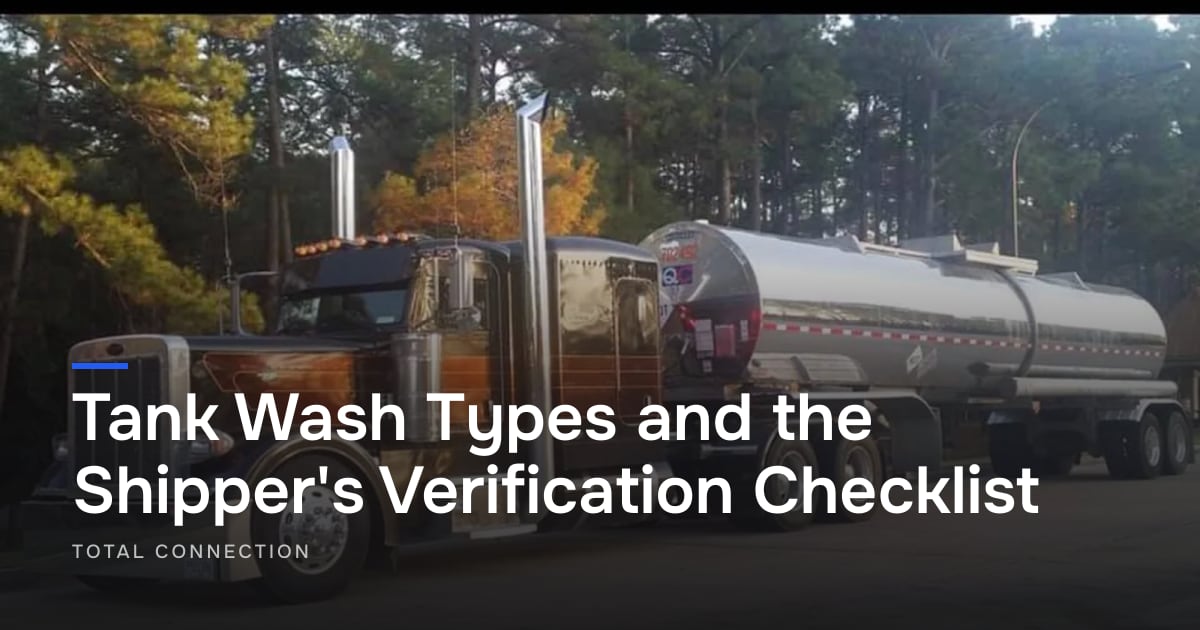
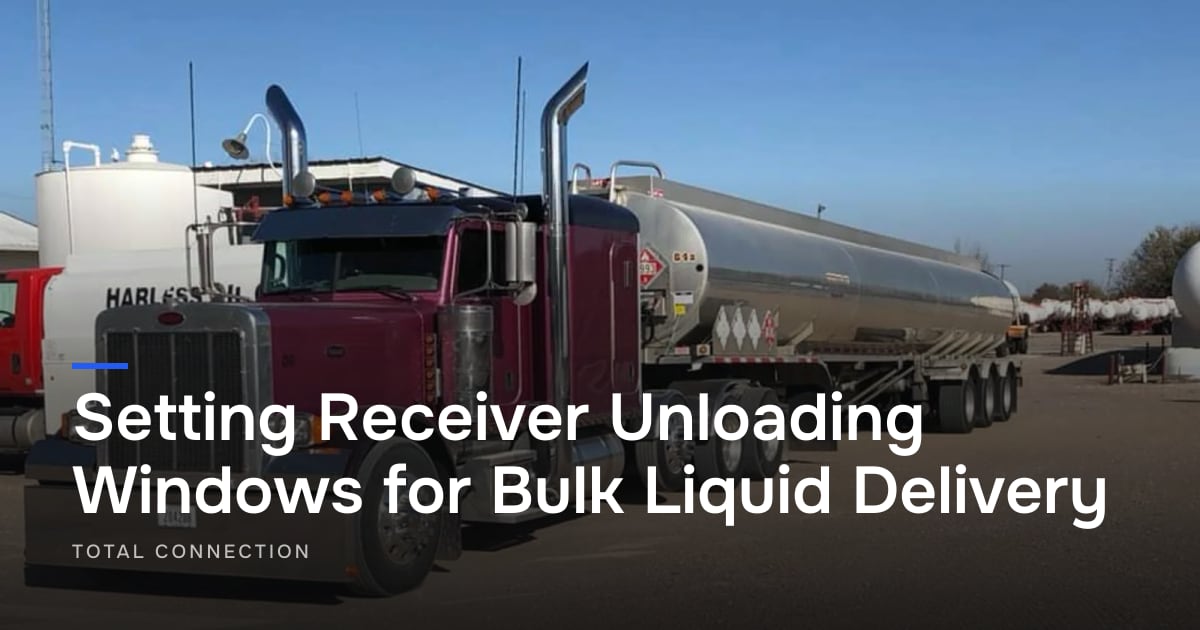
Flatbeds are open trailers for oversized, heavy, or irregularly shaped freight that will not fit in an enclosed van, including step-deck and double-drop configurations for tall loads. Tankers are liquid bulk trailers for chemicals, food-grade liquids, and petroleum products, including DOT 407 and DOT 412 cargo tanks, which is Total Connection's home turf. Specialized equipment covers Conestoga rolling-tarp systems, curtain-side, and lowboy trailers for specific freight profiles.
How FTL Rates Are Determined
FTL rates are built on the lane and the truck, not the freight characteristics, which is the fundamental difference from LTL. The price reflects what it costs to move that trailer over that distance in the current market.
| Rate factor | What it covers | How it moves the price |
|---|---|---|
| Lane and distance | Origin to destination mileage | Longer hauls cost more in total, less per mile |
| Equipment type | Dry van, reefer, flatbed, tanker | Specialized equipment carries a premium |
| Market capacity | Available trucks vs available loads | Tight capacity raises rates, loose capacity lowers them |
| Fuel and accessorials | Fuel surcharge, detention, tarping, layover | Added on top of the linehaul rate |
Unlike LTL, FTL rates are not based on freight class or weight; you are paying for the truck. Many shippers blend contract rates, locked in for a period, with spot rates priced at the time of shipment, to balance cost predictability against market opportunity.
FTL vs LTL vs Partial: The Decision Framework
The mode decision comes down to weight, pallet count, and priority. Getting it right is the single biggest lever on your over-the-road freight cost.
- Over 10,000 lbs or more than 10 pallets: FTL is almost always the most cost-effective, because you would be building a large, expensive LTL shipment anyway.
- Under 5,000 lbs with no urgent timeline: LTL is usually cheapest, since you only pay for the space you use.
- The 5,000 to 10,000 lb gray zone: partial truckload often beats both, giving you dedicated-style handling without paying for the full trailer.
Beyond cost, FTL wins on transit time, damage risk, tracking simplicity, and security, because the trailer is sealed origin to destination. For the full side-by-side, see our breakdown of FTL vs LTL freight.
How Total Connection Handles FTL Freight
Total Connection has booked full truckload freight for shippers since 1995, across every equipment type: dry van, reefer, flatbed, tanker, and specialized. As an independent, non-asset forwarder and licensed motor carrier broker (FMCSA MC 280101), we pick the right carrier and the right trailer for your load instead of feeding a fleet we own, and we carry $5M in general liability for the freight others will not touch.
Every FTL shipment gets carrier screening, rate work against the current market, real-time tracking, and a named account manager who answers the phone next year. FTL is one mode of many we run; the same team books your tanker, your dry van, your drayage, your ocean container, and your warehousing, anchored in the liquid bulk and hazmat freight that is our deepest specialty. To go deeper, read our guides to FTL vs LTL freight and partial truckload, then see our truckload and LTL service. To book a load, call 732-817-0401 or request a quote on your lane.
Frequently Asked Questions
What is FTL freight?
FTL freight is full truckload shipping, where your cargo is the only freight on the truck and moves directly from your facility to the destination. There are no terminal stops and no freight mixing, and the trailer is sealed at origin and opened at delivery. A standard dry van holds roughly 44,000 to 45,000 lbs.
When should I use FTL instead of LTL?
FTL makes sense when your shipment exceeds about 10,000 lbs or 10 pallets, when transit time is critical, when the freight is high-value or fragile, when shipping hazmat that needs dedicated space, or when you need specialized equipment. It is typically more cost-effective than LTL for larger shipments. The 5,000 to 10,000 lb range often suits partial truckload.
How much does FTL shipping cost?
FTL rates depend on the lane, distance, equipment type, current market capacity, and fuel surcharges. Unlike LTL, FTL is not based on freight class or weight, because you are paying for the whole truck. Rates rise when carrier capacity is tight and fall when it is loose.
What is the difference between FTL and dedicated trucking?
FTL books individual loads as needed, while dedicated trucking commits a truck and driver to your business on an ongoing basis, running your routes on your schedule. Dedicated makes sense for consistent, high-frequency shipping programs. FTL is the flexible, per-load option.