Food-Grade Tanker Shipping — Because Contamination Is Not a Risk Category, It's a Consequence
Liquid Bulk Tanker Transport Solutions.
What is Liquid Bulk Tanker Transport?

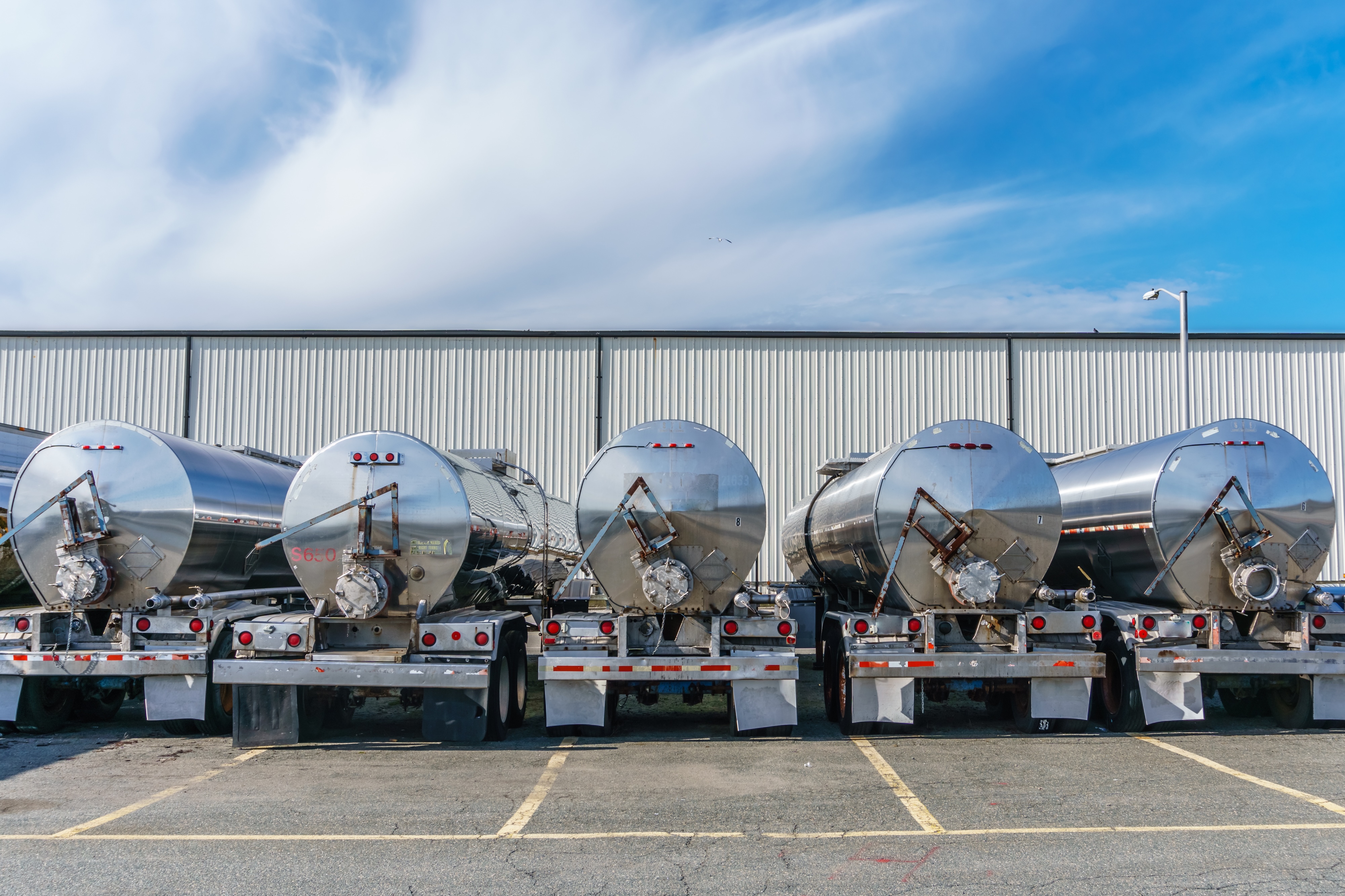
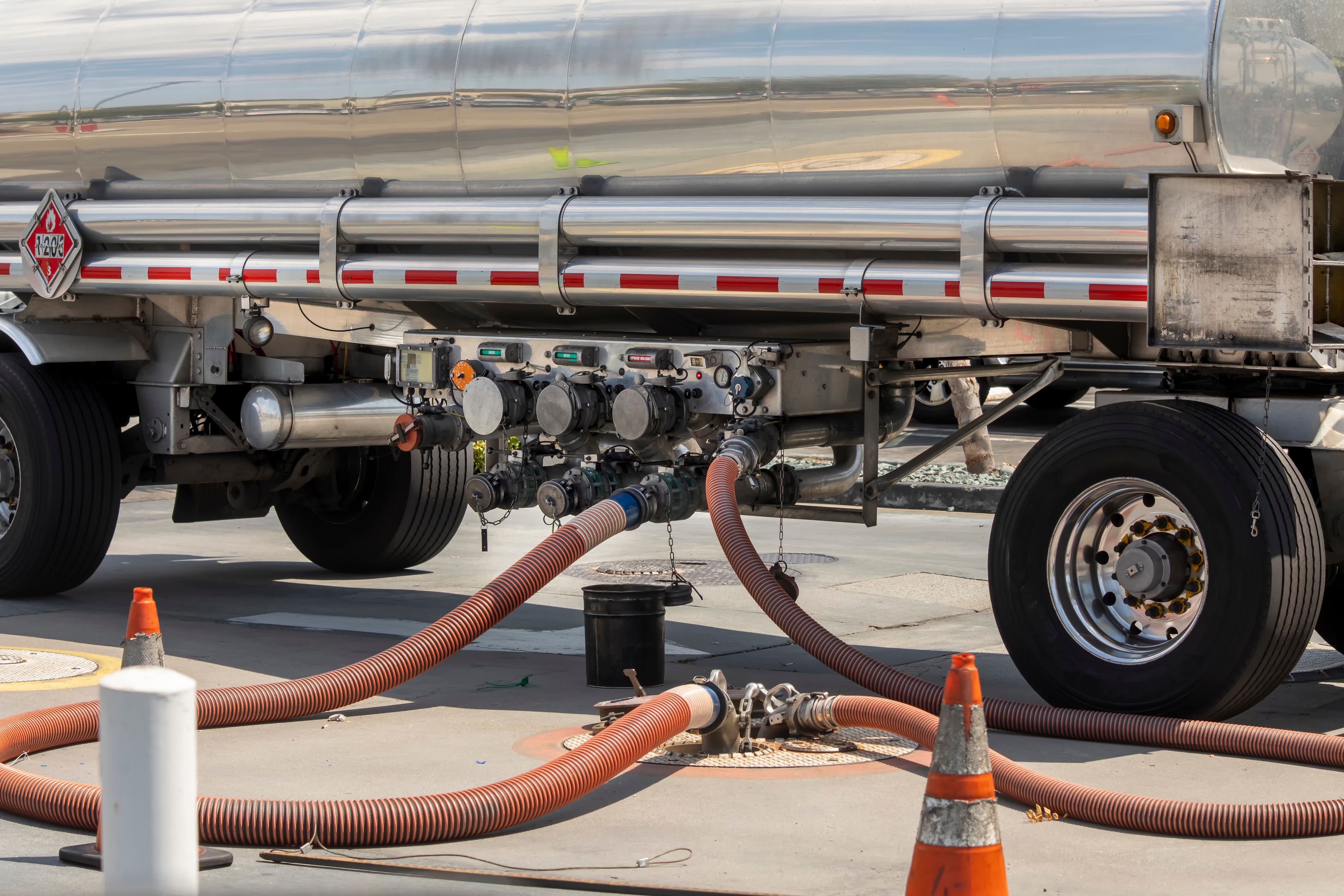
Food-grade tanker shipping is the bulk transportation of edible liquid products — including edible oils, liquid sweeteners, food additives, and other FDA-regulated substances — in dedicated food-grade tanker trailers. It requires strict tank wash certification, prior load verification, allergen management protocols, and compliance with FDA FSMA sanitary transportation requirements. The consequences of contamination in food-grade bulk shipping range from product loss and customer claims to FDA enforcement and public health risk.

We work with a number of chemical companies that also move food-grade bulk products. The ones who've had problems almost always share the same story: they used a carrier or broker who treated the food-grade load the same way they'd treat a chemical load — with a cursory tank wash and a "should be fine" attitude.

That's not how we approach it.

Food-grade tanker shipping has its own carrier requirements, its own wash certification standards, its own allergen management protocols, and its own regulatory framework under FSMA. We maintain a dedicated roster of food-grade carriers — not chemical carriers who occasionally run food-grade freight — and we verify their documentation before every load.

What we ship

Edible oils

Soybean, palm, canola, sunflower, corn, cottonseed, and specialty edible oils in bulk quantities. Tank dedication and wash certification between products is standard for oil shipments.

Liquid sweeteners

High fructose corn syrup, liquid sucrose, molasses, honey, and other bulk sweeteners. Temperature maintenance and dedicated tanks are typically required for HFCS and similar viscous products.

Food additives and ingredients

Liquid lecithin, acidulants including citric acid solution and lactic acid, liquid flavors, food-grade preservatives, and other bulk ingredients used in food manufacturing.

Dairy and beverage liquids

Bulk liquid dairy products, juice concentrates, and beverage ingredient components requiring temperature control and strict sanitation standards.

Food-grade ethanol

Grain-neutral spirits and food-grade ethanol for flavor extraction, food processing, and beverage production applications.

How we manage tank wash and allergen risk

Tank wash management is where food-grade bulk logistics either works or fails. We don't leave this to the carrier to sort out.

For every food-grade shipment we verify prior load history — what was in that tank before your product, and whether the wash performed is appropriate to eliminate cross-contamination risk. For allergen-sensitive products we require documented allergen-free wash certification before loading. For kosher or halal requirements we coordinate the appropriate certification and supervision.

This is the detail that separates a food-grade specialist from someone who just has access to food-grade tanks.

FSMA compliance for bulk liquid food transport

The FDA Food Safety Modernization Act's Sanitary Transportation of Human and Animal Food rule establishes requirements that apply directly to bulk liquid food transportation — covering vehicle and equipment maintenance, temperature controls, operating procedures, training, and recordkeeping. Every carrier in our food-grade network is verified for FSMA sanitary transportation compliance. We don't book carriers who can't demonstrate it.

Why food-grade bulk shipping requires its own carrier network

Food-grade liquid freight cannot be treated like standard chemical freight. The consequences of contamination — whether from a previous chemical load, an inadequate tank wash, or improper handling — range from product loss and customer claims to FDA enforcement action and serious public health risk.

Total Connection maintains a dedicated roster of food-grade tanker carriers who operate exclusively or primarily in the food-grade space. Every food-grade carrier in our network is verified for dedicated food-grade equipment or certified prior use history, proper tank wash documentation and allergen-free certification where required, FDA Food Safety Modernization Act compliance and training, kosher certification where specified, and clean inspection records and food-grade carrier authority.

Get a Food-Grade Tanker Shipping Quote
FAQS/

Frequently asked questions

What makes a tanker food-grade?

A food-grade tanker is a trailer dedicated exclusively to food-use products — it has never been used for non-food chemical freight — or one that has been certified clean for food use through a documented wash and inspection process. Food-grade tanks are typically stainless steel, maintained to higher sanitation standards than chemical tankers, and carry documented prior load history and wash certifications.

What is FSMA and how does it apply to bulk food liquid shipping?

The FDA Food Safety Modernization Act includes the Sanitary Transportation of Human and Animal Food rule, which sets sanitation requirements for carriers and shippers of food products including bulk liquids. Requirements cover vehicle and equipment maintenance, temperature control, operating procedures, training, and documentation. Carriers transporting food-grade bulk liquids must comply, and shippers share responsibility for ensuring their logistics partners meet these standards.

How do you prevent allergen cross-contamination in food-grade bulk shipments?

Prevention starts with prior load verification — we confirm what was previously in the tank and whether the wash performed is appropriate to eliminate allergen risk for your specific product. For allergen-sensitive products we require documented allergen-free certification from an approved tank wash facility before loading. For products with multiple allergen concerns we work to establish dedicated lane arrangements using the same tanks consistently.

Do you offer kosher-certified food-grade tanker shipping?

Yes. For products requiring kosher certification we can source carriers with documented kosher wash certification and coordinate required supervision where applicable. Kosher requirements need to be specified at the time of quoting so we can ensure the right carrier and certification are in place before the load is booked.

Can you handle temperature-controlled food-grade bulk shipments?

Yes. Many food-grade bulk products — edible oils that solidify when cold, HFCS that increases in viscosity, certain additives with strict temperature specs — require temperature maintenance during transport. We source insulated and heated tanks based on your product's specific temperature profile. Temperature requirements should be specified at quoting so we can confirm the right equipment is available.

What is the difference between a food-grade and a chemical tanker?

A food-grade tanker is dedicated exclusively to food-use products and maintained to FDA sanitation standards. A chemical tanker may carry a wide range of industrial chemicals and is maintained to DOT safety standards rather than FDA food safety standards. The two should never be commingled. A food-grade product loaded into a tank with chemical residue — even a well-washed one without food-grade certification — creates contamination risk that can result in product loss, customer claims, and regulatory exposure.

Get A Quote Today - Cargo X Webflow Template