
.png)
Getting chemical freight covered faster comes down to one thing: being the shipper a tanker carrier wants to haul for. In liquid bulk trucking, carriers pick favorites. When chemical tanker capacity is tight, and across most DOT 407 and DOT 412 lanes it is, the loads that get covered first belong to shippers who make the carrier's job easier. The loads that sit on the board belong to everyone else.
This is not speculation. It is how every carrier dispatch desk works. A clean tender with a complete Safety Data Sheet, the right UN number, and a realistic pickup window gets committed in minutes. A vague one waits. Below are seven things that consistently move chemical loads to the top of the board, drawn from 30 years of booking this freight.
For shipper-led capacity and hazmat-fluent execution, see Total Connection's liquid bulk and chemical logistics service. The same desk also handles the inland truckload, the drayage, the customs entry, and the export ocean leg, so a tight tanker market never strands the rest of your supply chain.
1. Provide complete product information before the load is posted
Liquid bulk carriers commit to a load only when they know exactly what they are hauling and what it takes to haul it. An incomplete tender is the single most common reason a chemical load sits uncovered. Give the carrier everything it needs in the first message:
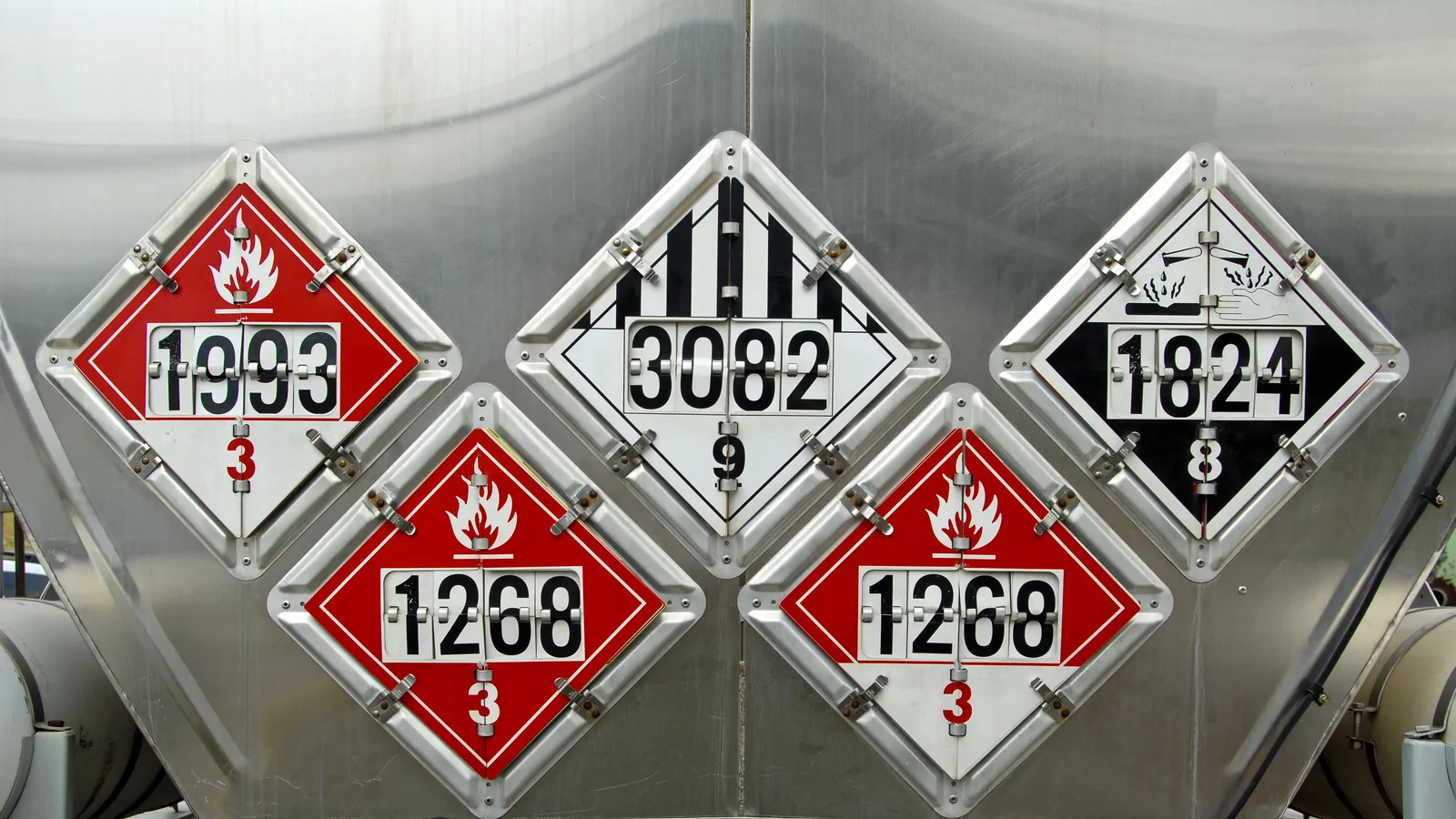
- The chemical product name and current Safety Data Sheet, with the DOT hazard class, UN number, and packing group from SDS Section 14.
- Loading and delivery locations with real receiving hours, plus any TWIC or site-specific check-in requirements.
- Required trailer specification, whether that is a DOT 407 chemical tanker, a DOT 412 corrosives tanker, a stainless trailer, or a lined trailer.
- Prior cargo restrictions and the tank wash or cleaning certificate the receiver will demand.
When this is complete upfront, carriers commit quickly. When it is missing, the careful carriers, the ones you actually want, pass first.
2. Present your freight as recurring volume
The most attractive chemical freight to any carrier is freight that repeats. Recurring volume means predictable revenue, a driver who already knows the loading rack and the plant's quirks, and far less coordination per load. Frame your shipping as an ongoing program, not a string of one-off spot moves. A carrier that knows it will haul your sulfuric acid lane every week will hold capacity for you when the market tightens, because your freight keeps its trucks earning. Even if your volume is genuinely sporadic, bundle what you can into predictable patterns: same lanes, same equipment, same paperwork. Predictability is what earns a place on a carrier's preferred-shipper list, and that list is the first place dispatch looks when capacity gets scarce.
3. Pay fairly and pay fast
Carriers care about two things above almost everything else: getting paid fairly and getting paid quickly. This is not a case for overpaying. It is a case for not grinding a good carrier to the last dollar on every load, then expecting priority the day capacity disappears. Tanker carriers carry higher insurance, specialized equipment, and drivers with the hazmat (H) and tanker (N) endorsements, and their cost structure reflects it. A shipper that pays a fair rate and settles invoices promptly becomes a customer the carrier protects. At Total Connection, we pay our carriers quickly and extend our shippers reasonable terms, which keeps your cash flow intact while keeping the carrier relationship healthy. Slow-pay shippers quietly drift to the bottom of every dispatcher's list.
4. Offer flexible pickup and delivery windows
The tighter your appointment windows, the fewer carriers can cover your load. A shipper that insists on a 6am to 8am pickup competes for drivers against every other chemical shipper who wants that same slot. Widening a two-hour window to four hours meaningfully expands the pool of carriers who can say yes, and it usually improves your rate at the same time. Flexibility matters most on the delivery end, where chemical receivers often run narrow hazmat unloading windows and limited rack time. When you can give a carrier a half-day delivery window instead of a single appointment, you remove the detention risk that makes dispatchers hesitate. Build slack into the schedule wherever the product and the receiver allow it.
5. Book as far in advance as you can
Chemical freight tendered two to four weeks out gives your broker time to match the load to the ideal carrier instead of the only available one. Advance booking also buys a safety net: if a carrier falls off a load 48 hours before pickup, a broker with lead time can replace it with an equally qualified, equally compliant carrier rather than scrambling for whatever truck is nearby. Plan your lead time around the equipment:
- Standard dry chemical and common tanker lanes: two to four weeks ahead.
- Heated, insulated, food-grade, or kosher-washed equipment: four to six weeks ahead.
- ISO tanks and specialized or oversized moves: six weeks or more, especially around port congestion.
Last-minute tenders cost more, cover slower, and leave you exposed if anything slips. The shippers who plan ahead are the shippers who are never stranded.
6. Stay reachable while the load is moving
Chemical freight moves through a changing environment. Receiving facilities shift schedules, equipment problems surface mid-transit, and a placarding or paperwork question can stop a truck at a scale house. When your broker or carrier needs a decision and cannot reach anyone with the authority to make it, small problems escalate into detention, missed appointments, and reconsignment fees. Name a backup contact who can make a logistics call when your primary contact is unavailable, and make sure that person can read an SDS and answer a basic compatibility question. The shippers whose loads move cleanest are the ones a dispatcher can always reach by phone.
7. Work with a specialized liquid bulk broker
A broker built around liquid bulk and hazmat keeps active relationships with vetted tanker carriers across every lane, and it knows which carrier runs which equipment where. When that broker posts your load, carriers give it attention, because they know the information will be accurate, the load will be compliant, and the payment will land on time. That reputation is an edge you do not have as a one-off shipper on a public load board. It also means one team can pick the right carrier for your product instead of forcing your freight onto whatever truck is sitting empty. If you still vet carriers yourself, start with how to find qualified chemical tanker trucks, then match the load to the right tanker equipment for your product.
What actually gets your freight covered
Getting chemical freight covered faster is not about paying the highest rate. It is about being the kind of shipper carriers want to work with: complete information, fair and prompt payment, realistic windows, and a broker who vouches for you. Total Connection has spent more than 30 years building those carrier relationships for 650+ shippers, backed by an OTI/NVOCC license, FMCSA broker authority under MC 280101, and $5M in general liability coverage, five times the industry standard of $1M. Call 732-817-0401 or request a quote to put that network to work on your next chemical lane.
Frequently Asked Questions
Why do liquid bulk carriers prioritize some shippers over others?
Carriers prioritize shippers who provide complete load information, maintain consistent volume, pay promptly, are responsive during transit, and have realistic scheduling expectations. These factors reduce operational risk and make the load more profitable.
How does a liquid bulk broker help get loads covered faster?
A specialized broker has pre-established carrier relationships and a reputation for reliable loads. When Total Connection posts a load, carriers know the information is accurate and payment will be prompt, which accelerates coverage.
What information should I provide to get chemical freight covered quickly?
Chemical product name, SDS sheet, DOT hazmat classification, origin and destination with hours, required equipment type, prior cargo restrictions, preferred shipping window, and your contact information for transit updates.
How far in advance should I book chemical freight?
Two to four weeks for most lanes. Specialty equipment should be booked 4-6 weeks ahead. Advance booking gives you access to the best carriers, best rates, and most contingency time.