
.png)
Chemical tanker trucks are hard to find, and getting harder. If you ship liquid chemicals, hazardous materials, food-grade liquids, or any other product that moves in a tanker, you've felt this pressure firsthand. Certified carriers are in short supply. Drivers with CDL hazmat endorsements are scarce. And the tanker equipment itself (stainless steel tanks, lined trailers, heated units) is expensive to purchase and maintain, which means fewer new operators entering the market.
The result is a structural imbalance: demand for qualified chemical tanker trucks consistently exceeds supply. And when carriers have market leverage, rates rise, service commitments soften, and shippers who haven't built strong carrier relationships find themselves scrambling.
Total Connection has been brokering liquid bulk chemical freight since 1995. Over 30 years, we've watched shippers navigate every kind of capacity market: tight, loose, and everything between. The ones who consistently get their loads covered, at reasonable rates, with reliable carriers, all share the same five habits.
For shipper-led capacity and hazmat-fluent execution on this freight, see Total Connection's liquid bulk and chemical logistics service.
1. Stop chasing the cheapest rate and build a reliable carrier network
This is the single most common mistake in chemical tanker freight. Shippers default to the lowest-cost carrier on every load, and then act surprised when service quality is inconsistent.
Cheap carriers cut corners. They may not maintain proper tank wash records. Their equipment might be marginal. Their drivers might not have the right endorsements for your specific product. You save $200 on the rate and lose $20,000 on a contaminated load.
The shippers who consistently get covered, even in the tightest markets, are the ones who build relationships with 3-5 reliable carriers on each lane. They pay fair rates. They provide consistent volume. And when every truck in the market is spoken for, those carriers make their freight the priority.
2. Be the shipper carriers want to work with
Carriers talk. Your reputation as a shipper directly affects your ability to find trucks. Here's what carriers care about: fast loading and unloading times (2 hours or less is the standard, and anything over 4 hours and carriers start avoiding your facility), clean and accessible loading racks, accurate product information and hazmat documentation ready before the truck arrives, prompt payment (Net 30 at most, Net 15 or quick pay makes you a preferred shipper), and reasonable detention policies.
If your facility has a reputation for 6-hour load times, missing paperwork, and Net 60 payment terms, you're going to pay a premium for every truck, if you can find one at all.
3. Provide complete and accurate load information upfront
Incomplete load information kills carrier interest. When a carrier or broker sees a load posting with vague product descriptions, missing hazmat details, or unclear loading requirements, they skip it. The risk of showing up with the wrong equipment or running into compliance issues isn't worth the uncertainty.
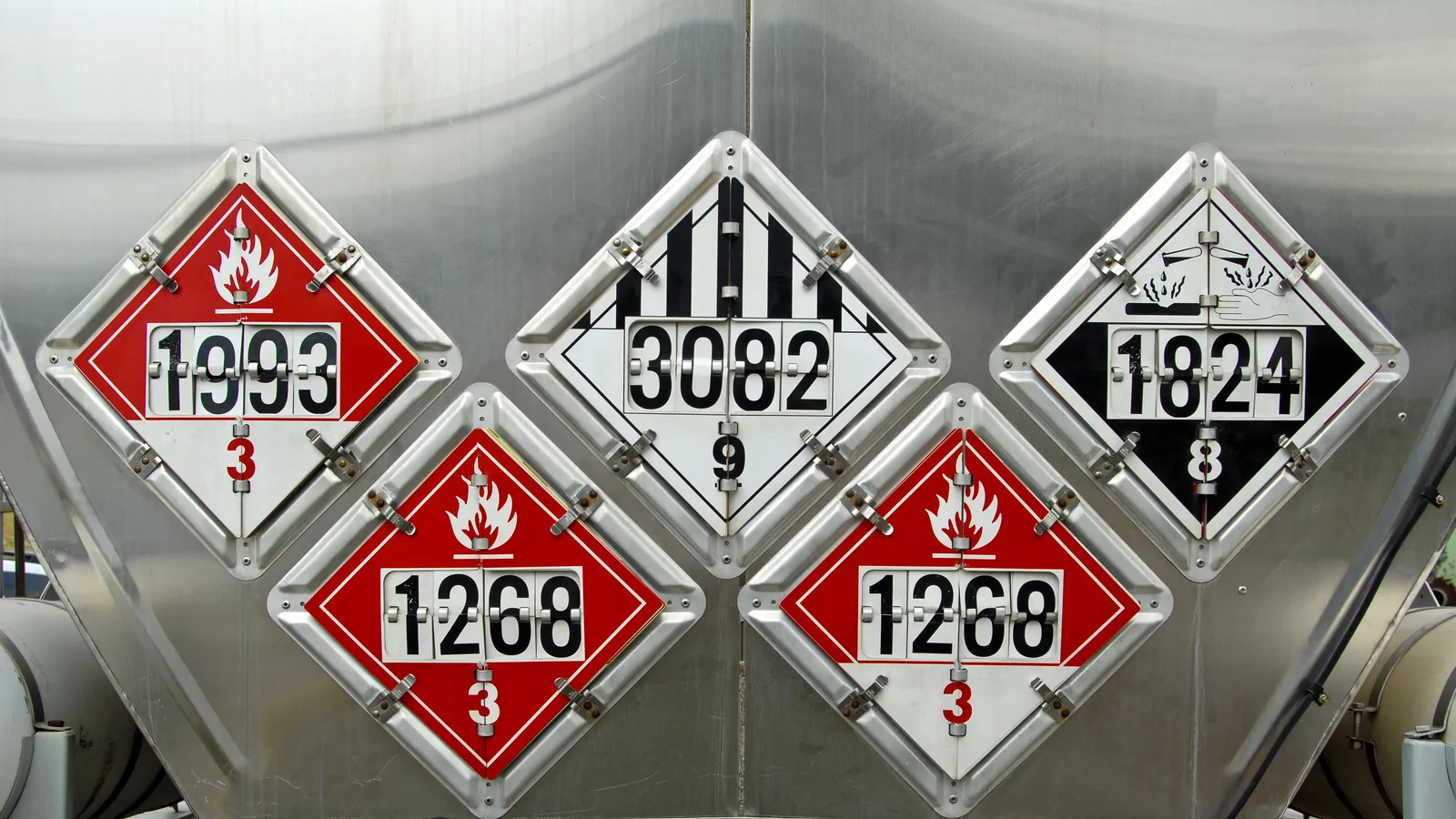
Every load tender should include exact product name and UN number (if hazmat), accurate weight and volume, specific equipment requirements (tank material, heating, insulation), loading and unloading method (top load, bottom load, pump-off, air-blown), tank wash requirements (kosher, dedicated, rinse only), pickup and delivery appointments (confirmed, not tentative), and any special handling requirements.
4. Plan ahead, stop booking everything as a hot shot
Last-minute freight is expensive freight. When you need a tanker truck tomorrow, you're competing with every other shipper who also waited until the last minute. Your leverage is zero, and you'll pay whatever the market demands.
The shippers who pay the best rates book 3-5 days in advance on routine lanes, provide weekly or monthly volume forecasts to their core carriers, schedule recurring shipments on a fixed calendar, and use contract rates for predictable volume instead of going to the spot market every time.
Planning ahead doesn't mean you'll never have urgent freight. It means your urgent freight is the exception, not the rule, and your carrier relationships are strong enough to cover you when emergencies happen.
5. Work with a liquid bulk specialist, not a generalist
General freight brokers handle tanker loads as an afterthought. They don't understand tank wash requirements, don't know which carriers have the right equipment certifications, and don't have relationships with the specialized tanker fleets that move chemical freight.
A liquid bulk freight specialist knows which carriers run which lanes with which equipment. They know which tank wash facilities are on each route. They understand hazmat compliance, product compatibility, and the operational details that make chemical tanker freight different from every other type of trucking.
Related reading
Bulk liquid transport companies, getting your chemical freight covered faster, and our liquid bulk transport equipment guide.
Total Connection has been that partner for chemical shippers since 1995. Our network of 30,000+ pre-approved tanker carriers covers every major chemical shipping lane in North America. Call 732-817-0401 or request a quote, we respond within minutes.
Frequently Asked Questions
Why are chemical tanker trucks so hard to find?
Chemical tanker trucks are specialized equipment, stainless steel or lined tanks that require regular maintenance, tank wash between loads, and DOT-compliant inspection cycles. Drivers need CDL hazmat endorsements. The cost of entry is high and regulatory requirements are demanding, which limits qualified operators in the market.
How far in advance should I book a chemical tanker truck?
For standard lanes, 2-4 weeks is ideal. For specialty equipment, heated tankers, food-grade trailers, rubber-lined tanks, 4-6 weeks gives you the best options. Last-minute bookings are possible but typically cost 15-30% more.
What is the difference between a chemical tanker carrier and a regular freight carrier?
A chemical tanker carrier specializes in liquid bulk transport with equipment built for chemicals, stainless steel tanks, vapor recovery systems, documented tank wash protocols. General freight carriers may own a tanker but lack the compliance infrastructure, wash records, and product knowledge required for safe chemical freight.
How much does it cost to ship chemicals by tanker truck?
Rates depend on lane, distance, chemical type, hazmat classification, required equipment, carrier capacity, and fuel surcharges. Unlike dry freight, tanker rates include deadhead miles to a tank wash facility. A specialized liquid bulk broker provides all-in quotes with no hidden charges.
Does Total Connection own chemical tanker trucks?
No, Total Connection is a licensed freight broker (MC# 280101) with a network of over 30,000 pre-approved tanker carriers. This gives customers access to far more capacity and equipment options than any single carrier fleet.
What should I look for in a chemical tanker freight broker?
Specialization in liquid bulk and chemical freight, a documented carrier screening process, years of chemical freight experience, 24/7 availability, and references from other chemical shippers who handle similar products.