
A blind shipment is a freight shipment where the shipper, the consignee, or both are hidden from each other on the shipping documents. The intermediary, typically a broker, distributor, or trading company, arranges the shipment so that the original supplier and the end buyer don't learn each other's identity.
Blind shipping is a legitimate and common business practice used to protect supplier relationships, prevent disintermediation, and maintain competitive pricing confidentiality.
How blind shipments work
Single blind
In a single blind shipment, either the shipper or the consignee is hidden, but not both. The most common scenario: a distributor buys from a manufacturer and sells to an end customer. The distributor arranges shipping so the end customer's bill of lading shows the distributor as the shipper, not the manufacturer. The customer doesn't know who the original manufacturer is.
Double blind
In a double blind shipment, both the shipper and the consignee are hidden from each other. The manufacturer doesn't know who the end buyer is, and the end buyer doesn't know who the manufacturer is. Both see only the intermediary on their respective documents. This requires two sets of shipping documents, one for pickup (showing the intermediary as consignee) and one for delivery (showing the intermediary as shipper).
When to use blind shipments
Protecting supplier relationships. You don't want your customer buying directly from your supplier, cutting you out. Blind shipping keeps your supplier's identity confidential.
Protecting customer relationships. You don't want your supplier selling directly to your customer. Blind shipping keeps your customer's identity confidential.
Pricing confidentiality. Your customer doesn't see what you paid for the product; your supplier doesn't see what you're charging. Both see only what you want them to see on the documentation.
Brand management. White-label and private-label products often ship blind so the end customer sees the brand owner, not the contract manufacturer.
Document requirements for a clean blind shipment
The bill of lading is where blind shipments succeed or fail. For a single blind, the BOL the consignee receives must show the intermediary in the "Ship From" field, even though the freight is physically picked up at the manufacturer's location. For a double blind, the broker prepares two BOLs:
- Pickup BOL. Shows the actual shipper (manufacturer) as origin and the broker as the consignee. The driver presents this at the pickup facility.
- Delivery BOL. Shows the broker as the shipper and the actual consignee (customer) as destination. The driver presents this at delivery.
The freight itself must be scrubbed of identifying information. Packing slips inside the cartons need to show the broker's name, not the manufacturer's. External labels can't reveal the origin. If the product has manufacturer markings molded or printed into the packaging, the blind is much harder to maintain, and the broker needs to flag that early.
Driver communication and pickup protocols
A blind shipment fails most often at the pickup or delivery point, not in the documents. A driver who casually mentions where the load came from can blow a double blind in 30 seconds. Standard practice:
- The carrier is briefed before dispatch that the load is blind. Driver instructions are flagged on the load tender.
- The driver is given only the BOL relevant to each leg, not the full chain of documents.
- If asked by the consignee about origin, the driver responds that the broker is the shipper and refers questions back to the broker.
- Any in-cab paperwork (manifest, pickup receipts) that names the actual origin or destination stays in the cab.
Experienced freight brokers maintain driver lists for blind work specifically because drivers who routinely handle blind freight understand the protocol. A broker who treats blind shipments as a standard FTL is the broker most likely to leak.
Blind shipments for chemical and hazmat freight
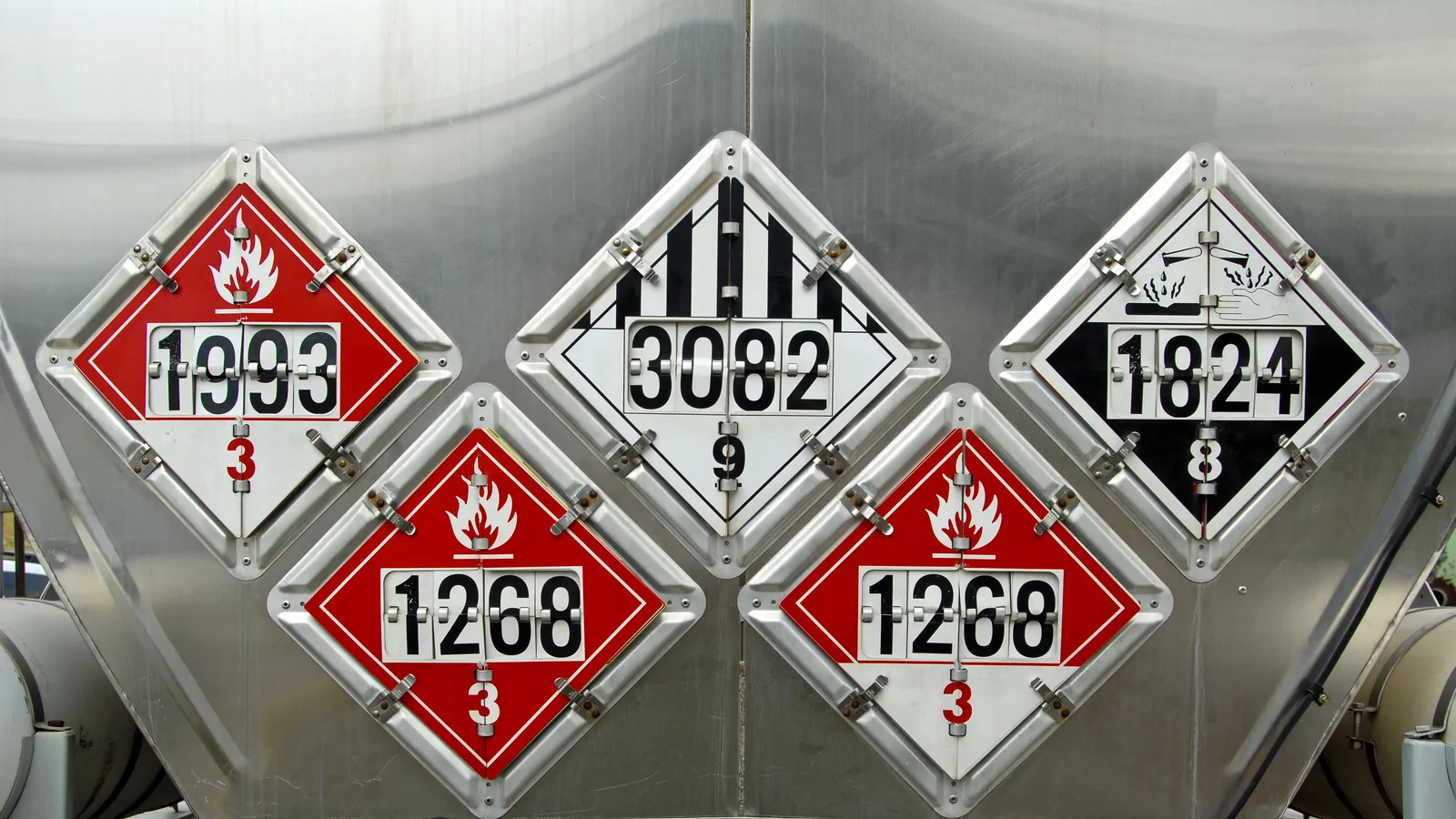
Hazmat blind shipments have a wrinkle: the proper shipping name, UN number, hazard class, and packing group must appear on the BOL per 49 CFR 172.202. You can blind the company name, but you can't blind the chemical identity. The Safety Data Sheet still travels with the load (per OSHA HazCom and DOT requirements). For chemical distributors and traders, that usually means the consignee will know what they're receiving, but won't know the original manufacturer.
The other consideration: facilities receiving hazmat have to confirm the product matches their permit and storage capabilities. If the consignee normally receives Class 3 flammables and the blind BOL accurately shows that, no problem. If the broker tries to obscure the hazard description to maintain the blind, that's a 49 CFR violation and a refused load.
International blind shipments and customs implications
Cross-border blind shipments add a layer of complexity that domestic blinds don't have. The customs entry filed at the port of import shows the manufacturer of record, the country of origin, and the actual product information, this data has to be accurate for customs purposes. A consignee in the US who receives an imported product can almost always find out the country of origin and often the manufacturer through publicly available customs data services (PIERS, Datamyne, ImportGenius).
For air freight blind shipments, the master air waybill (MAWB) and house air waybill (HAWB) structure provides a natural blind capability. The intermediary's freight forwarder issues the HAWB showing only the broker, while the MAWB to the airline shows the consolidator. For ocean freight, the master BOL / house BOL structure works the same way through an NVOCC.
Bottom line for international blind shipments: domestic blinds can be tightly maintained, international blinds are partially defeated by published customs data, and shippers planning international blinds should know this before committing to the model.
Cost considerations
Blind shipments typically run 5-15% above a comparable non-blind FTL or LTL rate. The premium covers the additional documentation work, the driver dispatch protocols, and the broker's time managing both ends of the document chain independently. For high-stakes blind work (sensitive M&A activity, contract manufacturing for major brands, exclusive distribution arrangements), the premium can run higher.
The math usually still favors blind shipping for any business model that depends on intermediation. The cost of a customer learning your supplier's identity, and going direct to that supplier, is almost always orders of magnitude higher than the freight premium.
Logistics considerations
Blind shipments require careful document management. The bill of lading must show the correct parties for each leg without revealing the hidden party. The driver must be instructed not to disclose origin or destination information. Any packing slips, invoices, or labels on the freight must be consistent with the blind arrangement, no manufacturer labels visible to the customer.
A single documentation mistake can blow the blind, a packing slip with the manufacturer's name, a driver who mentions the pickup location, or a BOL that shows the wrong party. This is why blind shipments should be handled by a broker with experience managing them.
How Total Connection handles blind shipments
We manage single and double blind shipments with the documentation discipline and driver communication protocols that prevent identity leaks. Our team understands the document chain, coordinates with both parties independently, and ensures the blind is maintained throughout the shipment. For chemical distributors managing blind shipments under hazmat constraints, we coordinate the BOL preparation, hazmat documentation, and carrier briefing so the blind survives both the pickup and the delivery.
If you need related freight services, our truckload and LTL services handle most blind shipment volume; our bills of lading explainer covers the document mechanics in more detail; and our liquid bulk freight broker overview explains why broker-managed shipments offer protection that direct carrier relationships don't.
Call 732-817-0401 or request a quote.
Frequently Asked Questions
What is a blind shipment?
A freight shipment where the shipper, consignee, or both are hidden from each other on shipping documents. The intermediary appears on the documents instead of the actual origin or destination party.
What's the difference between single and double blind?
Single blind hides one party (either shipper or consignee). Double blind hides both, the manufacturer doesn't know the buyer and the buyer doesn't know the manufacturer.
Is blind shipping legal?
Blind shipping is fully legal and a standard practice in freight logistics. It's used throughout the supply chain to protect commercial relationships, supplier exclusivity, and pricing confidentiality between trading partners.
Does Total Connection handle blind shipments?
Total Connection manages single and double blind shipments routinely. We handle the documentation protocols, BOL preparation, and driver communication required to maintain confidentiality through pickup, transit, and delivery.