
Dunnage is any material used to protect cargo during transportation. It fills voids, cushions impacts, separates layers, prevents shifting, and absorbs vibration. Without proper dunnage, freight moves, collides, and gets damaged during transit, and damage claims follow.
The term comes from the days of wooden sailing ships when loose wood was used to protect cargo in the hold. Today, dunnage encompasses everything from air bags and foam blocks to custom-engineered crating systems, but the purpose is the same: keep the freight from getting damaged between pickup and delivery.
Types of dunnage
Air bags (dunnage bags). Inflatable bags placed between cargo to fill voids and prevent shifting. The most common type for containerized and truckload freight. Quick to deploy, reusable in some cases, and effective at preventing lateral movement.
Foam. Polyethylene and polyurethane foam blocks, sheets, and custom shapes that cushion impacts and absorb vibration. Used for fragile, sensitive, and high-value freight.
Wood. Lumber, plywood, and pallets used to create platforms, separators, and blocking structures. The oldest form of dunnage and still widely used for heavy and industrial freight.
Corrugated cardboard. Sheets, pads, and corner protectors made from corrugated material. Cost-effective protection for moderate-weight freight and surface protection against scratching and abrasion.
Kraft paper. Crumpled or layered paper used to fill voids and provide light cushioning. Common for filling small gaps in palletized loads.
Custom-engineered dunnage. Foam inserts cut to product shape, molded pulp packaging, and custom crating designed for specific items. Used for high-value, fragile, or precision equipment where standard dunnage isn't sufficient.
How to choose dunnage by freight type
The right dunnage depends on weight, fragility, and how the freight will move during transit. Match it wrong and you either overspend on protection you didn't need, or under-protect freight and pay for a damage claim instead.
| Dunnage type | Best for | Working load range | Reusable | Cost |
|---|---|---|---|---|
| Level 1 dunnage bag | Light void fill in dry vans, LTL pallet loads | Up to 4,500 lb restraint force | Sometimes | $3-$8 each |
| Level 3 dunnage bag | Containerized truckload freight, palletized chemical drums | Up to 28,000 lb restraint force | Sometimes | $10-$18 each |
| Level 5 dunnage bag | Rail freight, heavy industrial | Up to 60,000+ lb restraint force | Yes (with inspection) | $25-$45 each |
| Wood blocking | Heavy machinery, oversized equipment, breakbulk | Designed per load | No (cut to fit) | Material + labor |
| Foam insert | Electronics, instruments, fragile high-value | Per design | No | $$-$$$ (custom) |
| Load bars / cargo bars | Securing partial loads, preventing forward shift | 800-2,500 lb per bar | Yes | $30-$60 per bar |
Dunnage bags are rated to AAR M-1002 standard (Association of American Railroads). A Level 3 bag is the most common choice for ISO container and dry van applications carrying palletized chemical product. For rail and heavy industrial transport, Level 4 or 5 is standard.
Dunnage standards and load securement regulations
Cargo securement on the road isn't optional. The Federal Motor Carrier Safety Administration governs it under 49 CFR 393.100 through 393.136, and the working load limit of all securement devices combined must be at least half the weight of the cargo being secured. Specific commodity types have their own rules: 49 CFR 393.130 covers heavy vehicles and equipment, 393.132 covers metal coils, and 393.136 covers automobiles.
For rail, AAR Pamphlet 36 specifies dunnage requirements for boxcars and intermodal containers. For ocean freight, the CTU Code (IMO/ILO/UNECE Code of Practice for Packing of Cargo Transport Units) sets the international standard. None of these are suggestions. A DOT roadside inspection that finds improperly secured cargo can result in an out-of-service order and a fine.
Dunnage for chemical and hazmat freight
Chemical shippers run into dunnage requirements that don't exist for general dry freight. The big ones:
- Drum and IBC stability. 55-gallon steel drums weigh roughly 500 lb full. A pallet of four drums needs both top-load stability (no stacking that exceeds drum compression rating) and lateral restraint. Level 3 dunnage bags between pallet rows are standard. For IBCs, dedicated IBC restraint systems prevent the tote from rocking.
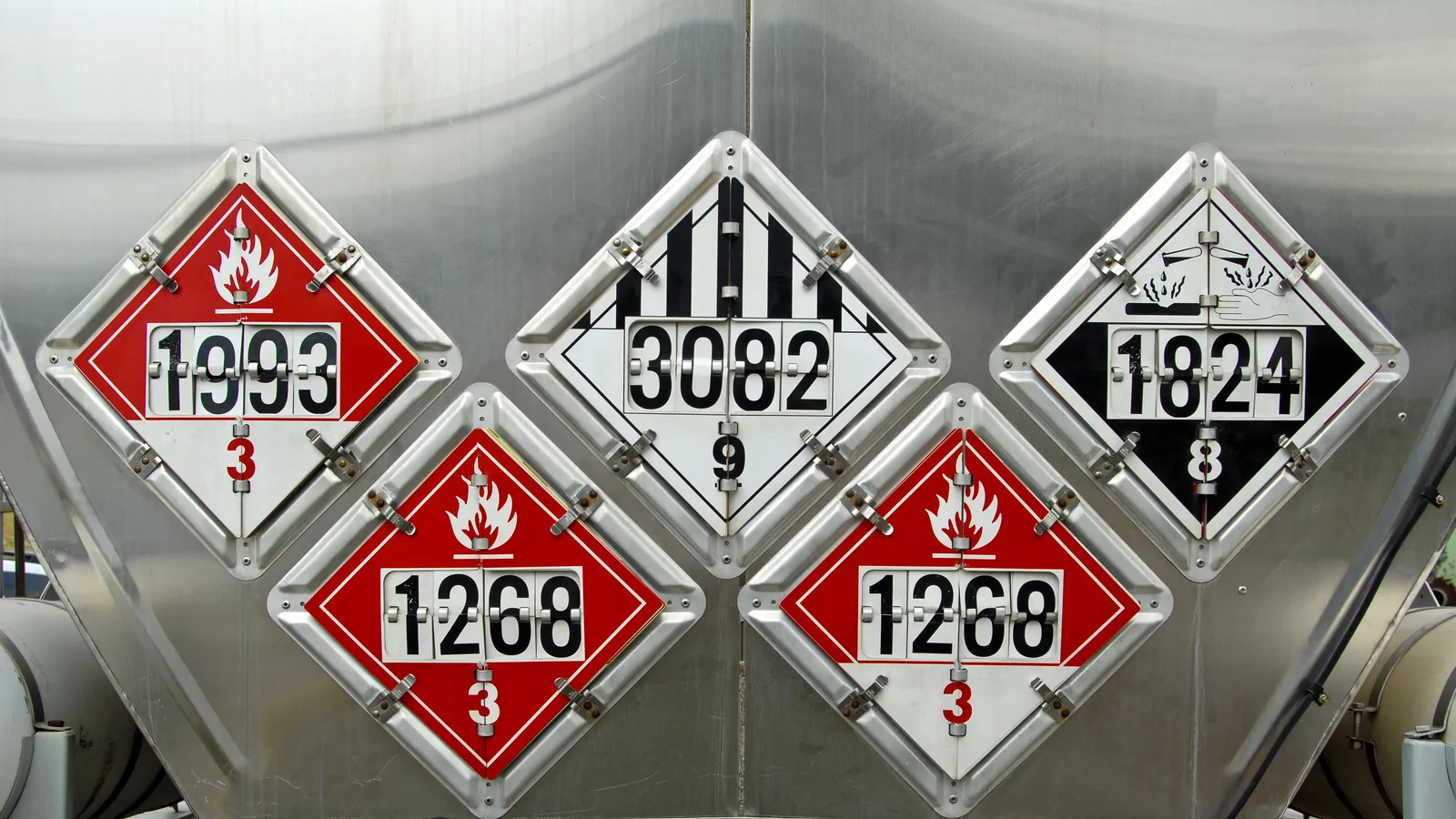
- Segregation per 49 CFR 177.848. Hazmat cargo with incompatible hazard classes can't be loaded in the same vehicle without physical separation. Dunnage is one of the tools used to create that separation, but only when the hazmat segregation table explicitly allows separation by partition rather than separate vehicle.
- Absorbent dunnage for liquid packaged goods. Class 3 flammable liquids and Class 8 corrosives in packaged form (drums, jerricans, totes) often require absorbent material at the floor of the trailer to contain a release if a package leaks in transit. Vermiculite and oil-dry are common.
- No wood dunnage for certain food-grade cargo. When chemical freight ships in the same equipment that previously carried food-grade product, untreated wood dunnage can introduce contamination. Plastic or recyclable engineered dunnage is preferred.
Best practices
Fill all voids. Empty space is where damage happens. Use load bars and dunnage bags to secure the top, sides, and rear of the load. Match the dunnage to the freight: heavy industrial equipment needs wood blocking, electronics need foam cushioning, and palletized goods need corner protectors and stretch wrap. For containerized ocean freight, account for the pitching and rolling of the vessel, forces that don't exist in truck-only shipping.
Inspect dunnage on every load. Reused dunnage bags develop pinholes and seam failures, and a deflated bag mid-transit is worse than no bag at all because the cargo gets a running start before it hits the next surface. Wood that's been crushed once is no longer rated for its original load.
Common dunnage mistakes that lead to damage claims
- Underrated bags. Using a Level 1 bag for a load that needs Level 3 or Level 4. The bag bursts in transit and the cargo shifts.
- No top-load restraint. Stacked pallets aren't restrained from above. The top layer walks forward during braking and falls.
- Skipping the rear door restraint. The freight against the doors has nothing behind it. When the doors open at delivery, freight falls out. Common, expensive, and preventable with a load bar.
- Mixing incompatible dunnage. Wood blocks against fiberboard drums concentrate force and crush the drums. Foam between wood blocks compresses and lets the load shift.
- No inspection before sealing the trailer. Once the doors are closed and the seal is on, no one will see the load again until delivery. The five minutes spent confirming dunnage is the cheapest insurance on the shipment.
Who supplies the dunnage
Responsibility for dunnage depends on the mode and the load type. For full truckload, the shipper is normally expected to provide dunnage as part of loading. The carrier provides the trailer, load bars, and basic securement; the shipper provides void fill, blocking, and any specialty cushioning the freight requires. For LTL, the LTL carrier typically provides standard load bars and may charge for additional dunnage. For containerized ocean freight, the shipper provides dunnage when loading the container at origin; the steamship line provides only the empty container.
This division matters because mistakes here are billed back. A truck driver who arrives at pickup expecting the shipper to dunnage a load and finds nothing prepared either waits (detention charges) or refuses the load (re-dispatch costs). The cleanest practice is to confirm dunnage responsibility on the load tender before pickup.
How Total Connection advises on cargo protection
We coordinate dunnage and load securement as part of our chemical freight management and drayage services, particularly for shippers moving palletized drums, IBCs, and packaged dangerous goods where the wrong securement turns into a damage claim or a DOT violation. We also help shippers file freight claims when damage does occur, and advise on the documentation that determines whether the claim is paid. For liquid bulk shipments where dunnage doesn't apply, we coordinate tanker loading and unloading with the carriers and facilities directly.
Preventing damage is always cheaper than filing claims. Call 732-817-0401 or request a quote.
Frequently Asked Questions
What is dunnage?
Material used to protect cargo during shipping, air bags, foam, wood, cardboard, paper, or custom solutions that fill voids, cushion impacts, and prevent cargo from shifting during transit.
Why is dunnage important?
Most freight damage is caused by cargo movement during transit. Dunnage prevents shifting, cushions impacts, and separates freight, eliminating the primary causes of damage claims.
What type of dunnage should I use?
Match to your freight: air bags for void fill in truckload and container shipments, foam for fragile items, wood blocking for heavy industrial freight, and corrugated protectors for surface-sensitive products.
Is dunnage required for ocean freight?
Not technically required by regulation, but strongly recommended. Ocean containers experience pitching and rolling forces that don't exist in truck-only shipping, making proper dunnage even more important for ocean freight.