
Choosing between 55-gallon drums and 275- or 330-gallon IBCs for a chemical export order depends on ocean freight cubic pricing, the receiving country's unloading equipment and how customs values the shipment, not just the packaging used domestically. A drum built to 49 CFR 178.504 carries a tare weight of roughly 40 to 50 pounds, while an IBC built to 49 CFR 178.705 runs 130 to 140 pounds empty and holds the volume of five to six drums. A logistics manager who defaults to whatever left the plant floor often pays more on the ocean leg or hands the receiver a container nobody on that dock can lift.
Drum vs IBC: The Core Trade-off for Export Packaging
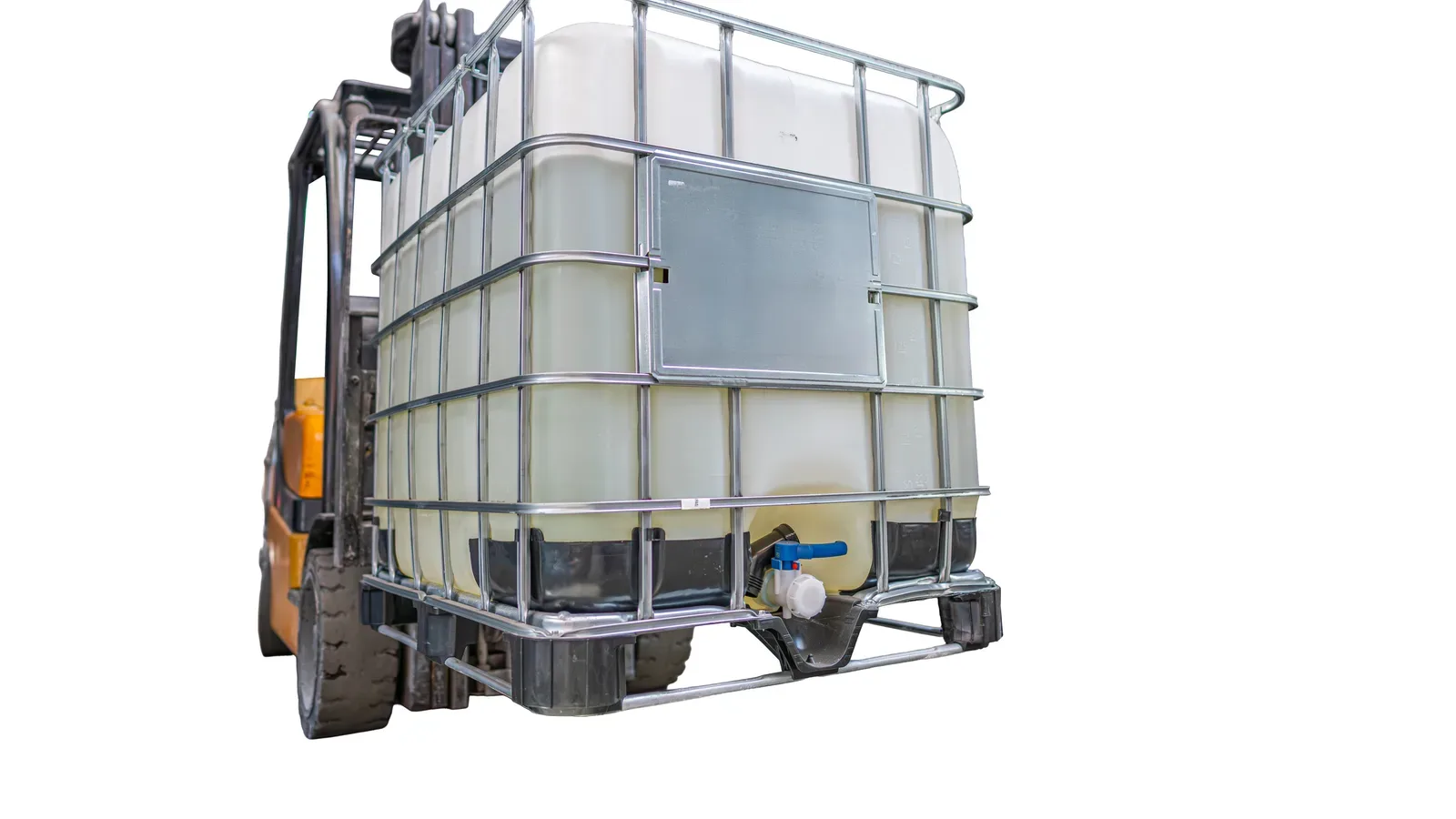
A 55-gallon steel or plastic drum and a 275- or 330-gallon composite or plastic IBC solve the same problem, holding a liquid or semi-solid chemical for transit, but they behave differently the moment the freight leaves the shipper's dock. Drums are modular, palletize in standard configurations, and are available UN rated across the packing groups assigned under 49 CFR Part 173, which keeps options open when the hazard classification is severe. IBCs move more product per pallet position and cut the number of individual units a crew touches, but they need mechanical lifting at both ends of the move and a cage and valve that survive transshipment.
The export variable domestic shippers rarely weigh is how the ocean carrier prices the space. A drum program built for truckload moves inside the United States does not automatically translate to the best economics on an LCL booking. The right call comes down to three answers: how the ocean leg is priced, what equipment sits at the receiving dock, and what packing group the product carries. Those answers change lane by lane, which is why the packaging decision belongs with the booking decision rather than with the plant that filled the containers weeks earlier.
Capacity, Tare Weight and Ocean Cubic Pricing
Standard drum specs
A standard drum built to 49 CFR 178.504 specifications holds 55 gallons and carries a tare weight of roughly 40 to 50 pounds depending on gauge and material. Drums palletize in standard configurations, and UN-rated versions exist for Packing Groups I through III, which matters when the product sits at the severe end of its hazard class.
Standard IBC specs
A composite or plastic IBC built to 49 CFR 178.705 specifications typically holds 275 or 330 gallons with a tare weight around 130 to 140 pounds. One IBC replaces five to six drums by volume, which counts directly when ocean freight for less-than-container loads is priced on cubic measurement or weight, whichever produces the higher revenue ton for the carrier.
| Factor | Drums (55-gal) | IBC (275-330 gal) |
|---|---|---|
| Capacity per container | 55 gallons | 275 or 330 gallons |
| Tare weight | 40 to 50 lbs each | 130 to 140 lbs each |
| Best fit for cube pricing | Weight-heavy, low-cube products | High-volume, cube-sensitive lanes |
| Destination handling need | Drum dolly or hand truck often sufficient | Forklift or pallet jack rated for the load |
On a lane priced by cube, consolidating into fewer, larger containers lowers the freight bill per gallon. On a lane priced by weight, or where the product is dense enough to hit the weight break first, drums may already be the efficient unit and repacking into IBCs only adds tare.
Destination Handling Equipment and Receiver Capability
The packaging decision does not end at the port of loading. A receiver without a forklift or a pallet jack rated for a fully loaded IBC cannot get the unit off the truck, and that shows up as demurrage, extended dwell time or a rehandling fee nobody budgeted. Drums move with a hand truck, a drum dolly or a crew when mechanical equipment is not available, which is why they stay the default into facilities the shipper has never seen.
Before committing an export order to IBCs, confirm the receiver's dock capability in writing. A few questions settle it:
- Does the receiving facility have a forklift or pallet jack rated for the loaded weight of a full IBC, and is it available the day the container arrives?
- Is the destination a mechanized terminal, or a smaller inland plant that unloads by hand at a dock-height door?
- Has the receiver taken IBCs from this supplier before, or is this the first shipment in that format?
- Who returns or disposes of the empty containers, and does that plan match the IBC backhaul arrangement on the booking?
When any of those answers is uncertain, drums remain the safer call even if the cube math slightly favors IBCs. One rehandling event at destination usually costs more than the consolidation saved on the booking.
Damage Risk and Freight Claims on the Export Leg
Packaging choice also shapes how a shipment rides through transshipment and repeated handling. IBCs concentrate more product into one container, so a punctured bottle, a sheared cage weld or a valve knocked off by a forklift mast produces a far larger loss event than the same failure on one drum out of a pallet load. Drums spread the risk, and a damaged unit in a stack is a partial loss rather than a total one.
Dunnage and bracing differ as well. IBCs need corner protection and load bars so they cannot walk inside the box, while drums ride on pallets with strapping and stretch wrap. Drum closures should be torqued and seal-checked before the doors close, because a weeping bung on a Class 8 product will find the floor of the container and whatever is stowed next to it. Whichever format is chosen, the packing list and bill of lading should record the dunnage method used, since that documentation is the first thing the carrier and the insurer ask for. Shippers working through a loss after an ocean move should review how to file a chemical freight claim before the survey window closes.
Customs Valuation and Documentation Considerations
Packaging format rarely changes the HS classification of the chemical, since classification follows the product rather than the container. It does affect the freight-inclusive declared value on a CIF or CFR sale, because packaging and dunnage costs are generally rolled into the value declared at entry. A repack from drums into IBCs adds a labor and materials line that belongs on the commercial invoice rather than buried in the unit price.
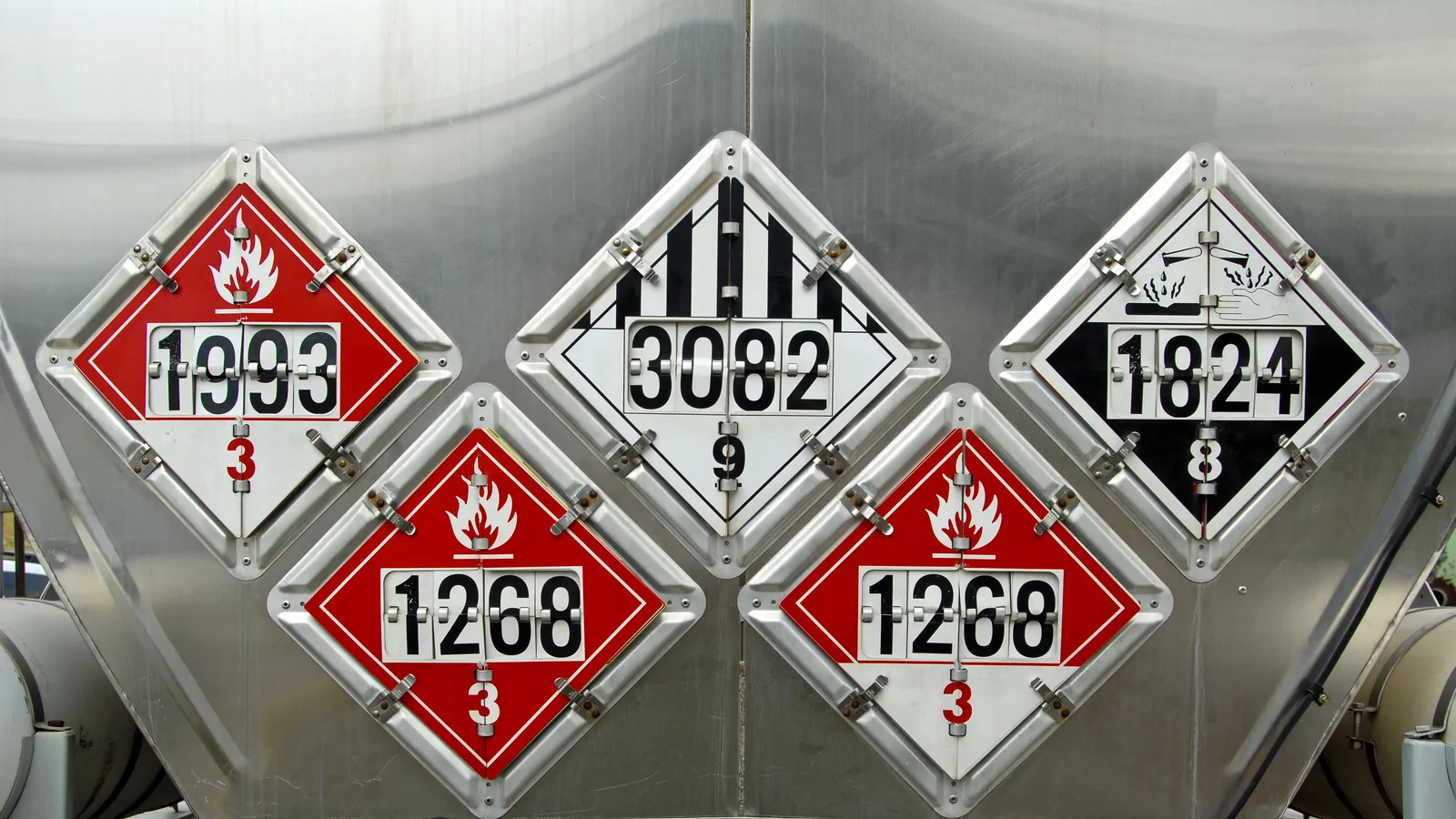
Documentation should also confirm the packaging carries the correct UN certification marks for the product's packing group under 49 CFR Part 173, and that the marks match the dangerous goods declaration filed for the IMDG stow. Compliance checks at the load port flag a mismatch fast, and paperwork corrections delay a booking longer than the packaging decision ever will.
Check the following against the containers actually staged on the dock:
- The UN marking on each drum or IBC matches the packing group shown on the shipper's declaration for dangerous goods.
- The commercial invoice reflects packaging and dunnage cost when the sale term rolls freight into declared value.
- The packing list states exact count, capacity and tare weight so the carrier can verify gross weight.
- The HS code stays consistent across invoice, packing list and bill of lading.
For the wider paperwork set, see chemical customs entry and documentation compliance.
Repack Before Export or Ship As Packed: A Decision Framework
When to repack into IBCs
Repacking into IBCs before the ocean leg makes sense when the lane prices by cube rather than weight, the receiver has confirmed forklift or pallet jack capability, and the product's packing group allows a UN-rated IBC without derating the hazard classification. The labor and materials cost of repacking gets weighed against the freight savings on that specific lane, never assumed as a blanket rule across a program.
When drums as-packed make more sense
Shipping as-packed in drums holds up when the product is dense enough that weight drives the rate, when the receiver's handling equipment is unconfirmed or limited, or when the packing group requires a UN-rated drum with no equivalent IBC rating authorized for that hazard class.
Repacking works in either direction, but the new container has to carry the UN certification and packing group rating the product requires, and the work adds a handling step, a staging location and cost before the shipment reaches the port. Build that step into the transit plan rather than discovering it the week the vessel cuts off.
Get Your Export Packaging Decision Reviewed
The right packaging call on a chemical export order comes down to the lane's pricing method, the receiver's handling capability and the product's packing group, not the format the plant happened to use domestically. A drum program sized for a domestic truckload lane can cost more per gallon on a cube-priced LCL booking, and an IBC program can strand product at a receiver with no forklift on arrival day. Both outcomes are avoidable with one conversation before the booking goes out.
Total Connection handles this decision inside the same liquid bulk service line that runs tank wash programs, drum export and IBC backhaul arrangements, and the same team carries the shipment through the inland truckload leg, the drayage, the ocean booking and the customs entry.
For the wider picture on how liquid bulk shipments are equipped and moved, see the complete guide to liquid bulk freight, and compare the bulk alternatives in ISO tank vs flexitank when the order is large enough to skip packaged goods entirely. Total Connection's liquid bulk and chemical logistics team can review a specific export lane and packaging plan. Get a quote at /quote?mode=liquid-bulk.
Is it cheaper to ship chemicals in drums or IBCs for export?
It depends on how the ocean leg is priced. IBCs often reduce per-gallon freight cost on lanes priced by cubic measurement because they consolidate more volume into fewer container units, but their higher tare weight can erase that advantage on lanes priced by weight or for dense products.
Do IBCs need to be UN rated for export chemical shipments?
UN rating is required when the product is classified as hazmat under 49 CFR Part 173, and the IBC must match the packing group assigned to that chemical. Non-hazmat products have more flexibility and can often move in standard commercial-grade IBCs without a UN certification requirement.
Can I repack drums into an IBC before export?
Repacking from drums into an IBC is possible, but the new container must carry the correct UN certification and packing group rating for the product. This adds a handling step, labor cost and time before the ocean leg, so it should be weighed against the freight savings on that specific lane.
How does packaging choice affect customs valuation on export?
Packaging cost is generally included in the declared value on a freight-inclusive shipment, so a repack from drums to IBCs adds a line item to the commercial invoice. Drum versus IBC choice rarely changes the HS classification of the chemical itself, since classification follows the product rather than the container.
What happens if the receiver can't handle IBCs at destination?
Without a forklift or a rated pallet jack, a loaded IBC becomes difficult or impossible to unload safely, which can lead to demurrage, extended dwell time or added rehandling fees. Confirming the receiver's equipment before choosing IBCs avoids this problem entirely, and drums remain the more universally handled option when that equipment is uncertain.