
A multi-supplier chemical consolidation point is a transload or terminal location where partial shipments from two or more suppliers of the same product combine into a single full truckload or tank car. Instead of three suppliers each shipping a partial load straight to the buyer's plant, the material routes through one dock, combines into a DOT 407 or DOT 412 trailer at the volumes those specs allow, and moves as one shipment from there.
This is a variation on transloading in the chemical supply chain, applied to the sourcing side rather than the delivery side. The buyer is not splitting one order across modes. The buyer is combining several suppliers' partial orders into one movement so nobody pays a partial-load rate across the whole lane.
What a Multi-Supplier Consolidation Point Is
The mechanics are simple on paper and harder on a dock. Three suppliers ship the same product and the same grade, and none of them has enough volume to fill a trailer alone. A full liquid bulk truckload typically runs 4,000 to 6,000 gallons depending on product density and whether the trailer is a DOT 407 or DOT 412 spec. Routed separately, every one of those shipments pays a partial-load premium across the full length of the lane. Routed through a consolidation point, they combine into one trailer and the line-haul leg moves at full-load economics.
The consolidation point itself can be a terminal, a transload facility, or a dock Total Connection arranges near the supplier cluster. What makes it work is proximity to the suppliers, tank or storage capacity matched to the product, and a documented process for confirming that the material being combined is compatible with whatever moved in that tank last, before any of it touches the same trailer. Without that last piece, a consolidation point is just a place where three problems meet.
Why Split-Supplier Sourcing Raises Freight Cost
Partial Load Economics
A carrier prices a full truckload per mile on the assumption that the trailer is full. A partial load still ties up the trailer, the driver's hours and the slot on the dispatch board, so it prices closer to a full-load rate even though the buyer is moving a fraction of the capacity. Three partial shipments from three suppliers on the same lane can cost more in total than one consolidated full load, before anyone counts the extra stops.
Handling and Fee Stacking
Every additional origin adds handling, documentation and usually a stop-off charge from the carrier. Demurrage and detention accrue when a consolidation point's dock or rail siding cannot turn a partial load inside its scheduled window, which happens more often when three suppliers each work to their own pickup calendar instead of one coordinated window. None of this is visible on a single supplier's freight invoice. It shows up in the buyer's landed cost only after all three shipments are added together, which is why split sourcing usually looks cheaper than it is until someone totals the quarter.

How to Evaluate a Candidate Consolidation Point
Proximity to Suppliers
A consolidation point only saves money if it sits inside a reasonable drayage radius of every contributing supplier. If one supplier sits three hours farther out than the rest, that inbound leg can eat the savings from combining the loads at all.
Tank Wash and Previous-Cargo Compatibility
Previous-cargo rules for ISO tanks and tank trailers require documented compatibility between the prior product and the next load before a tank can be reused without a dedicated wash. Combining material from several suppliers requires a tank wash between incompatible previous cargoes under the carrier's or terminal's written compatibility chart, even when the product being loaded now is identical for all three suppliers. Skip that step and the receiving plant rejects the load on an SDS or quality hold.
Lead Time and Synchronized Pickup
Consolidation works only when supplier production and shipping schedules line up closely enough that early material is not sitting in storage waiting on the slowest supplier to finish a batch.
Before committing to a consolidation point, run it through a short checklist:
- Confirm the point sits within an efficient drayage radius of every contributing supplier, not just the largest one.
- Get the written previous-cargo compatibility chart for the tank or storage the point will use, not a verbal assurance.
- Verify the dock or siding schedule can turn three inbound partial loads within the same shift or day.
- Confirm hazard class, packing group and placarding requirements are identical across every supplier's material.
- Check that the terminal or transload operator has capacity reserved, not shared first-come with other customers' freight.
Consolidation Point vs Direct Shipment vs Synchronized Pickup
Three approaches solve the split-supplier problem differently, and the right one depends on volume per supplier, distance between supplier sites, and whether the product can share a tank without a wash in between. The distinction matters the same way transloading differs from cross-docking: one holds and recombines the product, the other only moves it across a dock.
| Approach | Best fit | Main cost driver |
|---|---|---|
| Consolidation point | Three or more suppliers, each with sub-truckload volume, within reasonable drayage distance of one dock | Terminal transload and tank wash fees, offset by a full-load line-haul rate |
| Direct shipment, no consolidation | Few suppliers, or widely separated supplier sites where drayage to a shared point costs more than it saves | Partial-load premium paid on every separate shipment |
| Synchronized supplier pickup | Suppliers clustered close enough that one carrier can run a multi-stop route without a transload stop | Multi-stop routing and scheduling coordination, no terminal fee |
Read the table as a starting point rather than a verdict. Volume per supplier is the first filter: when one supplier covers most of the order and the others contribute a drum's worth each, a consolidation point adds handling for very little gain. Distance between supplier sites is the second, because every inbound leg into the point is a paid move and those legs compound when suppliers sit in different states. Previous-cargo compatibility is the third, and it decides whether a wash sits between each supplier's material or none of it does.
The answer also changes over time. A supplier footprint that justified a transload stop last year can shift toward synchronized pickup once one supplier's volume grows enough to fill a DOT 407 or 412 trailer on its own, or once a terminal opens closer to the cluster. Review the comparison whenever supplier volumes, grades or plant locations move.
Common Mistakes Shippers Make When Consolidating
Consolidation programs that fail tend to fail for the same handful of reasons, and every one of them is avoidable with setup work before the first load moves:
- Assuming any terminal that handles the product class can host the consolidation, without checking its specific previous-cargo and wash capability for this exact product.
- Setting supplier pickup windows independently instead of synchronizing them, which leaves early material sitting in storage and accruing demurrage while the last supplier finishes.
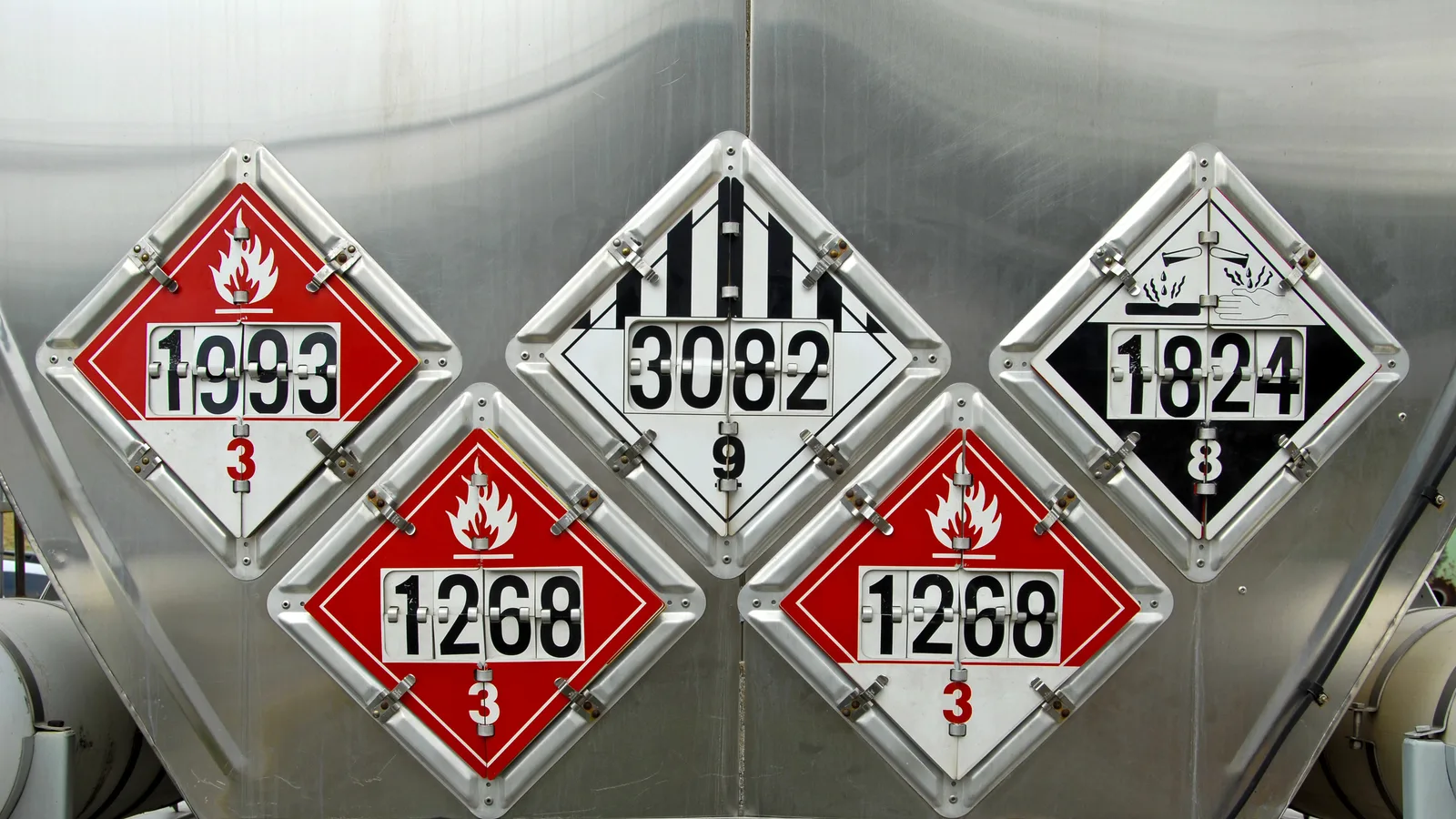
- Treating placarding as a formality once loads are combined, when 49 CFR Part 172 still requires correct placarding and shipping papers for the full combined load regardless of how many suppliers contributed to it.
- Comparing quoted freight rates per shipment instead of fully loaded cost, including terminal fees, wash charges and detention from a missed turn time.
- Running the program for a quarter and dropping it instead of locking in standing dock time, which is what actually produces repeatable savings on a lane.
Getting Your Consolidation Program Running
A consolidation point is worth setting up when the math works: enough suppliers, enough combined volume to fill a DOT 407 or 412 trailer, and a compatibility chart that lets the product combine without a wash between every supplier's material. When the math does not work, direct shipment or synchronized pickup usually costs less than forcing freight through a point that was not built for this product or this supplier footprint. The honest answer comes from running both scenarios on your actual lane, with real drayage distances and real terminal fees, before anyone commits dock time.
Total Connection evaluates consolidation points as part of its liquid bulk and chemical logistics work, and the same team handles the drayage into the point, the tank wash scheduling, the warehousing when material has to wait, and the truckload or export leg out, so the program runs under one point of contact instead of three carrier relationships. For the mechanics behind it, see what transloading means in the chemical supply chain and the previous-cargo requirements for ISO tanks that govern whether a wash is needed before combining product. To price a consolidation lane or a synchronized pickup route, use the liquid bulk quote form.
What is a chemical consolidation point?
A chemical consolidation point is a transload or terminal location where partial loads from multiple suppliers of the same product combine into one full truckload or tank car. It lets buyers sourcing from several suppliers avoid paying a partial-load freight rate on each separate shipment.
Does combining product from different suppliers require a tank wash?
Combining material from different suppliers requires checking the previous-cargo compatibility chart for the tank or storage being used, even when the product is identical across suppliers. A wash is required between incompatible previous cargoes, and skipping that step can get a load rejected on an SDS or quality hold at the receiving plant.
How much does splitting orders across suppliers raise freight cost?
Splitting orders raises cost because each partial shipment prices closer to a full-load rate while moving only a fraction of the trailer's capacity, and every added stop brings handling and documentation fees. The exact increase depends on lane, volume per supplier, and equipment, so a lane-specific quote is the only reliable way to size it.
What is the difference between a consolidation point and synchronized supplier pickup?
A consolidation point physically combines loads at one dock or terminal before the final leg moves. Synchronized supplier pickup times separate suppliers' shipments so one carrier can collect from all of them on a multi-stop route and arrive together, without a transload stop in between.
Can hazmat chemicals from different suppliers be consolidated on the same load?
Hazmat chemicals from different suppliers can be consolidated only when hazard class, packing group, and previous-cargo compatibility rules all allow it. The combined load must still be placarded and documented under 49 CFR Part 172 regardless of how many suppliers contributed material to it.