
Transloading and cross-docking are two of the most commonly confused terms in logistics. Both involve moving freight through a facility without long-term storage. Both reduce transit time and handling compared to traditional warehousing. But they serve fundamentally different purposes in the supply chain, and knowing when to use each one can significantly impact your costs and delivery performance.
Transloading: changing transportation modes
Transloading is the transfer of freight from one mode of transportation to another. The product itself is moved from one container or vehicle type to a different one. Rail to truck, ocean container to domestic trailer, large tank to smaller tanks, ISO tank to domestic tanker, these are all transloading operations.
The primary purpose of transloading is modal conversion. Your freight arrives by one transportation mode but needs to continue its journey by a different mode. The transload facility provides the equipment, space, and labor to make that transfer.
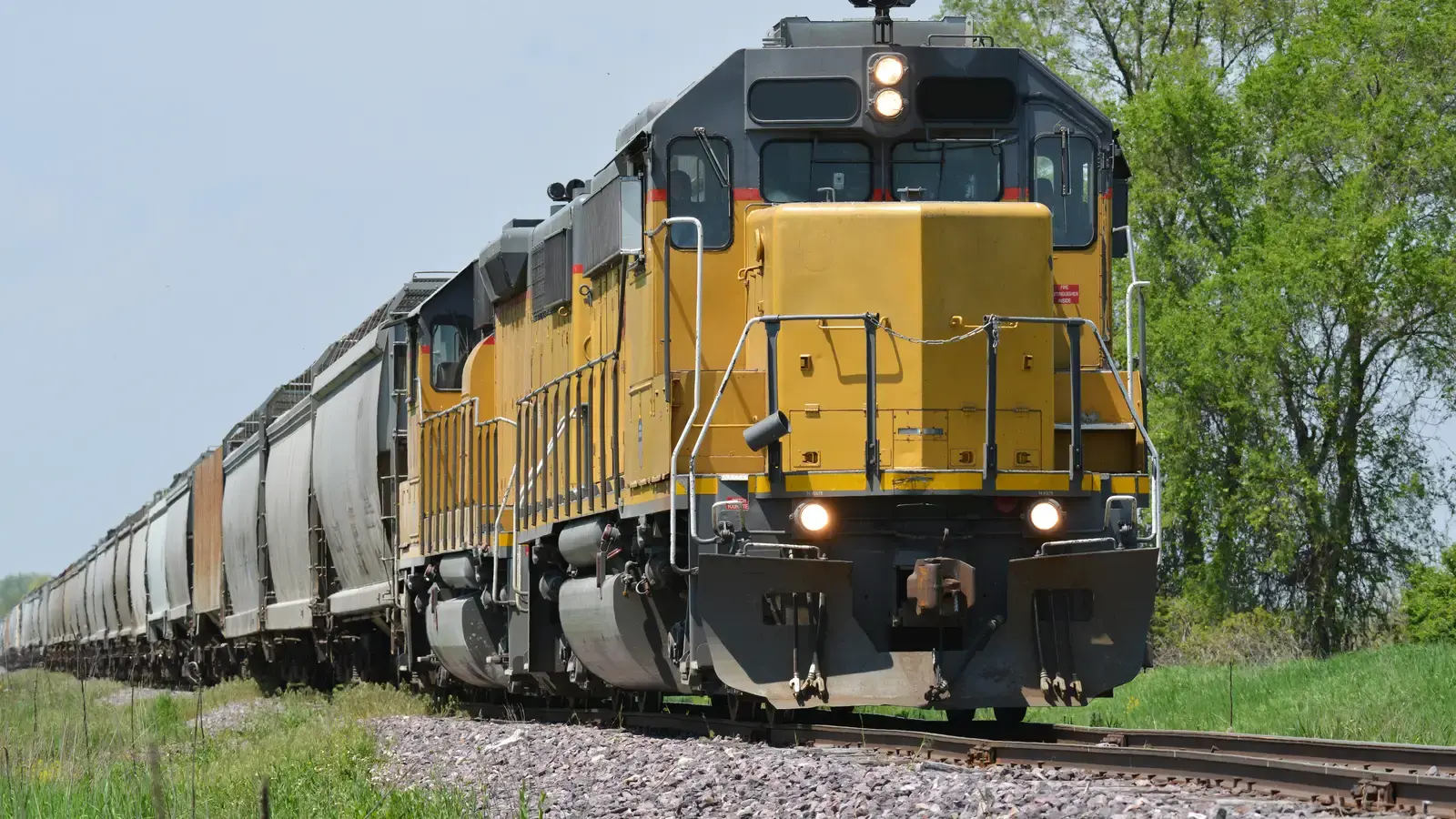
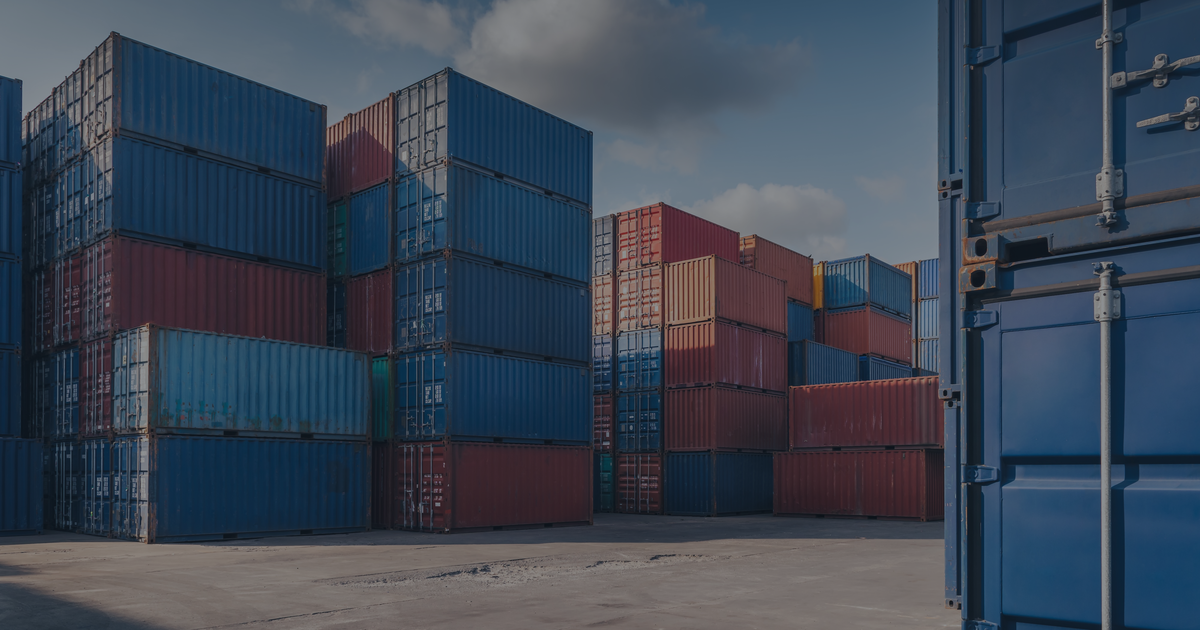
Common transloading scenarios include railcar-to-truck transfers where bulk product arrives by rail and is distributed by smaller truck deliveries, ocean container-to-domestic trailer transfers for international imports that need to continue by domestic truck, and overweight container splitting where import containers exceeding road weight limits are split across multiple domestic trucks.
Cross-docking: sorting and redirecting freight
Cross-docking is the sorting, consolidation, or reconfiguration of freight for delivery to multiple destinations. The product may stay in the same type of vehicle, truck to truck, but it's reorganized based on where it needs to go.
The primary purpose of cross-docking is distribution optimization. Instead of making multiple stops with one vehicle, the freight is sorted at a central point and dispatched on separate vehicles to each destination.
Common cross-docking scenarios include breaking a single ocean container into multiple deliveries sorted by customer or region, consolidating LTL shipments from multiple origins into full truckloads heading to the same area, and sorting inbound supplier shipments into production-ready kits for manufacturing delivery.
Key differences
| Transloading | Cross-docking | |
|---|---|---|
| Mode change | Always | Usually no |
| Primary purpose | Convert between transportation modes | Sort freight for multiple destinations |
| Equipment needed | Pumps, cranes, transfer infrastructure | Dock space, forklifts, sortation |
| Time in facility | Hours to a day | Typically under 24 hours |
| Common in | Bulk commodities, oversized cargo, international imports | Retail distribution, LTL consolidation, e-commerce |
| Cost driver | Specialized equipment, hazmat compliance, labor | Throughput speed, sorting accuracy |
Mode change. Transloading always involves a change in transportation mode or equipment type. Cross-docking may not, the freight might arrive on a truck and leave on a truck, just a different truck going to a different destination.
Purpose. Transloading solves a modal incompatibility, the freight can't reach its destination in its current vehicle. Cross-docking solves a distribution problem, the freight needs to be sorted and sent to multiple destinations.
Equipment requirements for chemical transloading
For dry van and general freight, transloading equipment is forklifts and pallet jacks. For chemical and bulk liquid transloading, the equipment list is substantially more demanding:
- Transfer pumps rated for the product. Stainless steel centrifugal or positive displacement pumps for non-hazardous liquids, explosion-proof construction for Class 3 flammables, magnetic drive pumps for high-purity applications.
- Hose specifications matched to the product. EPDM for most chemicals, PTFE-lined for aggressive solvents, FDA-grade silicone for food contact. Hoses are color-coded and dedicated by product.
- Containment infrastructure. Curbed concrete pads, drainage to a sump, secondary containment volume meeting EPA SPCC requirements for petroleum and hazardous materials.
- Static bonding and grounding. Required for any flammable liquid transfer per NFPA 77 and OSHA 1910.106. The product must be electrically continuous between the source equipment, the receiving equipment, and ground.
- Vapor recovery. Class 3 flammables and many specialty chemicals require closed-system vapor recovery during transfer to meet EPA and local air quality regulations.
For ISO tank to domestic tanker transloading specifically, the transload facility also needs ISO tank handling equipment, which includes the ability to lift and stage the 20-foot units with proper spreader bars or crane capacity.
Tank wash between transload operations
When the receiving tanker has carried a different product previously, the tanker has to be washed before transloading the new cargo. Tank wash adds cost ($200-$1,500 depending on the wash type and product compatibility) and time (2-6 hours typical, longer for kosher washes or food-grade conversions). The transloader's location matters here, transload facilities co-located with major tank wash operations turn lanes faster than isolated transload sites.
Major tank wash locations colocated with chemical transload operations include the Gulf Coast (Houston, Port Arthur, Baton Rouge), the Northeast (Linden, Carteret), and the Midwest (Chicago, Cincinnati, Memphis).
When they work together
In practice, transloading and cross-docking often happen at the same facility in the same operation. An ocean container arrives at port, is drayed to a facility, transloaded from the container to domestic equipment (that's the transload), and simultaneously sorted by destination for delivery on separate trucks (that's the cross-dock).
For chemical shippers with international supply chains, this combined operation is common. Import containers containing product for multiple customers or multiple facilities are transloaded and cross-docked in a single stop.
Cost comparison: when each pays for itself
Both operations have different cost drivers and breakeven points. The key drivers to weigh:
- Volume threshold. Transloading economics favor higher container volumes (typically 4+ containers per week per lane). Cross-docking pays off at higher pallet volumes (300+ pallets per week through a facility).
- Equipment intensity. Transloading requires pumps, hoses, or cranes per commodity. Cross-docking primarily needs dock doors and forklifts.
- Labor profile. Transloading uses fewer, more specialized workers (drum handlers, tank operators). Cross-docking uses more general warehouse labor.
- Real estate. Transload yards need outdoor space and rail or port access. Cross-docks need indoor dock space with rapid throughput.
Transloading economics. Transloading is justified when the alternative is shipping in a non-optimal mode for the full route. Example: bulk liquid arriving by rail and needing distribution to twenty receivers within 200 miles. Rail-to-truck transloading at the receiving terminal is dramatically cheaper than sending twenty separate rail shipments. Typical transload costs: $400-$1,200 per railcar transferred to truck for non-hazardous liquid bulk, $200-$600 per container transferred for general dry freight, higher for hazmat.
Cross-docking economics. Cross-docking is justified when the alternative is multi-stop deliveries, separate point-to-point shipments, or warehousing. Typical cross-dock cost: $0.50-$2.00 per case handled, $50-$150 per pallet, varying by region and complexity. The savings come from consolidating LTL shipments into FTL economics or splitting one inbound load into many efficient outbound deliveries.
Documentation and compliance considerations
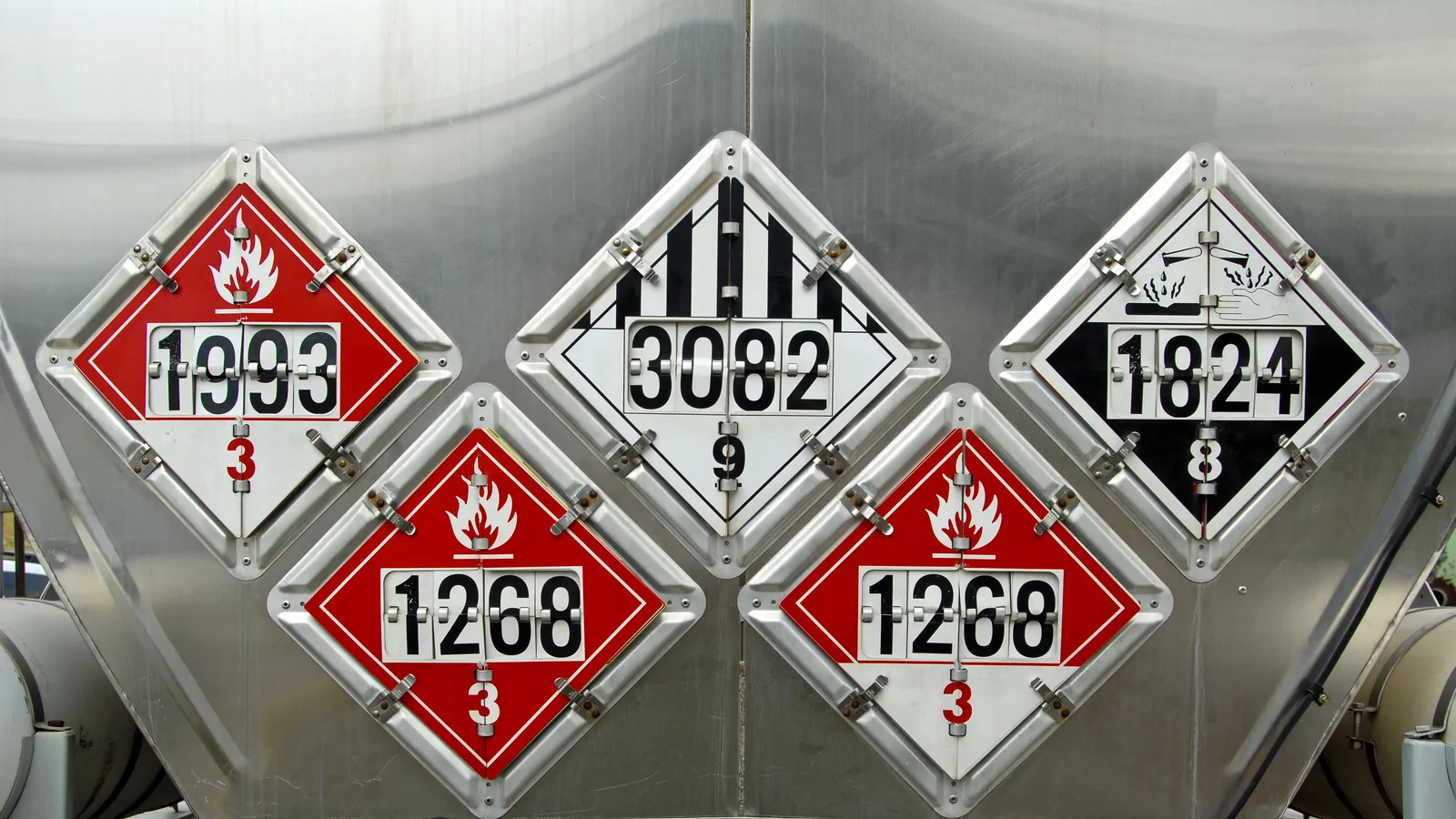
Chemical transloading carries documentation requirements that general freight cross-docking doesn't. For any hazmat transload, the transferring carrier hands over a clean-tank certificate, the receiving carrier accepts and counter-signs, and the prior-cargo log moves with the equipment. For drum or IBC repackaging during a transload (transferring product from rail or ISO tank into smaller packaged units), the packaging itself must be UN-rated for the hazard class and packing group, and the new packages must be marked, labeled, and placarded per 49 CFR Part 172.
Cross-docking documentation is lighter for general freight but still meaningful for chemicals: the inbound BOL terminates at the cross-dock, and a new outbound BOL is generated for each onward shipment. For hazmat, the new BOLs must accurately carry over the proper shipping name, UN number, hazard class, packing group, and emergency response contact. A cross-dock that strips hazmat documentation off and forwards as general freight is a 49 CFR violation that exposes both the cross-dock and the shipper.
Which one does your supply chain need?
If your freight needs to change transportation modes, use transloading. If your freight needs to be sorted and delivered to multiple destinations, use cross-docking. If your freight needs both, and it often does, use a facility and logistics provider that can do both in one operation.
How Total Connection handles both
We coordinate both transloading and cross-docking as part of our drayage and distribution services. Whether your container needs to be transloaded to domestic equipment, cross-docked for multi-destination delivery, or both, we manage the facility, the scheduling, the outbound carriers, and the delivery confirmation. For chemical and hazmat freight specifically, we work with transload partners equipped for liquid bulk transfer, tank washes, and DG-compliant cross-docking.
Related coverage: our transloading explainer covers the practice in depth for chemical shippers, and container drayage explains the port-to-facility leg that usually precedes a transload or cross-dock operation.
Call 732-817-0401 or request a quote.
Frequently Asked Questions
What's the main difference between transloading and cross-docking?
Transloading changes the transportation mode or equipment type. Cross-docking sorts and redirects freight to multiple destinations. Transloading solves a modal compatibility problem; cross-docking solves a distribution problem.
Can transloading and cross-docking happen at the same time?
Combined transloading and cross-docking happens routinely. An import container can be transloaded from ocean equipment to domestic trailers and simultaneously sorted by destination for separate deliveries. This combined operation is common for multi-customer import shipments.
Which is more expensive?
Transloading typically costs more because it requires specialized equipment (pumps, cranes) to transfer product between modes. Cross-docking primarily requires dock space and sorting labor. Combined operations share facility overhead across both functions.
Does Total Connection handle both?
Total Connection coordinates transloading, cross-docking, and combined operations as part of our drayage and distribution services for chemical and industrial shippers.