
Inland freight shipping by rail moves one ton of freight nearly 500 miles on a single gallon of fuel, while a truck is capped at 80,000 pounds gross and wins on nearly every move under 500 miles. That is the whole comparison in two sentences. Trucks carried about 65 percent of U.S. freight tonnage and 44 percent of ton-miles in 2023; rail carried about 8 percent of tonnage but 19 percent of ton-miles, according to the Bureau of Transportation Statistics. Trucks win the short, frequent, dock-to-dock moves. Rail wins the long, heavy, steady ones. For any given lane, the decision comes down to distance, volume, rail access at both ends, and how much transit variability the receiver can live with.
What Truck Freight Is
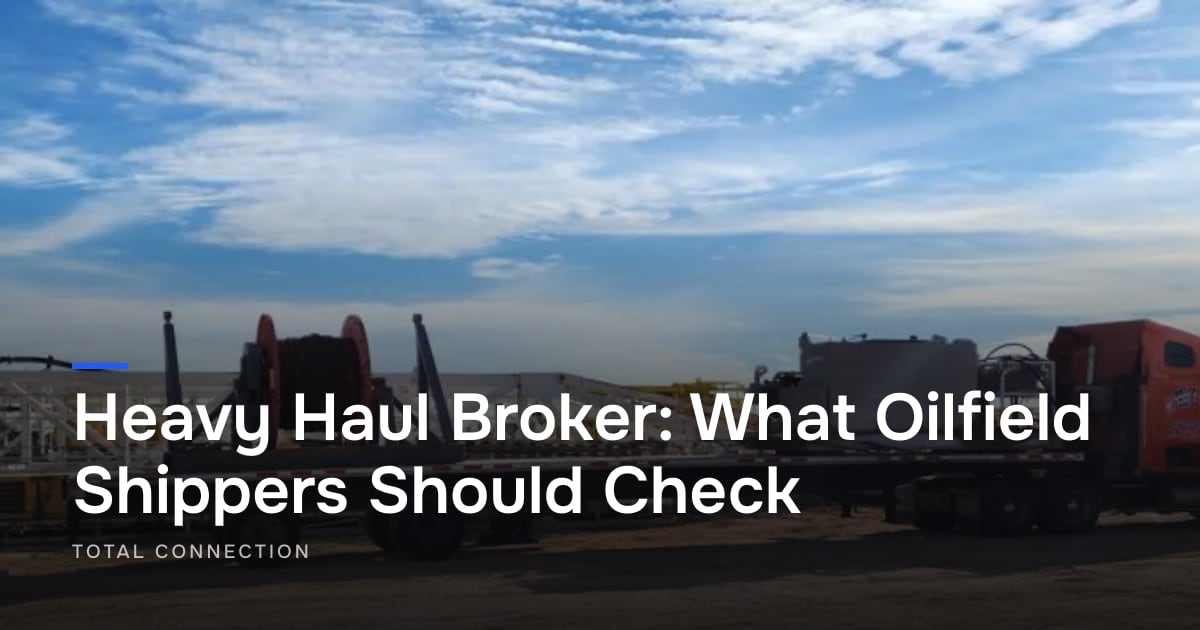
Truck freight is any shipment that moves over the road on a tractor and trailer, from pickup dock to delivery dock, with no change of equipment in between. It comes in three commercial forms: full truckload (one shipper, one trailer, direct), less-than-truckload (shared trailer, hub-and-spoke terminals), and partial truckload (a dedicated trailer shared by two or three large shipments with no terminal handling). The trailer matches the freight: 53-foot dry van, flatbed or step deck, refrigerated van, and for liquid bulk a DOT 407 or DOT 412 tank trailer holding roughly 5,000 to 6,500 gallons, or an MC 331 pressure trailer for liquefied gases.
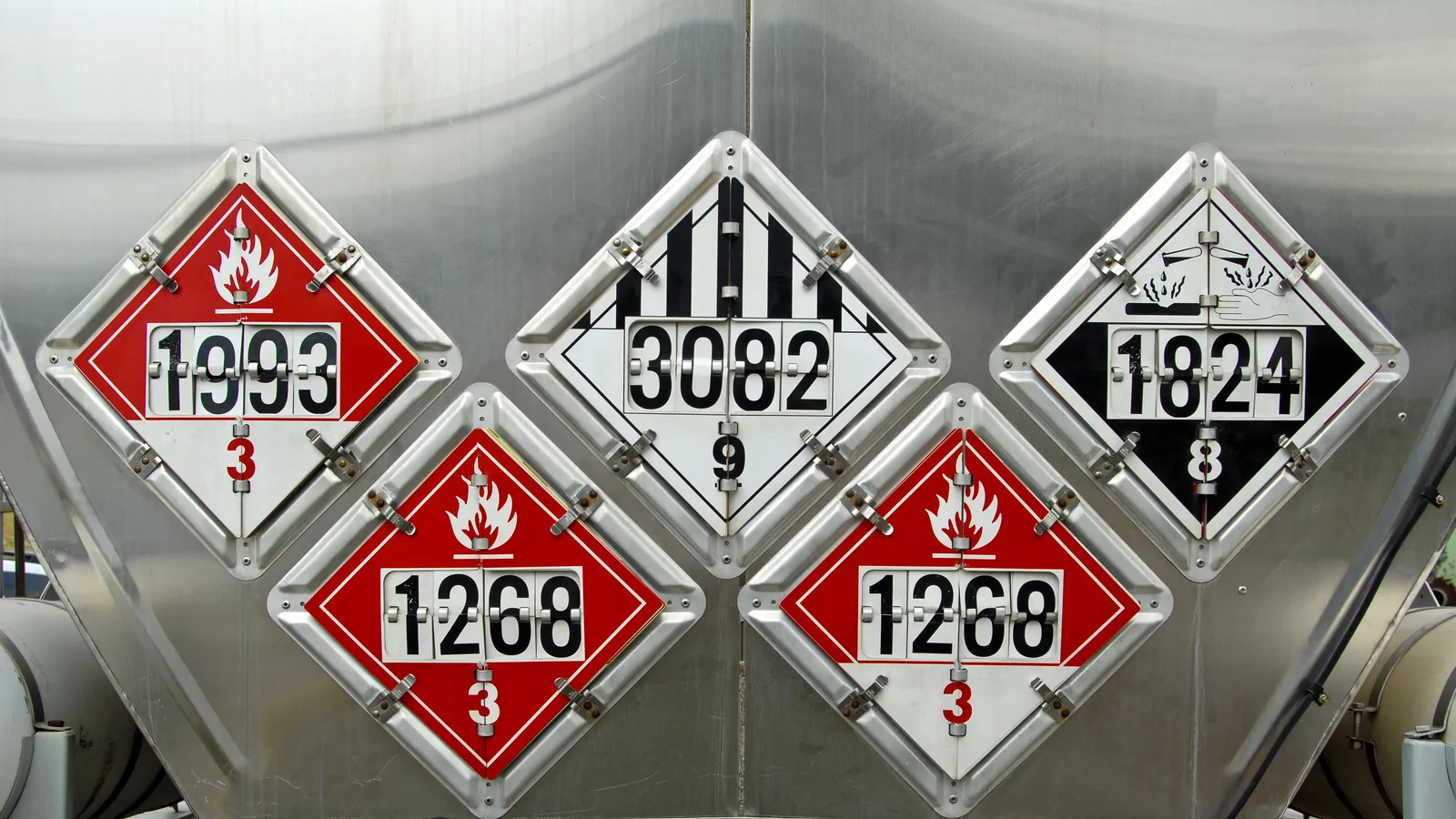
The limits are federal. Gross vehicle weight is capped at 80,000 pounds on the Interstate system, which leaves a payload of roughly 44,000 to 48,000 pounds in a van and about 45,000 pounds of product in a tanker once you subtract the tractor, trailer and fuel. Drivers run under FMCSA hours-of-service rules: 11 hours of driving inside a 14-hour window, so a single driver covers 500 to 600 miles in a day and a team covers roughly twice that. Hazmat moves under 49 CFR Part 177, with a hazmat endorsement on the driver's CDL, placards on all four sides, and tunnel and route restrictions that vary by hazard class.
What Rail Freight Is
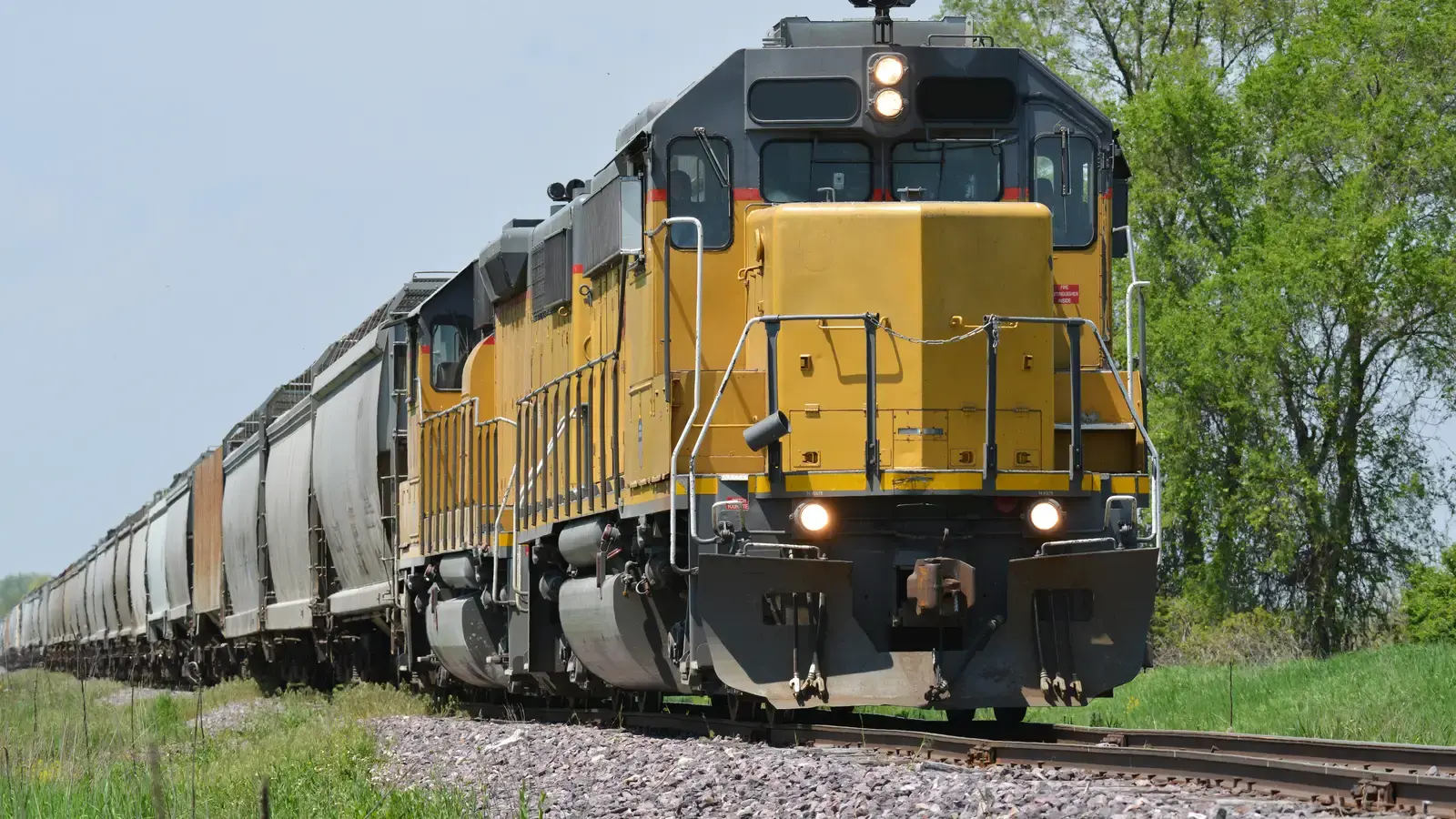
Rail freight moves in two formats. Carload service puts the product directly into a railcar built for it: a tank car for liquids, a covered hopper for pellets and powders, a boxcar for palletized freight, a gondola or flatcar for steel and machinery. Intermodal service puts the product in a 53-foot domestic container or a 40-foot ocean box and moves the box on a double-stack well car, with a truck handling the drayage leg at each end. Seven Class I railroads operate the U.S. network: BNSF, Union Pacific, CSX, Norfolk Southern, CPKC, Canadian National and their shared lines, with hundreds of short lines feeding them.
The scale is what separates it from truck. A railcar can gross 286,000 pounds, which works out to roughly 200,000 pounds of product, or about four truckloads in one car. A general purpose tank car holds 20,000 to 30,000 gallons against a tank trailer's 5,000 to 6,500. A unit train of 100 cars carries the freight of several hundred trucks with a two-person crew, which is why the average Class I haul runs more than 1,000 miles. The constraint is access: every rail shipment needs track at both ends, either a private siding, a public team track, or a transload terminal where a truck finishes the move. Rail hazmat moves under 49 CFR Part 174, and the car itself is built to Association of American Railroads and DOT specifications such as DOT-111, DOT-117 and the DOT-105 pressure car.
Cost: Where Rail Beats Truck and Where It Does Not
Rail's cost advantage starts with physics. Steel wheels on steel rail have a fraction of the rolling resistance of rubber on asphalt, and one locomotive crew moves what would take hundreds of drivers. The result is the roughly 500 ton-miles per gallon figure the Association of American Railroads reports, three to four times the fuel efficiency of a truck. On a long, heavy lane with steady volume, that shows up as a lower line-haul cost per ton-mile than any truck rate you will be quoted.
The advantage is not free, and the line-haul rate is never the whole bill. A rail move usually adds car hire or lease cost, a transload fee if the receiver has no siding, drayage at one or both ends, and demurrage once a car sits past its free time at the receiving facility. Truck has its own extras, mainly fuel surcharge and detention after two hours at the dock, but it has no minimum order size and no infrastructure to pay for. The crossover point moves with the lane, but as a working rule rail starts to pencil out past 500 miles when a shipper can commit to at least a car lot a month on the same lane. Below that, truck is cheaper once you count every charge, and the flexibility is worth something on its own.
Transit Time and Reliability
Truck is faster on almost every lane that is not a unit train. A single driver moves 500 to 600 miles a day under hours-of-service limits, so Houston to Chicago, about 1,100 miles, is a two-day truckload move. The same move as a carload takes a week or more door to door. The train itself runs around 50 miles per hour, but a car dwells in classification yards, waits for a block to its destination, and may interchange between two railroads before it reaches the receiver. Intermodal is quicker, typically three to five days on a major corridor, but it still needs a drayage leg and a terminal appointment at each end.
Reliability is where the two modes trade places depending on the year. Truck capacity swings with the driver market, and a shipper with hazmat or tanker freight competes for a small pool of qualified carriers, which is why some lanes tighten first and loosen last. Rail is far less exposed to the driver market and moves a given volume with a fraction of the labor, but it carries its own risks: service metering during congestion, embargoes on specific destinations, winter slowdowns, and a transit spread measured in days rather than hours. The practical answer is to plan safety stock around the mode. A receiver running rail needs enough tank or silo capacity to absorb a late car; a receiver running truck needs a carrier bench deep enough to cover a no-show.
Capacity, Equipment and Hazmat Rules
Tonnage per unit
Trains haul far more tonnage than trucks, and the difference is the reason rail exists. One tank car replaces four to six tanker loads; one covered hopper replaces four pneumatic trailer loads; a 100-car unit train replaces several hundred trucks on the highway. For a chemical plant shipping a steady 500,000 gallons a month, that is the difference between 20 railcars and roughly 85 tank trucks, each needing a driver, a wash ticket and a dock appointment. The flip side is that a railcar is an all-or-nothing unit. A shipper who needs 8,000 gallons delivered Tuesday has a tanker problem, not a railcar problem.
Hazmat: same classification, different carriage rules
Hazardous materials carry the same UN number, hazard class and packing group whichever mode moves them. That classification work lives in 49 CFR Part 172 and transfers directly from truck to rail. What changes is the carriage rule: Part 177 for highway, Part 174 for rail. Rail adds requirements trucks never see, including placement rules that keep certain hazard classes separated within a train, and route analysis under 49 CFR 172.820 for the highest-hazard commodities such as poison inhalation hazard materials and high-hazard flammable trains. Truck adds the driver endorsement, tunnel restrictions and roadside inspection exposure. The shipping paper, emergency response information and placarding obligations fall on the shipper under both regimes, and PHMSA enforces both.
Environmental Impact
Rail is three to four times more fuel efficient than long-haul trucking on a ton-mile basis, and moving freight by rail instead of truck cuts greenhouse gas emissions by up to 75 percent on the lane, according to the Association of American Railroads in testimony to the U.S. Senate Commerce Committee in June 2025. Rail also handles roughly 40 percent of long-distance ton-miles while producing a small fraction of freight transport emissions. For a shipper with Scope 3 targets, a lane that converts from truck to carload is one of the few changes that moves the number without changing the product.
Two caveats keep the math honest. The emissions benefit is on the line haul; a rail move that needs a transload and a 60-mile dray at each end gives some of it back, so the net gain depends on the full routing. And the benefit only exists when the car runs full. A shipper who converts a lane to rail and then fills cars at 60 percent to hit a delivery date has traded away most of the efficiency the mode offered. Convert the lanes where volume is steady, keep truck on the lanes where it is not, and the carbon math and the freight math point the same direction.
Rail vs. Truck Comparison Table
| Factor | Truck (FTL, LTL, tanker) | Rail (carload and intermodal) |
|---|---|---|
| Payload per unit | 44,000 to 48,000 lb in a van; 5,000 to 6,500 gal in a DOT 407 tanker | About 200,000 lb per car; 20,000 to 30,000 gal per tank car |
| Fuel efficiency | Baseline | Three to four times truck; about 500 ton-miles per gallon (AAR) |
| Transit time, 1,000-mile lane | Two days single driver, one day team | Carload a week or more; intermodal three to five days |
| Minimum shipment | One pallet (LTL) to one trailer | One car lot; intermodal one container |
| Access required | Any dock or rack a trailer can reach | Siding, team track or transload at both ends |
| Extra charges to watch | Fuel surcharge, detention after two hours, tank wash | Car hire, demurrage after free time, transload fee, drayage |
| Hazmat carriage rule | 49 CFR Part 177, driver hazmat endorsement | 49 CFR Part 174, train placement and route analysis rules |
| Best fit | Under 500 miles, time-sensitive, variable volume | Over 500 miles, steady car-lot volume, rail access at both ends |
When to Choose Rail, Truck, or Both
Rail is the right call when all of the following are true for the lane:
- The haul is longer than about 500 miles, and the longer it runs the more the per-ton-mile advantage compounds.
- Volume is steady at a car lot or more per month, so cars run full and the railroad sees a consistent block.
- Both ends have rail access, through a private siding, a team track, or a transload terminal with the right equipment for the product.
- The receiver can hold inventory, because a transit spread of several days needs tank, silo or warehouse capacity to absorb it.
Truck is the right call when any of the following are true:
- The lane is under 500 miles, where rail's fuel advantage never gets a chance to pay for the extra handling.
- Delivery windows are tight or volume is irregular, including surge orders, trials and new customers.
- The product needs a specific trailer the receiver already handles well, such as a heated or lined tanker with a wash certificate.
- There is no rail access and the transload would add more drayage than it saves in line haul.
Most shippers with real volume end up running both. The steady base load moves by carload, truck covers the surge and the receivers without track, and a transload terminal connects the two. Intermodal fills the middle for containerizable freight on the major corridors. As a non-asset forwarder, Total Connection sets up all of it from one desk: the tank truck and dry van lanes, the drayage at the rail ramp or the port, the transload coordination, the warehousing in between, and the ocean or air leg when the freight leaves the country. The mode decision gets made on the freight, not on whose equipment is sitting in the yard.
Common Mistakes When Choosing Between Rail and Truck
The same errors show up on lane after lane, and every one is avoidable before the first car or trailer is ordered:
- Comparing the rail line-haul rate to the all-in truck rate. Add car hire, transload, drayage and demurrage first, or the savings disappear in the second month.
- Assuming the receiver can take a car. Confirm the siding is active, the unloading equipment fits the car type, and the plant has the hours and staff to spot and release cars.
- Ignoring transit spread. A carload that averages seven days will sometimes take twelve, and a plant with three days of tank capacity runs dry before the second car arrives.
- Forgetting the drayage weight limit. Product that was legal at 200,000 pounds in a railcar still leaves the transload in 45,000-pound truck increments.
- Treating hazmat rules as mode-neutral. The classification carries over, but Part 174 train placement, car specification and route rules do not, and a tank car ordered to the wrong DOT spec cannot be loaded.
- Switching modes without re-checking compatibility. A product that rides fine in a lined DOT 412 trailer may need a different lining, heating coils or a nitrogen pad in a car that spends a week in transit.
If the lane in front of you is a truckload decision first, start with FTL vs. LTL freight and what partial truckload is. For liquid bulk, rail tank car vs. tank truck works the volume thresholds in detail, what transloading is explains how the two modes connect, and hazmat trucking regulations covers the highway side of Part 177. Container moves to and from the ramp are in our guide to container drayage. Our truckload and LTL service handles the truck side of any lane, our liquid bulk and chemical logistics team handles the tanker and tank car side, and the licenses and insurance behind both are on our About page. To get rail and truck priced on a specific lane, request a capacity check.
Is rail cheaper than truck for freight shipping?
Rail is usually cheaper per ton-mile than truck on lanes longer than about 500 miles with steady volume of at least a car lot a month, because a train moves one ton of freight nearly 500 miles on a gallon of fuel. The advantage shrinks or disappears once car hire, transload fees, drayage and demurrage are added, and on short or irregular lanes truck is the lower all-in cost. Run the comparison on the full routing, not the line-haul rate.
How much more fuel efficient is rail than truck?
Freight rail is three to four times more fuel efficient than trucking on a ton-mile basis, according to the Association of American Railroads. A train moves one ton of freight close to 500 miles per gallon of fuel, and shifting freight from truck to rail cuts greenhouse gas emissions by up to 75 percent on that lane. The benefit applies to the line haul, so drayage and transload legs reduce the net gain.
How long does rail freight take compared to truck?
Rail carload transit on a 1,000-mile lane typically runs a week or more door to door, while a single truck driver covers the same distance in about two days and a team in one. The gap comes from yard dwell, blocking and interchange between railroads rather than train speed. Intermodal splits the difference at roughly three to five days on major corridors, plus a drayage leg at each end.
How much freight can a train carry compared to a truck?
One railcar carries roughly 200,000 pounds of product against a truck's 44,000 to 48,000 pounds, so a single car replaces about four truckloads and a 100-car unit train replaces several hundred trucks. For liquids, a tank car holds 20,000 to 30,000 gallons compared with 5,000 to 6,500 gallons in a DOT 407 tank trailer. The trade-off is that a railcar is an all-or-nothing unit with a car-lot minimum.
Can hazardous materials be shipped by rail?
Hazardous materials ship by rail under 49 CFR Part 174, using the same UN number, hazard class and packing group classification that applies to truck shipments under Part 177. Rail adds its own rules, including placement requirements that separate certain hazard classes within a train and route analysis under 49 CFR 172.820 for the highest-hazard commodities. The shipper remains responsible for the shipping paper, placards and emergency response information under both modes.
What is transloading and when does it make sense?
Transloading moves product from a railcar to a truck, or the reverse, at a terminal so a shipper can use rail for the long haul without having a siding at the receiving site. It makes sense when the lane is long enough for rail to pay and the transload fee plus the short drayage cost less than the truck line haul they replace. Total Connection arranges the terminal, the drayage and the truck leg so the shipper deals with one team.