
Vessel Charters for Fuel, Breakbulk and Bulk Commodities
A vessel charter is the hire of a ship, or of space on one, for a specific cargo, route or period. Total Connection arranges voyage charters, time charters and contracts of affreightment for fuel and clean products, chemicals, breakbulk and project cargo, and dry bulk, with the same operators who run your tankers, ISO tanks and project freight on land.
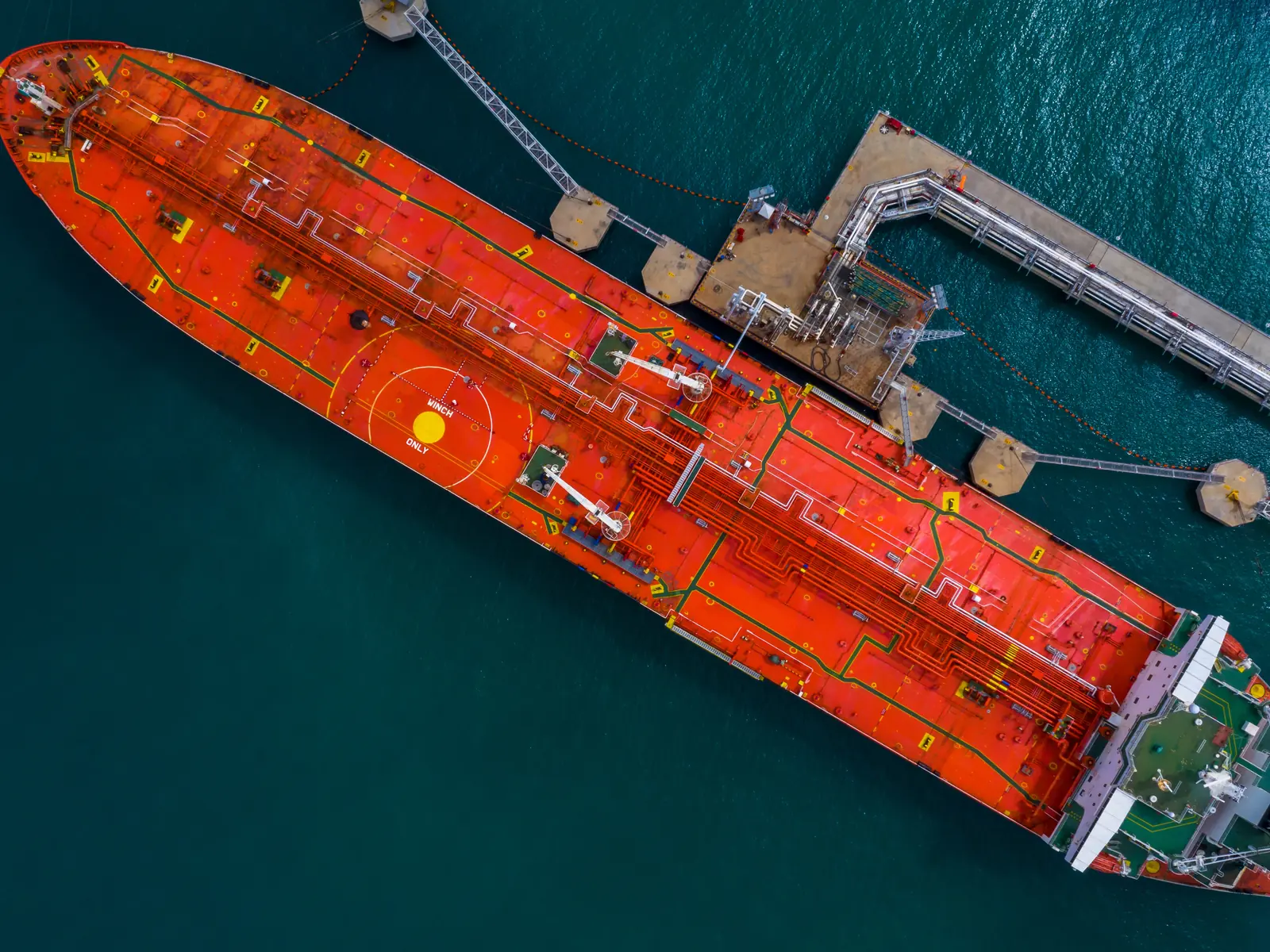
When the cargo needs the whole ship
Container service works until the parcel is 30,000 barrels of diesel, a 180-ton transformer with its own delivery date, or 25,000 metric tons of fertilizer that has to arrive before planting. At that point the cargo sets the terms: a vessel has to be found, vetted and fixed for that lifting, with laycan, load and discharge ports, laytime and demurrage written for the shipper rather than for a sailing calendar.
Total Connection handles that fixture end to end. We qualify the cargo and the ports, go to the market for suitable tonnage, negotiate the charter party, and run the voyage operationally: notice of readiness, laytime, statements of facts, bills of lading, surveys and the pre-carriage and on-carriage at either end. It is the same account team that handles your liquid bulk and chemical freight, project cargo and ocean freight, from the plant gate to the discharge terminal.
Charter arrangements we work with
- Voyage charter. The vessel is hired for one lifting between named load and discharge ports, with freight per metric ton or lump sum. The owner carries the voyage costs; the charterer takes on laytime and demurrage. Fits spot liftings, a single project move, or a cargo whose timing is set by an allocation or a construction schedule.
- Time charter. The vessel goes on hire for a period, from a few months to several years, with the charterer directing where it trades and paying hire per day plus bunkers and port costs. Fits recurring liftings on fixed routes where schedule control matters. We run the commercial and operational management of the ship on your behalf.
- Contract of affreightment (COA). An owner commits to carry a stated volume over a term in a series of liftings, with freight fixed per ton and a vessel nominated for each lifting. Fits annual supply programs for fuel, fertilizer or chemicals where the volume is known but a ship on hire year-round makes no sense.
The choice comes down to volume, frequency and control. One cargo: voyage charter. Recurring volume with flexible timing: COA. Recurring volume where the schedule and the ship matter more than per-ton freight: time charter. We model all three against your lifting program and recommend one with the numbers behind it.
What we charter vessels for
Fuel and clean petroleum products
Gasoline, ULSD, jet A-1, naphtha, gasoil, fuel oil, VGO and crude move on tankers fixed for the specific grade, parcel size and discharge terminal. We work with MR product tankers in the 45,000 to 55,000 DWT range for clean products, smaller coastal and Caribbean-trade tonnage for shorter liftings, and larger dirty tankers for crude and fuel oil. Every candidate vessel is checked for OCIMF SIRE inspection history, class, flag, age, P&I cover and cargo-tank coating before an offer reaches you, and the charter party is typically on ASBATANKVOY or SHELLVOY terms with laycan, laytime and demurrage agreed before the fixture.
Chemicals and liquid bulk
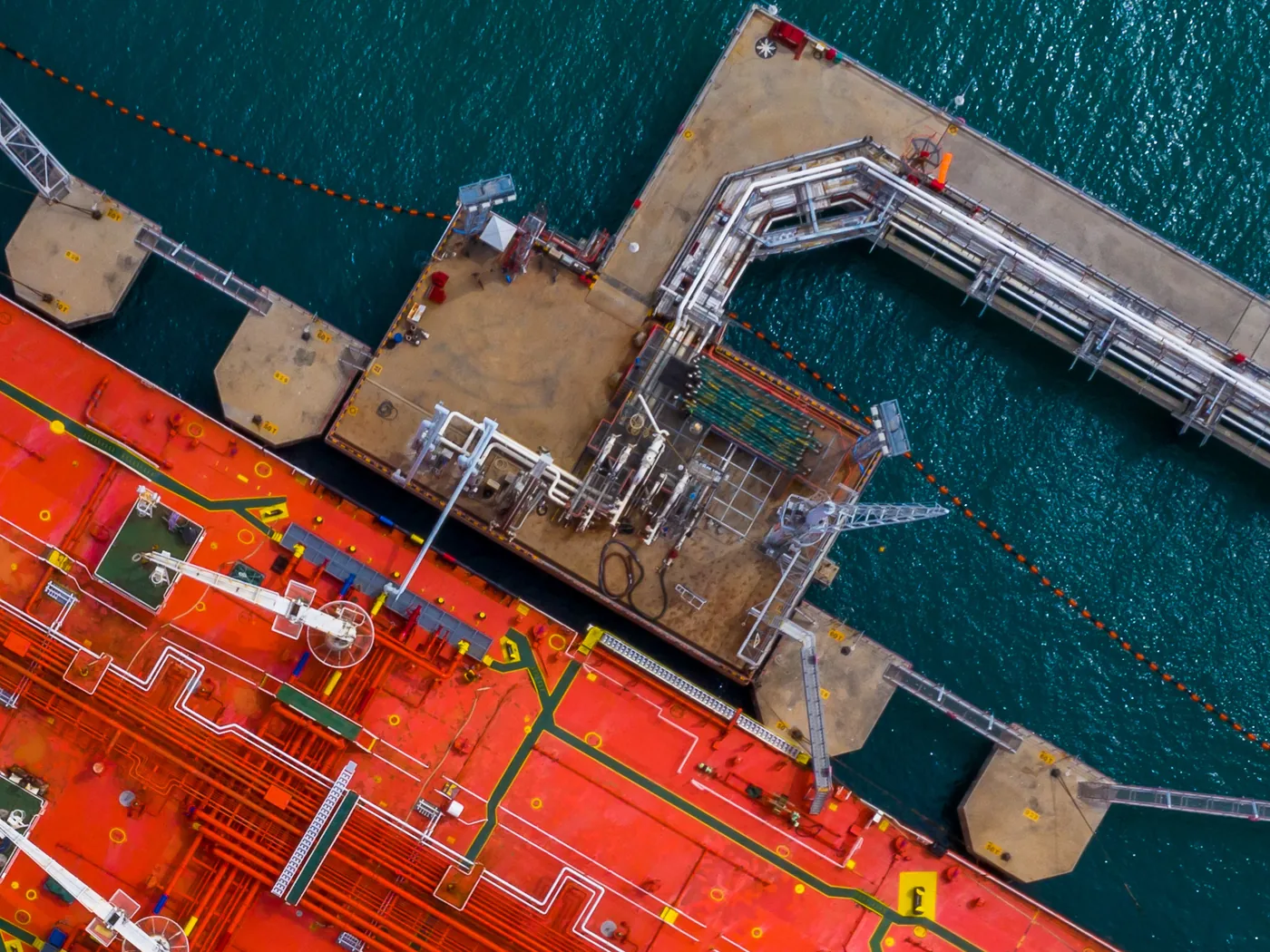
Liquid chemicals move on IMO Type 2 and Type 3 chemical tankers with stainless or phenolic-coated tanks, as full charters or as parcels on a vessel already fixed. Lots too small for a parcel-tanker fixture ship in ISO tanks on liner or chartered tonnage, which keeps the product in dedicated equipment from loading to delivery. This is our home freight: the team that fixes the vessel also checks MARPOL Annex II carriage requirements, prior-cargo and tank-cleaning rules, CDI or SIRE inspection status, heating and nitrogen blanket needs, and the SDS against the ship's certificate of fitness. See ISO tank shipping.
Breakbulk and project cargo
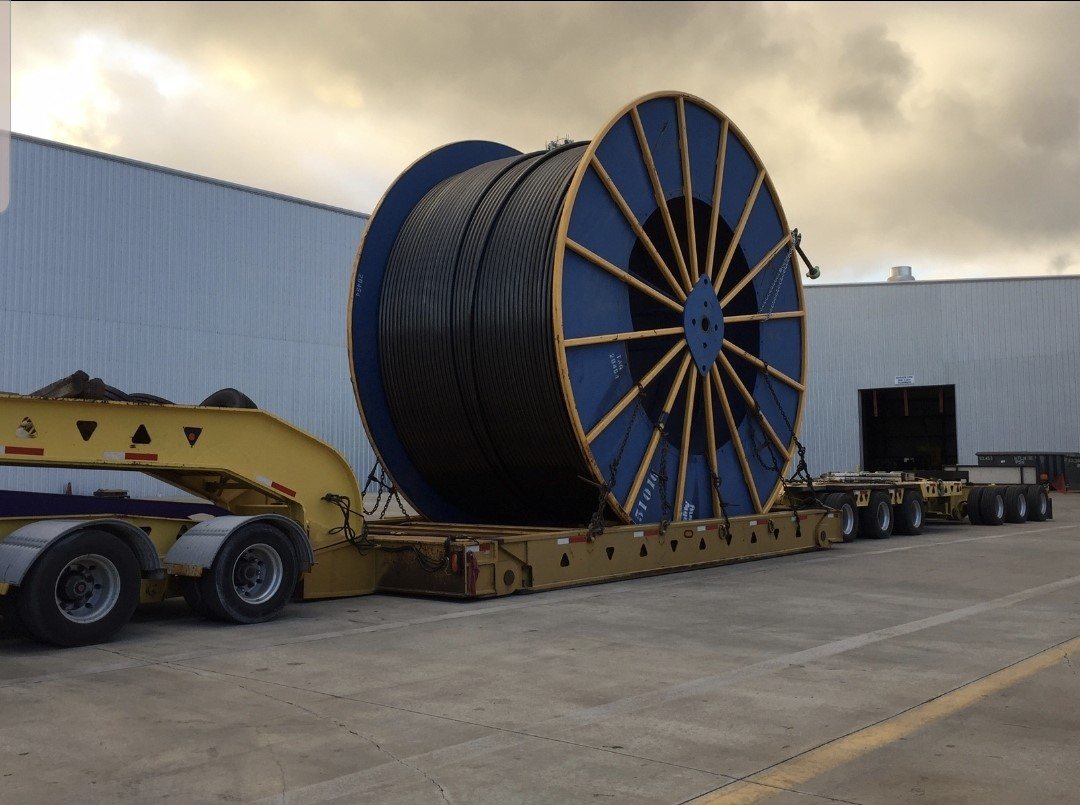
Transformers, reactors, rig components, cable reels, line pipe, steel and modules that will not fit a container ship move on multipurpose and heavy-lift vessels chartered for the lift. We match the cargo's dimensions, weight and lifting points to the vessel's crane capacity, hold and deck space, and the load and discharge berths, then plan the stow with the carrier's port captain. The sea leg is one piece of a project move: our project cargo team handles the inland heavy haul, permits and escorts, port handling, lashing and securing surveys, and the on-carriage at destination. See heavy lift and OOG freight and RoRo and LoLo cargo.
Dry bulk commodities
Dry bulk cargo moves on Handysize and Supramax tonnage, roughly 28,000 to 60,000 DWT, fixed on voyage or COA terms with the loading and discharge rates, stevedoring arrangement and trimming written into the recap. Fertilizers and ag inputs, grain and feed, mined minerals, petcoke and construction aggregates are the commodities we see most. Hold cleanliness, compatibility with previous cargoes, IMSBC Code requirements and moisture limits are checked before fixing, because a rejected hold at the load port costs more than the freight.

Part cargo and parcel space
When a lot does not justify a full charter, we place it as part cargo on tonnage already fixed by another charterer, or as a parcel on a chemical tanker's rotation. The same vetting, documentation and laytime review apply; the shipper simply pays for the space used.
How a fixture comes together
1. Qualify
Cargo, quantity, grade or dimensions, load and discharge ports, laycan window and any terminal restrictions. For fuel and chemicals, the SDS and the allocation or supply contract that drives the timing.
2. Source
We go to owners and brokers for suitable tonnage, screen each candidate for vetting, class, flag, age and port fit, and bring you firm offers with freight, laytime and demurrage side by side.
3. Fix
Charter party negotiated on a standard form (ASBATANKVOY, SHELLVOY, GENCON or NYPE) with your riders, then the fixture recap, documentary instructions and the pre-carriage plan.
4. Operate
Pre-arrival notices, notice of readiness, laytime and statement of facts, bills of lading, surveys and discharge coordination, with the on-carriage booked by the same team.
Signs your cargo should move on chartered tonnage
- The parcel is large enough that liner or container freight per ton no longer makes sense
- The cargo is out of gauge, overweight or needs geared tonnage for the lift
- Timing is driven by an allocation, a laycan or a construction schedule, not a sailing calendar
- The product needs dedicated tanks, heating, inerting or a specific tank coating
- You want one party accountable from the plant to the discharge terminal, land legs included
- You have recurring volume and want freight fixed for the year instead of chasing the spot market
Who charters vessels through Total Connection
Fuel marketers, refiners and traders
Product and crude liftings tied to allocations, supply contracts and terminal windows, with vetted tankers and the laytime and demurrage terms reviewed before the fixture.
Chemical producers and distributors
Parcel-tanker space, full chemical tanker charters and ISO tank programs for liquid chemicals, with MARPOL Annex II and tank-compatibility checks handled by the same team that runs the inland tankers.
Oilfield, EPC and plant projects
Rig components, drilling packages, modules and plant machinery on multipurpose and heavy-lift tonnage, coordinated with the heavy haul, permits and port handling on both ends. See the Rig PR-14 mobilization.
Fertilizer, agriculture, mining and construction
Handysize and Supramax liftings of fertilizer, grain, minerals and aggregates on voyage or COA terms, with IMSBC classification and hold inspection before loading.
Vessel charter FAQ
What is the difference between a voyage charter and a time charter?
A voyage charter hires a vessel for one cargo between named ports, with the owner paying voyage costs and the charterer responsible for laytime and demurrage. A time charter hires the vessel for a period, with the charterer paying daily hire plus bunkers and port costs and directing where the ship trades. Voyage charters fit single liftings; time charters fit recurring programs where schedule control matters.
What information do you need to quote a vessel charter?
A charter enquiry needs the cargo and quantity, load and discharge ports, the laycan window, and the cargo specifics: grade and SDS for fuel and chemicals, dimensions and weights for breakbulk, stowage factor and IMSBC classification for dry bulk. With that we can go to the market the same day and return firm offers, usually within a few working days depending on the trade.
Who is responsible for demurrage on a chartered vessel?
Demurrage is paid by the charterer when loading or discharging takes longer than the laytime agreed in the charter party. We write the laytime, the notice of readiness rules and the demurrage rate into the fixture, monitor the statement of facts during operations, and review the owner's demurrage claim line by line before anything is paid.
How do you vet a tanker before fixing it?
Tanker vetting checks the vessel's OCIMF SIRE inspection history, class and flag status, age, P&I cover, cargo-tank coating and the terminal acceptance criteria at both ends. For chemical cargoes we also confirm the ship's certificate of fitness covers the product under MARPOL Annex II. A vessel that fails any of those checks is not offered.
Can Total Connection handle the land legs as well as the charter?
The inland side is part of the service. Our team books the tank trucks, ISO tanks, railcars, heavy haul and drayage that move the cargo to the load port and away from the discharge port, plus the customs entry on international legs, so the fixture and the land freight are coordinated by one group.
Do you charter vessels for one-time project moves?
One-time project liftings are a large share of the charters we arrange. A single transformer, a drilling package or a plant module usually moves on a voyage charter or on a part-cargo basis on a multipurpose vessel, planned together with the heavy haul and port handling on either end.
Tell us about the lifting
Send the cargo, quantity, ports and laycan. An operator comes back with a proposed arrangement and firm market offers.
Tell us about your shipment.
Our team responds within minutes. One call, one contact, no handoffs.
732-817-0401
Available 24/7
quotes@totalconnection.com
We reply fast
Got it. A dispatcher will reach out from quotes@totalconnection.com or 732-817-0401 to get the shipment details and quote it. If the load is moving today, call us and mention you just sent the form.
The form did not go through. Email quotes@totalconnection.com or call 732-817-0401 and we will quote it by phone.