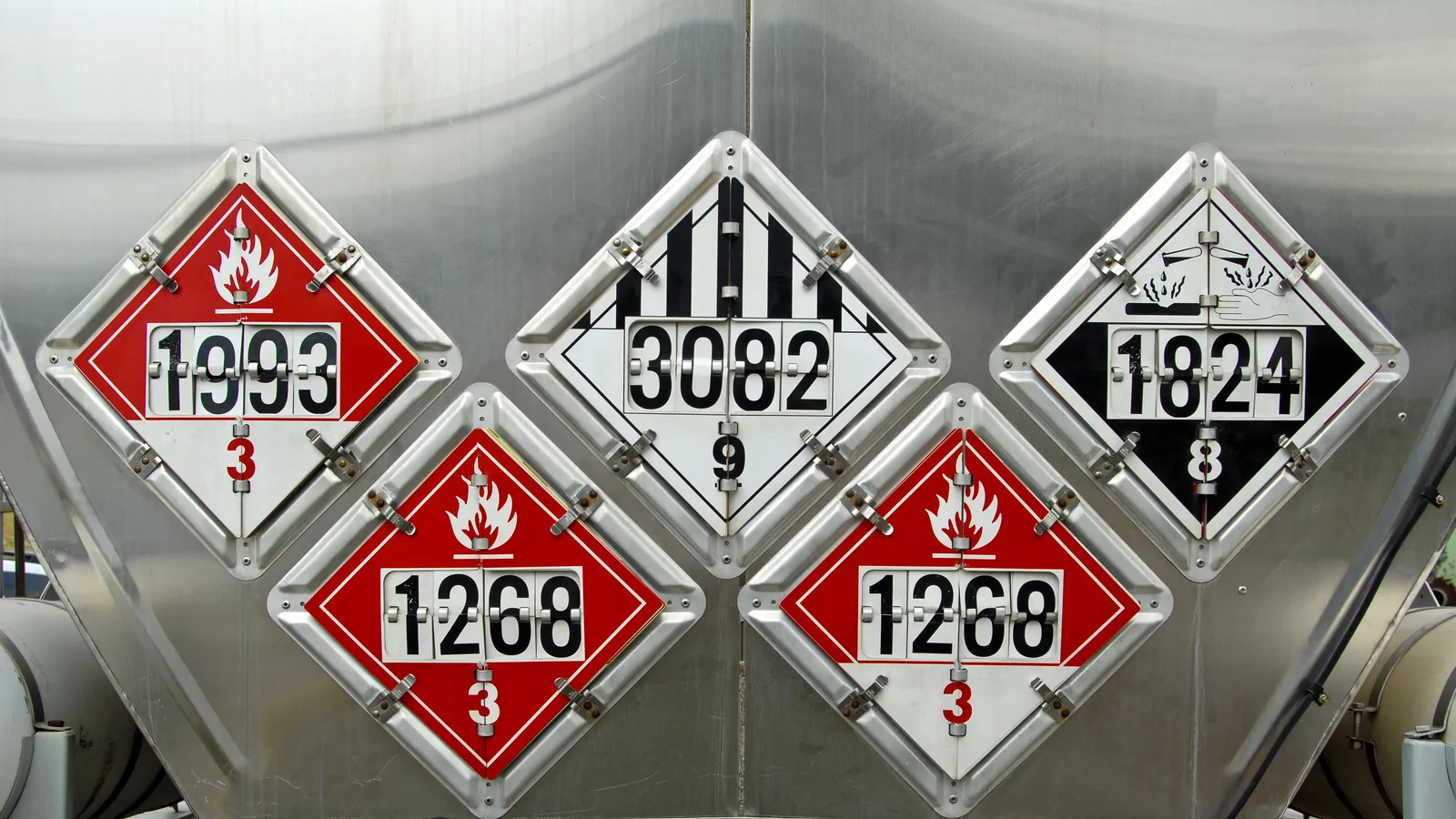

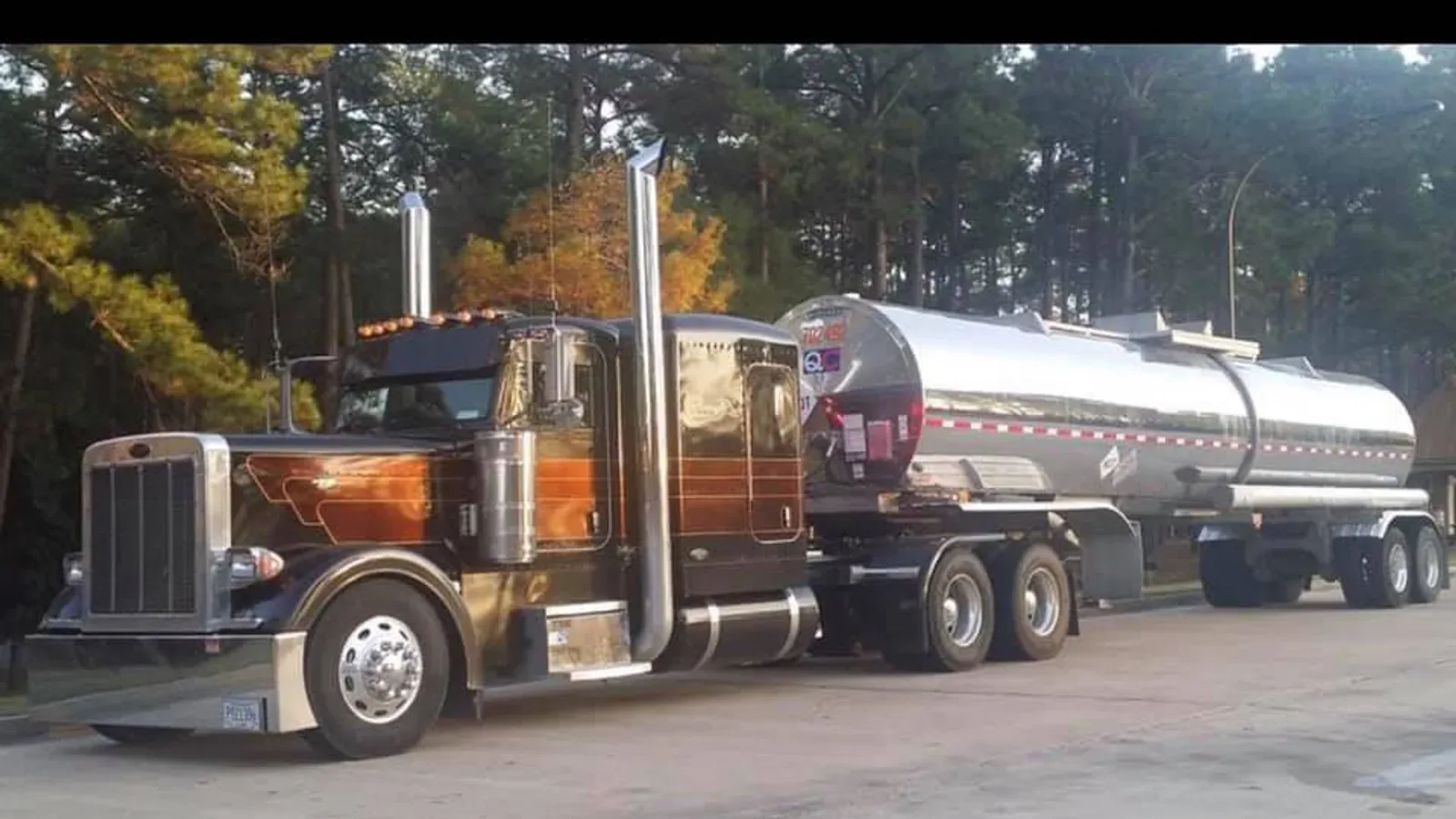
A tank wash is the cleaning cycle a tanker or ISO tank goes through between loads, using rinse, caustic, kosher or steam methods matched to the prior and next cargo to prevent contamination. Under 49 CFR 173.29, cargo tanks carrying hazardous materials are subject to residue and cleaning requirements before they can be reloaded with an incompatible product. Skip the wash or get it wrong and the next shipper's product is at risk, not the carrier's.
The wash matters because a tanker that hauled a caustic solution last week cannot simply be refilled with a food-grade oil or a pharmaceutical intermediate. Trace residue changes pH, introduces odor, or triggers an outright rejection at the receiving dock. DOT specification cargo tanks, including MC 331, DOT 407 and DOT 412, each carry different cleaning expectations depending on the hazard class of the product they last carried. A wash program is the compliance and quality control point that decides whether the next load moves at all.
What Tank Washing Is and Why It Matters
Every liquid bulk shipment carries a history: whatever moved through that tank before it. Product compatibility drives the wash requirement, and that requirement is set by regulation, not convenience. A tanker moving from a Class 8 corrosive to a food-grade product needs a documented, verifiable wash between the two, not a quick rinse the driver decides is good enough.
This is where shippers get exposed. If a wash is skipped, shortened, or done with the wrong method, the receiving party has no easy way to know until the product is already contaminated. That is why the wash record, not just the wash itself, is the control point a shipper should care about. A wash that happened but was never documented is functionally the same as a wash that did not happen, from a liability standpoint.
Total Connection treats tank wash as part of the liquid bulk chemical logistics service, not a separate errand the carrier handles on its own time. Coordinating the wash against the pickup and delivery window is scheduling work, and it belongs in the same tender conversation as equipment type and hazmat classification.
Types of Tank Washes
Wash type is set by what the tank carried last and what it carries next. The wrong method is as much of a failure as no wash at all.
Rinse or Pre-Rinse Wash
A rinse or pre-rinse wash flushes loose residue with water alone, either ahead of a heavier cycle or on its own when the prior and next products are fully compatible. It is the fastest cycle through a bay and is not sufficient for hazard class changes or food-grade transitions.
Caustic Wash
A caustic wash uses a heated alkaline solution to break down oils, resins and chemical residue that water will not remove. It is the standard cycle for tanks coming off Class 3, Class 8 and similar industrial loads before a product change.
Kosher / Food-Grade Wash
A kosher wash is required when a tank previously carried a non-kosher or incompatible product before a food-grade load, and certification typically requires supervision by a rabbinical authority. Food-grade transitions demand documented washes even when the prior product was not hazardous.
Steam and Hot Water Wash
A steam or hot water wash uses high-temperature injection to clear viscous residue, waxes and heavy films a caustic cycle leaves behind. It is common ahead of products sensitive to any residual film.
| Wash Type | Method | Typical Trigger |
|---|---|---|
| Rinse / Pre-Rinse | Water flush | Compatible product change, light residue |
| Caustic | Heated alkaline solution | Industrial chemical residue, hazard class change |
| Kosher / Food-Grade | Certified cleaning, rabbinical supervision | Transition to a food-grade or kosher load |
| Steam / Hot Water | High-temperature steam or water injection | Viscous residue, waxes, sensitive specialty product |
The Tank Wash Process, Step by Step
A tank wash is a sequence, and skipping or rushing a step is how failed inspections happen downstream. The tanker does not just pull into a bay and get hosed off. Each stage is checked before the tank moves to the next.
The sequence generally runs: bay check-in, where the facility logs the tank number and prior cargo; pre-rinse, to clear loose residue; the wash cycle itself, using caustic, kosher or steam methods matched to the product history; a final rinse to clear cleaning agents; a physical and sometimes chemical inspection of the tank interior; and issuance of the wash ticket that documents the entire cycle.
Each step depends on accurate information about what the tank carried last. A facility that gets the prior cargo wrong picks the wrong wash type, and that mistake does not surface until the next load is already contaminated. This is why the bill of lading and prior cargo history need to travel with the tank, not live only in a dispatcher's memory.
Why Scheduling Around Wash Time Matters
Wash bays have capacity limits, and a facility running at full load on a given day cannot wash a tanker on demand. Building wash time into the tender and appointment window, rather than treating it as a gap the carrier absorbs, is what keeps a load moving on schedule.
A tanker that finishes a delivery and needs a caustic wash before its next pickup is not immediately available, even if the driver's hours of service allow it. If a shipper's tender assumes the tank is ready the moment the prior load is off, the appointment window is built on a false assumption. This is especially true for product changes that require kosher certification or a steam wash, both of which involve more coordination than a standard caustic cycle.
- Confirm the wash type required for the product change before booking the appointment window, not after the tanker arrives at the bay.
- Build wash time into the transit plan for any load following a hazard class change or a food-grade transition.
- Ask the carrier or forwarder which wash facility is being used and whether it has capacity for the required wash type on the scheduled day.
Total Connection coordinates wash scheduling as part of its liquid bulk chemical logistics service, aligning the wash window with pickup and delivery dates so the tender does not stall on a step that should have been planned in advance.
How a Shipper Can Verify a Wash Was Done Correctly
The wash happening is not the same as the wash being verified. A shipper's responsibility does not end at requesting a wash; it extends to confirming the wash met the standard the product required before that tank is loaded.
Request and Review the Wash Ticket
The wash ticket is the primary record for verifying a wash occurred, documenting the wash type, date, facility and prior cargo. Reviewing it against the product's actual requirements, rather than filing it unread, is the single most effective verification step a shipper can take.
Check for Residual Odor or Residue
A physical check for odor, film or visible residue at the manway before loading is a fast way to catch a wash that was rushed or used the wrong method, even when the paperwork looks correct.
Confirm Wash Type Matches Product Requirements
Cross-check the wash type on the ticket against what the product transition actually requires, since a caustic wash where a kosher wash was needed will pass a casual glance but fail the standard that matters.
- Pull the wash ticket before the tanker is loaded, not after it has already left the facility.
- Match the documented wash type against the prior cargo and the next product's compatibility requirements.
- Inspect the tank interior or manway for odor or visible residue when the product is sensitive to trace contamination.
- Keep wash tickets on file as part of the shipment record in case a contamination claim surfaces later.
Wash Failures and What They Cost
A failed wash inspection does not just delay one load. It sends a tanker back for a rewash, pushes the appointment window, and can trigger demurrage charges if the tank was scheduled against a fixed vessel or rail slot. A rejected load at the receiving dock is worse, since it means product has already been loaded into a contaminated tank and now needs to be diverted or discarded.
The financial exposure runs in both directions. The shipper whose product was contaminated by a bad wash bears the cost of the rejected load, and the shipper whose tender assumed a wash was already complete bears the cost of the delay. Neither outcome is recoverable after the fact in the way that a five-minute wash ticket review before loading would have prevented.
For hazmat and food-grade transitions in particular, a failed wash is also a compliance issue, not just a scheduling one. A tank that does not meet the cleaning standard required by 49 CFR 173.29 for its next hazard class should not be loaded, regardless of how tight the appointment window is.
Getting Tank Wash Right on Every Load
Tank wash is a small line item on a rate confirmation and a large point of exposure if it is treated as an afterthought. Knowing the wash types, building wash time into the schedule, and reviewing the wash ticket before loading are the three habits that keep a liquid bulk program running without a contamination claim.
Total Connection runs tank wash coordination as part of a full liquid bulk program, with the same team handling the drayage, truckload, ocean, air and warehousing legs for shippers who need more than one mode covered. For the wider picture, start with our complete guide to liquid bulk freight, then read ISO tank previous cargo requirements and our breakdown of liquid bulk tanker loading and unloading. Shippers moving edible product should also see how food-grade tanker companies handle wash certification. To move a load that needs a documented wash program behind it, request a quote at /quote?mode=liquid-bulk or read more about our liquid bulk chemical logistics service.
How long does a tank wash take?
Wash time varies by wash type and facility load, since a rinse cycle moves faster than a caustic or steam wash. Bay availability at the wash facility can add more delay to the schedule than the wash cycle itself, especially during high-volume periods.
Who pays for a tank wash?
The party responsible for arranging the prior load typically covers the wash cost, though this varies by shipper contract and carrier agreement. Shippers should confirm wash responsibility in the tender or rate agreement rather than assuming it by default.
What is a wash ticket?
A wash ticket is the documentation issued after a tank wash confirming the wash type, date, facility and prior cargo carried. It is the shipper's primary record for verifying that a wash actually occurred and matched the product's requirements.
Do all tankers need to be washed between every load?
Product compatibility determines whether a wash is required between loads, not a blanket rule. Some product changes, particularly hazard class changes or transitions to food-grade cargo, require a documented wash every time, while fully compatible product changes may not.
What happens if a tank wash fails inspection?
A failed inspection sends the tanker back for a rewash, which delays the appointment window and can trigger demurrage if the load was scheduled against a fixed vessel or rail slot. If the load was already placed in a contaminated tank, the receiving party may reject it outright, which is a larger cost than the wash delay itself.