
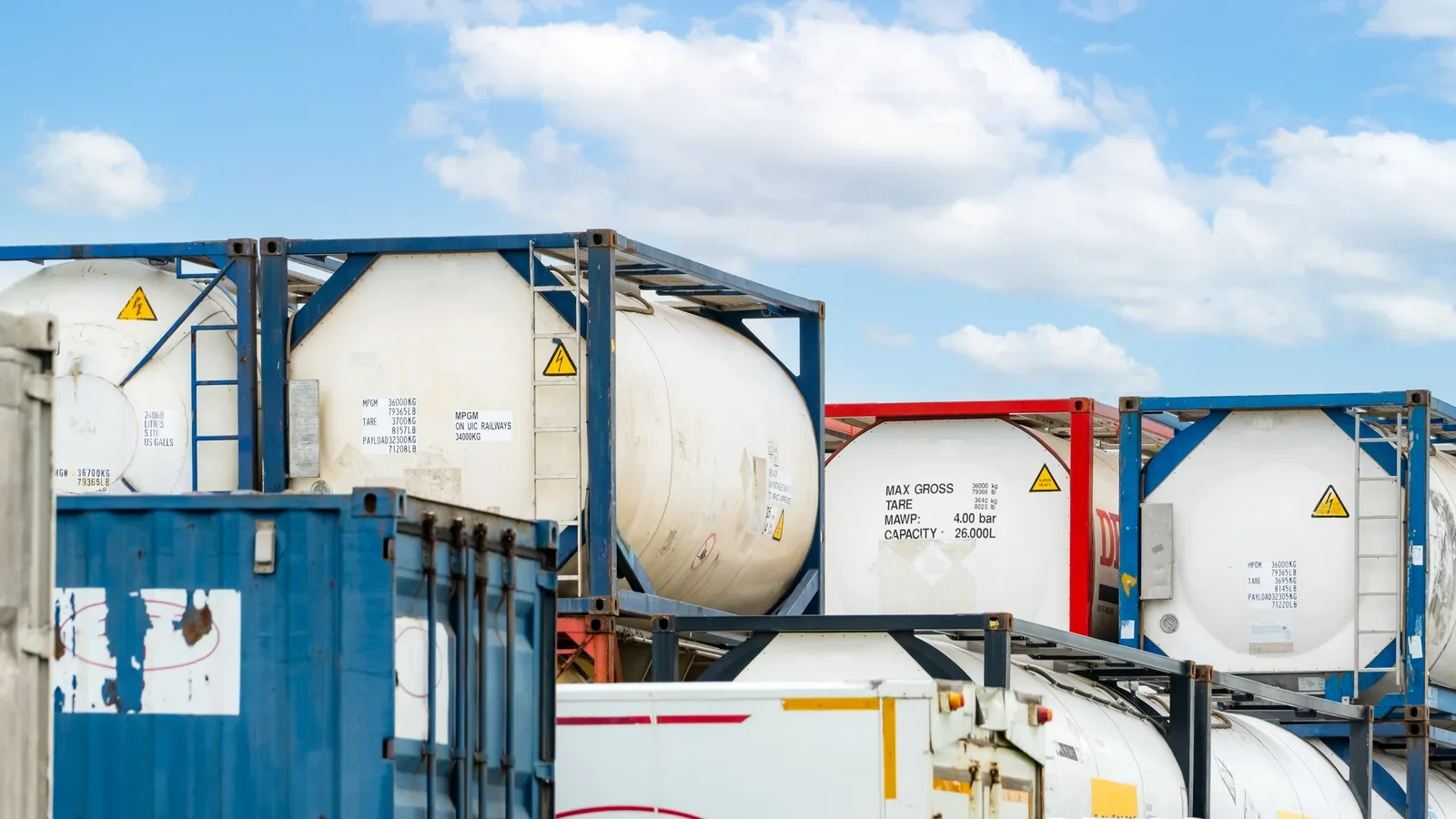
ISO tank previous cargo requirements are the carrier and terminal rules that track the last 3 cargoes a tank carried and the rinse or cleaning standard required before a new, incompatible product can load. IMO and CDI practice sets that window at 3 prior cargoes, and a tank that clears it arrives with a certificate from a CDI-certified cleaning station naming the wash method and the rinse water test results. Tanks in hazmat service also have to meet the UN portable tank standards referenced under 49 CFR 178.274 and carry placards for the current cargo. Miss the paperwork on any one of those 3 cargoes and the tank gets turned away at the rack, not at the office, and on many trade lanes the next sailing is 7 to 14 days out.
What Is the Previous Cargo List and Why It Determines Tank Acceptance
Every ISO tank carries a record of what it hauled last. Industry practice, following IMO and CDI convention, tracks the previous 3 cargoes carried in a tank, and each new booking is checked against that record for chemical compatibility before the terminal will accept the load. This is not a formality. A tank that carried a strong acid two cargoes ago and was never fully requalified can still carry trace contamination that reacts with a new caustic or oxidizer load.
Three-cargo tracking convention
The 3-cargo window exists because a single wash cycle does not always remove every trace of a prior product, especially with viscous or reactive chemicals. Terminals and carriers ask for the full history, not just the immediate prior cargo, because compatibility problems can surface from residue two or three cargoes back. A shipper who only checks the last cargo is checking the wrong list.
For a logistics manager tendering a load, this means the previous cargo list has to be requested and reviewed before the tank is booked, not after it shows up at the plant gate. The carrier or lessor holds this record, and it should travel with every tank offer. If it does not come with the offer, ask for it in writing before the booking is confirmed.
Previous Cargo Categories and Rinse Requirements
Previous cargoes generally fall into three categories once checked against the new product: compatible, conditional, and prohibited. A compatible history means the tank can load as-is with a standard rinse. A conditional history means the tank can load only after a specific wash method, sometimes a hot caustic wash or a steam clean, and a rinse water test confirming the residue is below a set threshold. A prohibited history means the tank cannot carry the new product at all without full requalification, which can include internal inspection.
Compatible, conditional and prohibited categories
- Compatible: the prior cargo and the new cargo share no reactive chemistry, and a standard water or solvent rinse clears the tank for loading.
- Conditional: the prior cargo requires a specific wash method and a documented rinse water test before the new product can load.
- Prohibited: the prior cargo is chemically incompatible with the new product regardless of wash method, and the tank must be requalified or swapped entirely.
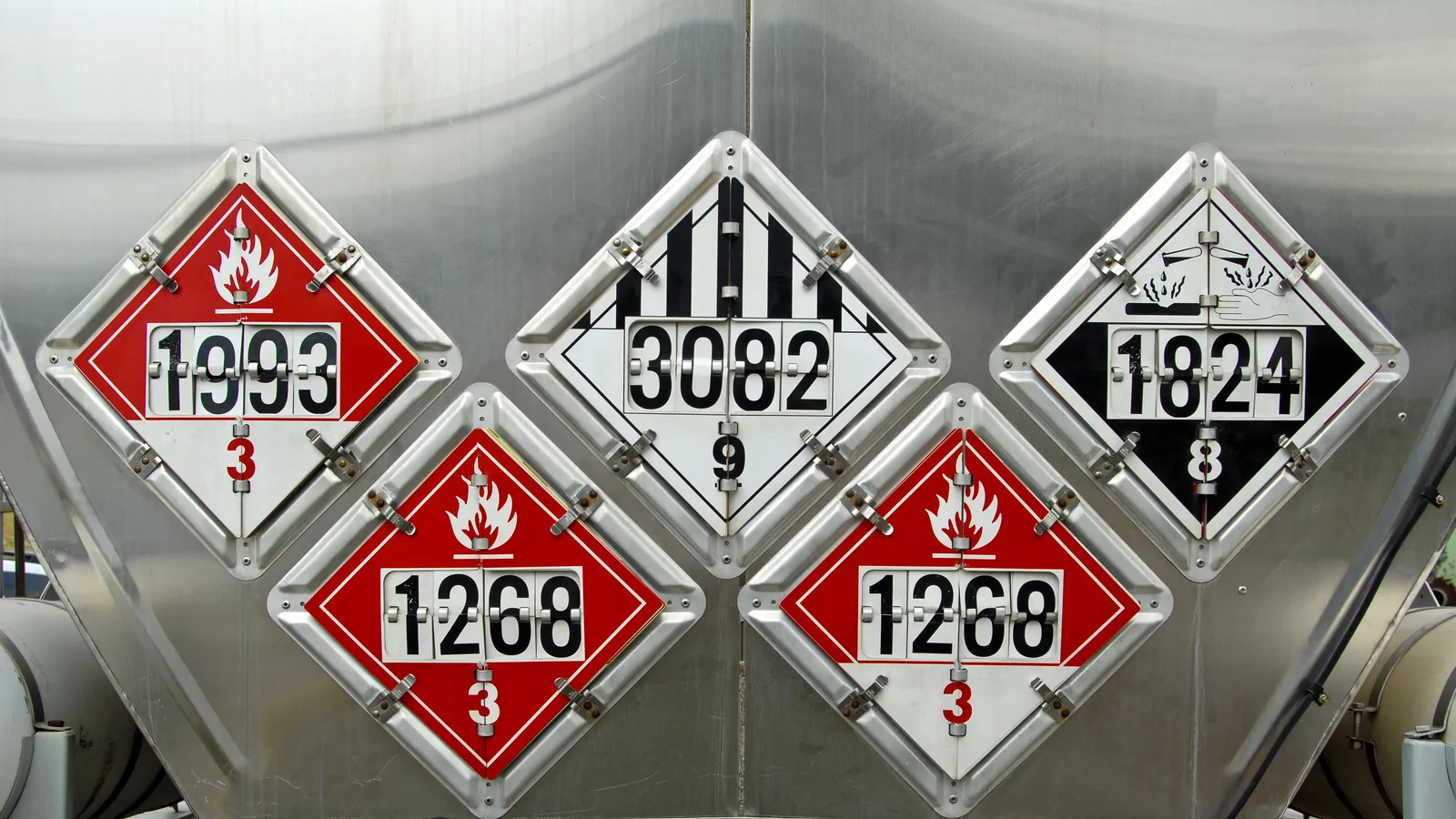
ISO tanks used for hazardous materials must also meet UN portable tank standards referenced under 49 CFR 178.274, and they are placarded according to the hazard class of the current cargo, not the previous one. That means the placard on the tank when it arrives at the plant reflects what it is about to carry, and the previous cargo list is the paper trail that got it there clean.
Cleaning Certificates Carriers and Terminals Actually Accept
A cleaning certificate is the document a terminal or carrier checks before releasing a tank for loading. The format that gets accepted without question is one issued by a CDI-certified tank cleaning station, specifying the wash method used, the rinse water test results, and the prior cargo cleared from the tank. Certificates without a wash method, without a rinse water result, or from a station the receiving terminal does not recognize get flagged and often rejected outright.
This is where a lot of shipments lose time that has nothing to do with the freight itself. A tank can be mechanically sound, correctly placarded under 49 CFR 178.274, and on schedule, and still sit at the gate because the certificate on file does not match the format the terminal's compliance desk expects. The fix is knowing which stations the destination terminal accepts before the tank is even nominated, not discovering it at the rack.
Shippers moving sensitive or reactive products should ask for the certificate in advance of tender, not at pickup. A carrier that cannot produce a current, station-issued certificate with wash method and rinse water results on request is a carrier whose tank should not be booked for that load.
Spot Booking vs a Dedicated Tank Wash Program
Shippers generally choose between two approaches: booking a tank against whatever previous cargo list and certificate the carrier offers at tender, or running a dedicated tank wash program that prequalifies tanks ahead of need. The right choice depends on how sensitive the product is, how tight the vessel schedule is, and how often the lane runs. A quarterly shipment of a tolerant product and a weekly shipment of a reactive one do not warrant the same process.
| Approach | Best for | Risk profile |
|---|---|---|
| Spot booking against previous cargo list | Infrequent shipments of less reactive products | Higher chance of rejection at load if the list or certificate does not match at tender time |
| Dedicated tank wash program | High-value, high-frequency, or highly reactive chemical lanes | Tanks are requalified and certified before the tender, cutting rejection risk at the rack |
| Tank swap on rejection | Emergency recovery after a failed load attempt | Recovers the shipment but absorbs demurrage and a missed vessel or delivery window |
A dedicated wash program shifts the compatibility check earlier in the process. Instead of discovering a conditional or prohibited cargo history at the rack, the shipper's forwarder has already matched tanks to the product before the booking is confirmed. For lanes that run weekly or monthly, this removes a recurring point of failure from the schedule and puts the wash cycle on a calendar the shipper controls rather than one the vessel cutoff controls.
What Happens When a Tank Is Rejected at Load
A rejected tank at a load port does not just cost the wash cycle. The shipment can miss the vessel's cutoff, and on many trade lanes the next available sailing runs 7 to 14 days out, which means the shipper is exposed to demurrage on the container yard, storage fees at the plant or terminal, and a rebooking scramble to find another qualified tank before the new cutoff.
None of this shows up as a line item until it has already happened. The tank looked fine on paper, the booking was confirmed, and then the previous cargo list or the certificate did not hold up under review at the gate. The shipment sits while a new tank is sourced, washed if needed, certified, and inspected, and the shipper absorbs every day of that cycle in demurrage and delay.
This is the scenario a dedicated wash program exists to prevent. Requalifying tanks before they are tendered against a specific load moves the failure point from the vessel cutoff to a schedule the shipper controls, where a rewash costs hours instead of a sailing.
Building a Requalification Process Before the Tender
Shippers who move reactive or high-value liquid bulk regularly benefit from a standing requalification process rather than a one-off check at each tender. The process does not need to be complex, but it does need to run every time, not just when a problem has already happened once.
- Request the previous 3 cargoes carried in the tank before accepting the booking, not after the tank arrives at the plant gate.
- Confirm the cleaning certificate is issued by a CDI-certified station, dated, and includes both the wash method and the rinse water test results.
- Match the previous cargo categories against the new product using the compatible, conditional, and prohibited framework before confirming the tender.
- Verify the tank meets the UN portable tank standard referenced under 49 CFR 178.274 for the hazard class being loaded, and that placarding reflects the current cargo.
- For repeat lanes, prequalify a pool of tanks through a dedicated wash program so the compatibility check happens ahead of the vessel schedule, not against it.
A shipper running this checklist consistently turns tank qualification from a gate-side gamble into a scheduled step that happens before the freight is even booked. That is the difference between a program and a scramble.
Working With Total Connection on ISO Tank Sourcing and Wash Programs
Total Connection sources and requalifies ISO tanks as part of its liquid bulk and chemical logistics capability, matching tank history and cleaning certificates to the product before the load is tendered. The same team that manages tank wash programs also handles the drayage to the rail ramp, the export documentation, the customs entry and the domestic truckload leg on either end, so the shipment runs as one program rather than a set of separate handoffs. Thirty years of moving liquid bulk chemicals, an FMC OTI/NVOCC license and $5M general liability sit behind that work.
For the wider context on how tanks, flexitanks, IBCs and drums fit together across a chemical program, start with our complete guide to liquid bulk freight, and for the fundamentals of booking and moving tanks read our ISO tank container shipping guide. The loading and unloading procedures that decide what a tank's next previous cargo record looks like are covered in our liquid bulk tanker loading and unloading breakdown. To get tanks qualified, washed and booked for your product, talk to our liquid bulk and chemical logistics team and request a liquid bulk quote.
What is a previous cargo list on an ISO tank?
A previous cargo list is the record of the last 3 cargoes a tank carried, used by carriers and terminals to check chemical compatibility before a new product is allowed to load. Terminals request this list before accepting a booking, not after the tank arrives at the rack.
How many previous cargoes do carriers track before requiring a wash?
Industry practice, following IMO and CDI convention, tracks the previous 3 cargoes carried in a tank. Incompatibility with any of those three, not just the immediate prior cargo, can trigger a mandatory wash before the new product loads.
What cleaning certificate do terminals require for ISO tanks?
Terminals generally accept certificates issued by CDI-certified tank cleaning stations that specify the wash method used and the rinse water test results. A certificate missing either detail, or issued by a station the terminal does not recognize, is often rejected on the spot.
What happens if an ISO tank is rejected at the load port?
The shipment can miss the vessel's booked cutoff, and on many trade lanes the next available sailing runs 7 to 14 days out. The shipper absorbs demurrage, storage fees, and the time it takes to source and certify a replacement tank.
Is a dedicated tank wash program worth it for infrequent shippers?
It depends on how sensitive the product is and how often the lane runs. High-value or highly reactive products, and lanes that run weekly or monthly, generally justify prequalifying tanks ahead of tender rather than checking compatibility at the last minute.