
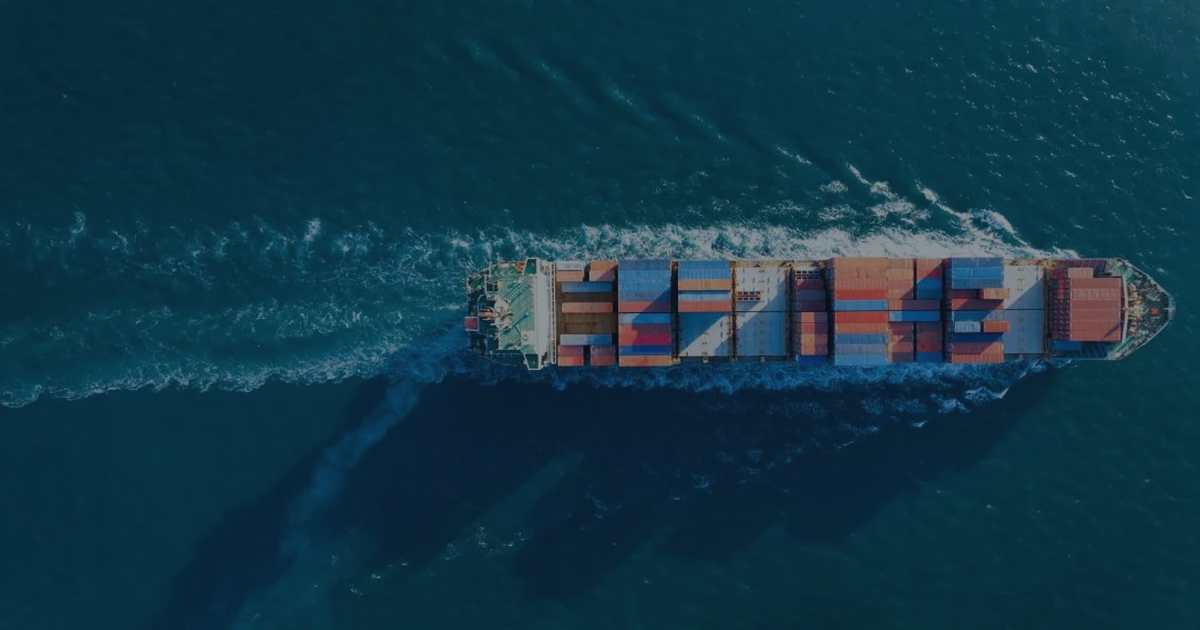
Ocean container shipping rates are volatile. They can double in a month during a capacity crunch and drop by half when demand softens. Understanding what drives these rates helps you budget more accurately, negotiate better contracts, and time your shipments to avoid the worst pricing.
The major factors that affect ocean rates
Fuel costs (bunker surcharges)
Marine fuel, bunker fuel, is one of the largest operating costs for ocean carriers. When oil prices rise, carriers pass the increase to shippers through bunker adjustment factors (BAF) or fuel surcharges. The transition to low-sulfur fuels under IMO 2020 regulations permanently increased the baseline fuel cost for ocean shipping.
Carrier capacity and vessel supply
Ocean shipping rates are fundamentally driven by supply and demand. When there are more containers to ship than there is space on vessels, rates rise. When vessel space exceeds demand, rates fall. Carriers manage this by adjusting capacity, adding vessels to routes when demand is high, and blank sailing (canceling scheduled voyages) when demand drops to prevent rates from falling too far.
Trade lane dynamics
Rates vary dramatically between trade lanes. Asia-to-US rates are typically higher than US-to-Asia because of the trade imbalance, far more goods flow from Asia to the US than the reverse. Routes with heavy competition between carriers tend to have lower rates. Routes with limited carrier options have higher rates and less negotiating leverage for shippers.
Container type and size
Standard 20-foot and 40-foot dry containers have the most competitive rates because they're the most common. Specialized equipment, 40-foot high cube, reefer containers, open-top, flat rack, ISO tanks, carries premium rates due to limited availability and higher operating costs.
Seasonal demand
Ocean shipping has predictable seasonal peaks. The pre-Chinese New Year surge (January-February), the pre-peak season buildup (July-September ahead of holiday retail), and the produce season all drive rate increases. Shipping during off-peak periods, March-May and November-December, often yields better rates.
Surcharges and accessorials
Beyond the base ocean rate, shippers face a range of surcharges: peak season surcharges (PSS), congestion surcharges at busy ports, currency adjustment factors (CAF), war risk surcharges, piracy surcharges for certain routes, terminal handling charges (THC), and documentation fees. These surcharges can add 20-40% to the base rate.
Contract vs spot market
Contract rates, negotiated annually with volume commitments, provide price stability but may be above or below spot rates at any given time. Spot rates reflect current market conditions and can be significantly cheaper or more expensive than contract depending on the cycle.
How to manage ocean freight costs
Blend contract and spot. Lock in contracts for your core volume and use spot for overflow and opportunistic shipping.
Be flexible on timing. Shipping a week earlier or later can avoid peak surcharges and congestion premiums.
Optimize container utilization. A container shipped at 70% capacity costs the same as one at 100%. Maximize fill rates to reduce per-unit shipping costs.
Work with an NVOCC. NVOCCs negotiate volume rates with carriers and pass savings to shippers. Their consolidated buying power often beats what individual shippers can negotiate directly.
How Total Connection manages your ocean freight costs
As a licensed NVOCC, we negotiate rates directly with all major ocean carriers. We monitor rate trends, advise on contract vs spot timing, and optimize your container utilization to minimize per-unit costs. Call 732-817-0401 or request a quote.
Frequently Asked Questions
What factors affect ocean container shipping rates?
Rates are influenced by fuel costs, supply-demand balance, route congestion, seasonal demand, port fees, equipment availability, carrier capacity, container type (20' vs 40', standard vs reefer), and market conditions on specific trade lanes.
Why do ocean freight rates fluctuate so much?
Ocean shipping is a commodity market driven by global supply and demand. Rates spike when cargo volume exceeds vessel capacity and drop when capacity exceeds demand. External factors like fuel price changes, port congestion, labor disruptions, and geopolitical events also cause volatility.
How can I get lower ocean freight rates?
Volume commitments, flexible scheduling, booking during off-peak periods, consolidating shipments, negotiating service contracts with carriers, and using a freight forwarder with strong carrier relationships can all reduce ocean freight costs.
What is a freight all-kinds (FAK) rate?
A FAK rate is a flat rate per container regardless of commodity type. It simplifies pricing for mixed or general cargo but may be higher than commodity-specific rates for certain products.
Does Total Connection offer contracted ocean freight rates?
Yes. We maintain negotiated service contracts with major ocean carriers on key trade lanes. Our volume gives us access to preferential rates that we pass on to customers, along with dedicated account management and priority booking.
Frequently Asked Questions
Why do ocean freight rates change so much?
Rates are driven by supply and demand for vessel space. When demand exceeds capacity, rates spike. When capacity exceeds demand, rates drop. Carriers manage this through blank sailings and capacity adjustments, but rates remain inherently volatile.
What is a blank sailing?
When an ocean carrier cancels a scheduled voyage to reduce available capacity and prevent rates from falling further. Blank sailings are common during demand downturns.
When is the cheapest time to ship by ocean?
Generally March-May and November-December, between the peak season surcharges. Avoid July-September (pre-holiday peak) and January-February (pre-Chinese New Year) for the best rates.
What surcharges should I expect on top of the base rate?
Bunker/fuel surcharge, terminal handling charges, documentation fees, and potentially peak season surcharges, congestion surcharges, currency adjustment factors, and war risk surcharges depending on the route and timing.