
Budgeting freight for a new chemical plant means estimating equipment, lane capacity and cost before any shipment history exists, a gap standard carrier rate quotes cannot fill. A new production line still has to move product under the same rules as an established one: hazmat shipments fall under 49 CFR Parts 172 through 180 regardless of whether the plant has shipped one load or one thousand. The classification drives the equipment, and the equipment drives the cost, but without a track record, carriers have nothing to price against except risk.
Most startup teams approach freight budgeting the same way they approach raw material procurement: get three quotes, pick a number, build the line item. That works for inputs with a market price. It does not work for freight on a lane nobody has run. A tank truck rate quoted for a proven corridor with daily volume looks nothing like a quote for a corridor where the carrier is guessing how often the plant will actually tender a load.
The result is budgets that are wrong in one of two directions. Teams that assume contract-level pricing from day one get hit with spot premiums they did not plan for. Teams that pad the budget heavily for unknown risk end up overstating freight cost to finance by a wide enough margin that it undermines the whole startup pro forma. Neither failure is about bad math. Both come from trying to price a lane the way you would price an established one, when the actual problem is sequencing: what gets committed, and when.
Why New Plant Freight Budgets Fail Without Shipment History
A freight budget built before first production is really two separate estimates stacked together: what the shipment mix will look like, and what it will cost to move it. Plants coming out of commissioning rarely know either number with confidence. Volume projections shift as yield stabilizes. Packaging and mode choices change as customers confirm their own receiving requirements. A budget locked to a single rate assumption before either variable settles is a budget built to be wrong.
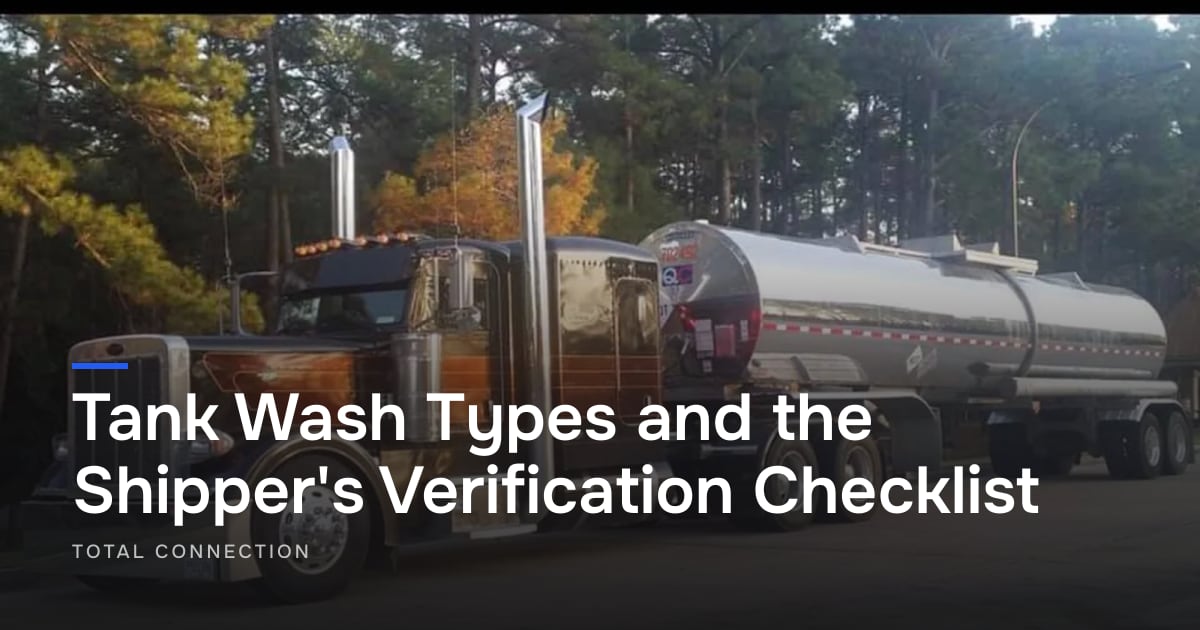
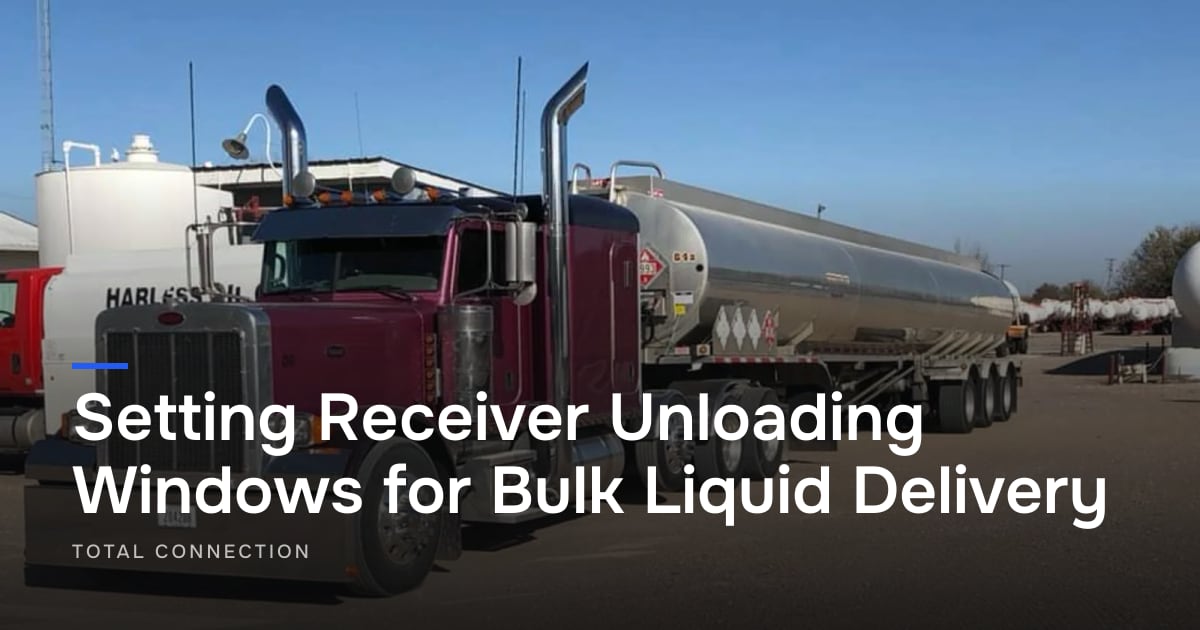
The deeper issue is that carriers price risk, not just miles. A lane with twelve months of consistent tender history gets a different rate than the same lane with zero history, even if the distance, product and equipment type are identical. Carriers allocating DOT 407 or DOT 412 tank trailers, or ISO tank containers for international movements, prioritize committed volume because idle equipment costs them money. A plant asking for capacity on a lane with no shipping history is asking a carrier to take on uncertainty, and that uncertainty shows up in the rate, the lead time, or both.
Treating the first production quarter as a pricing phase rather than a line item fixes this. Spot capacity costs more per load, but it does not require the plant to guess volume twelve months out. The budget becomes a sequence of decisions tied to actual ramp data instead of a single number carried for a full fiscal year.
The Three-Phase Freight Commitment Framework
The fix for budgeting without history is to stop trying to predict the full-year freight cost up front and instead budget in three phases, each tied to a production milestone rather than a calendar date.
Phase 1: Spot capacity during commissioning
During commissioning, shipment timing and volume are unpredictable by definition. Spot market pricing for tank truck capacity is typically higher and less predictable than contracted dedicated rates, and that premium should be the baseline in the budget for this phase, not an exception. Spot sourcing also avoids locking the plant into a committed volume it cannot yet confirm.
Phase 2: Partial dedicated equipment as volume validates
Once shipment frequency starts to stabilize, usually as production moves past initial commissioning runs, the plant can begin layering in partial dedicated equipment on its highest-frequency lanes while keeping spot capacity as overflow for everything else. This is where a forwarder with dedicated trailer campaigns and mid- to long-term equipment rental programs matters: the plant gets reserved capacity on proven lanes without committing to a full dedicated fleet before the volume justifies it.
Phase 3: Full dedicated lanes at run rate
At run rate, with volume and frequency both confirmed, the plant moves its core lanes to full dedicated equipment at a negotiated rate. This is the phase where the freight budget finally resembles a stable, predictable line item instead of a range built on assumptions.
Estimating Equipment Needs Before Volume History Exists
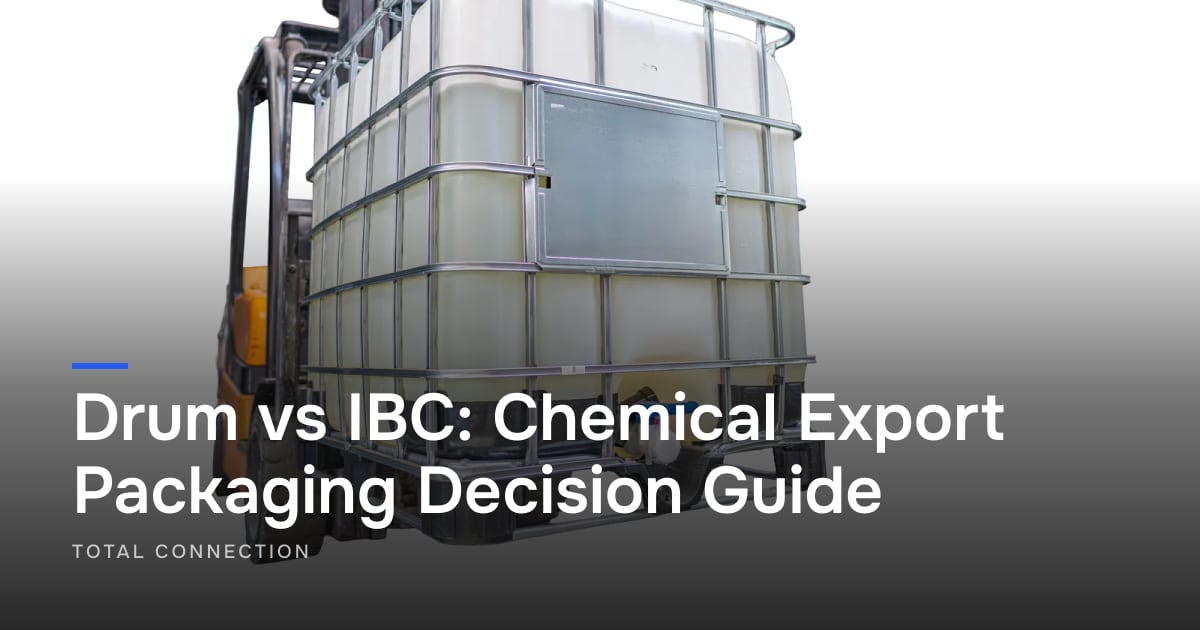
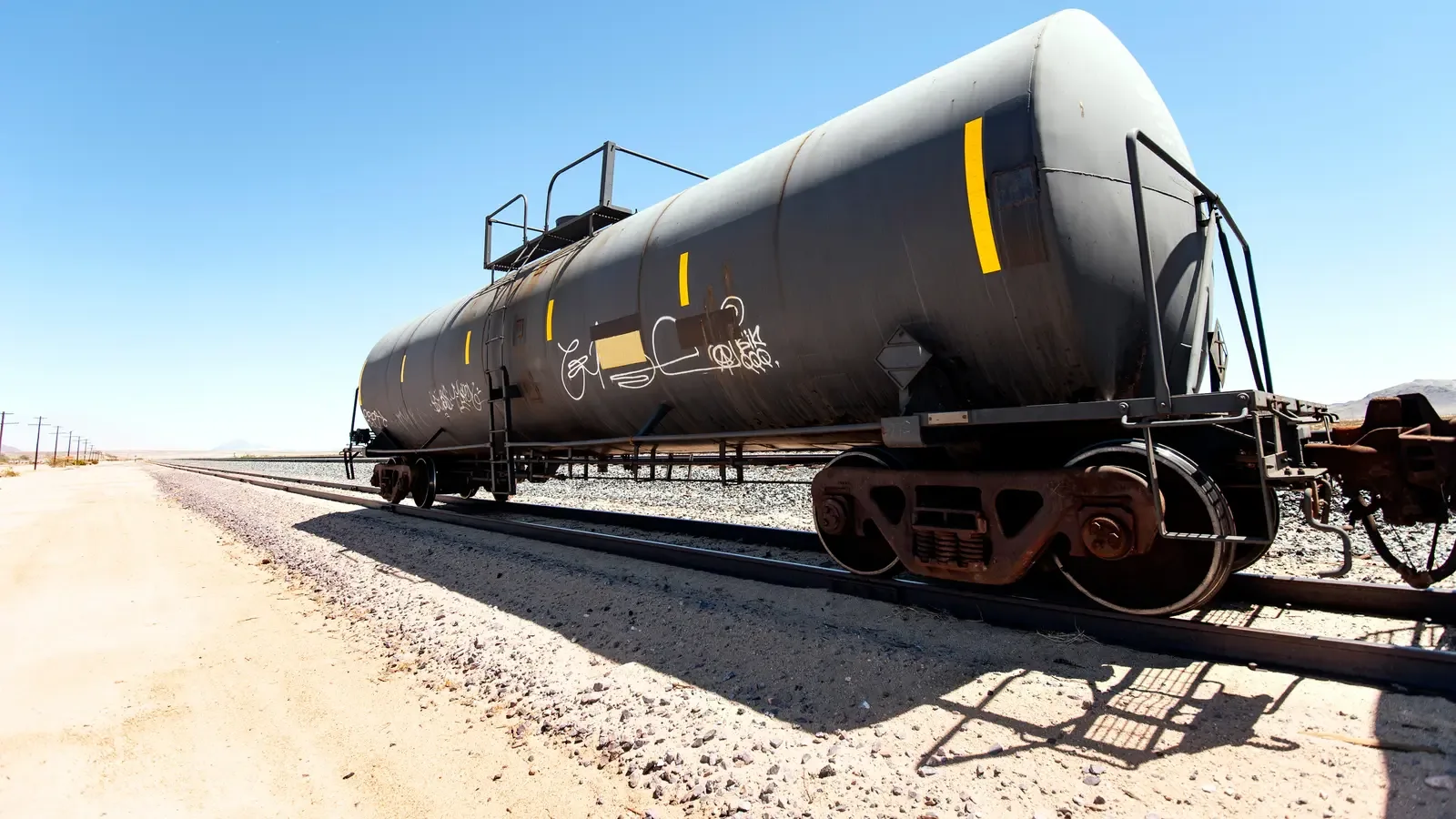
Equipment selection does not wait for volume history, because it is driven by product classification, not shipment frequency. A product's UN number, hazard class and packing group determine whether it moves in a DOT 407 tank trailer, a DOT 412 tank trailer, an ISO tank container, or packaged in drums or IBCs. Settling this classification before requesting capacity is a precondition for an accurate budget, not a step that happens later.
Once classification is settled, the budgeting question becomes lead time. ISO tank containers and DOT 407/412 tank trailers typically require longer lead times for allocation on a lane with no shipping history, because carriers prioritize committed volume over speculative capacity. A plant that waits until the week before first shipment to request equipment on an unproven lane is budgeting on hope, not on carrier reality.
- Confirm product classification under 49 CFR Parts 172 through 180 before requesting any equipment quotes, since hazard class and packing group determine trailer type.
- Request lead-time estimates from carriers for the specific equipment type on the specific lane, not a general market lead time, since unproven lanes run longer than established ones.
- Build in a buffer for commissioning-phase shipment timing variability, since production schedules during startup rarely hold to the original plan.
These three steps turn an equipment guess into an equipment estimate the finance team can actually use.
How Carriers Price Capacity for Unproven Volume
Spot and dedicated capacity are priced on fundamentally different logic, and a startup budget needs to account for both. Spot capacity is sourced shipment by shipment at market rates with no long-term commitment from either side. Dedicated equipment is reserved for a plant's specific lanes at a negotiated rate, but only once the carrier has enough confidence in volume to justify holding equipment against it.
| Factor | Spot capacity | Dedicated equipment |
|---|---|---|
| Commitment required | None, priced per shipment | Volume commitment negotiated in advance |
| Typical cost per load | Higher, reflects carrier risk | Lower, reflects guaranteed utilization |
| Lead time for new lanes | Shorter, sourced from available market capacity | Longer, requires carrier to allocate dedicated equipment |
| Best fit for | Commissioning-phase or variable volume | Proven, stable lane volume at run rate |
The budgeting mistake is pricing the full year at dedicated rates while actually sourcing spot capacity for the first several months. The gap between those two numbers is exactly the premium a startup budget needs to carry until volume is proven.
Budgeting Checklist for Plant Startup Freight Planning
Before the budget goes to finance for sign-off, a startup freight plan should confirm the following items, each one tied to a decision somebody on the team has to make anyway:
- Product classification is finalized for every material the plant will ship, including UN number, hazard class and packing group under 49 CFR Parts 172 through 180.
- Equipment type is identified for each product, whether that is a DOT 407 trailer, a DOT 412 trailer, an ISO tank container or packaged freight in drums or IBCs.
- Spot capacity is budgeted as the baseline cost for at least the first production quarter, not the contracted dedicated rate the plant hopes to reach later.
- Tank wash requirements and turnaround expectations are confirmed for every product that needs a cleaned trailer between loads, since wash scheduling affects how fast equipment comes back into rotation.
- A milestone, not a calendar date, is set for when the plant will reassess moving from spot to partial dedicated capacity.
- A forwarder is in place that can source spot capacity now and shift to dedicated equipment later without a new vendor onboarding cycle.
Each item closes a gap that otherwise gets discovered mid-commissioning, when the line is already running and there is no time left to fix it without holding finished product on site.
Common Mistakes in New Plant Freight Budgets
The same handful of errors show up repeatedly in new plant freight budgets, and all of them are avoidable with the phased approach above.
- Budgeting at dedicated rates before volume exists, which understates true commissioning-phase cost and creates a budget shortfall in the first quarter.
- Requesting equipment at the last minute, which ignores the longer lead times carriers apply to lanes without shipping history.
- Locking in dedicated trucking before volume is validated, which creates fixed cost the plant cannot yet justify if ramp timelines slip.
- Treating classification as a paperwork step instead of the input that determines equipment type and therefore cost.
- Working with a carrier or forwarder that can only offer one type of capacity, forcing the plant to re-source when it moves from spot to dedicated.
Most of these mistakes trace back to the same root cause: pricing the freight budget as a single static number instead of a sequence tied to production milestones.
Building the Freight Budget With a Forwarder Before Startup
A freight budget for a new chemical plant works best when it is built with a forwarder that can run every phase of the ramp without a vendor change: spot capacity during commissioning, partial dedicated equipment as volume validates, and full dedicated lanes at run rate. The same team should also be able to handle the rest of the plant's freight, from the inbound raw material truckload to the drayage, the warehousing, the customs entry and the outbound export leg, rather than treating the liquid bulk lane as a separate relationship from everything else moving through the gate.
Total Connection builds these budgets with plant teams before first shipment, using dedicated trailer campaigns, sourced warehousing and mid- to long-term equipment rental programs to phase in capacity as volume is proven rather than guessed. For the full picture on liquid bulk capability, see the complete guide to liquid bulk freight, and for more on the spot-to-dedicated decision, read the case for dedicated trucking and how spot and contract freight rates compare. Plant teams ready to start budgeting with real equipment options can request a quote through our liquid bulk and chemical logistics team at /quote?mode=liquid-bulk.
How do you budget freight for a plant that has never shipped before?
Budget in phases rather than as a single annual number: spot capacity during commissioning, then partial dedicated equipment once volume is validated, then full dedicated lanes at run rate. Spot rates should be the baseline budget assumption for the first phase since they run higher than contracted dedicated rates.
Should a new plant lock in dedicated trucking before startup?
Dedicated capacity is usually premature until volume is validated over a commissioning period. Locking it in before volume is proven creates fixed cost the plant cannot yet justify, and ramp timelines often shift during early commissioning.
How long does it take to get tank trucks or ISO tanks on a new lane?
Lead times run longer on unproven lanes because carriers prioritize committed volume over speculative capacity. The equipment type, whether DOT 407, DOT 412 or ISO tank, depends on product classification under 49 CFR Parts 172 through 180, which should be settled before requesting capacity.
What is the difference between spot and dedicated freight for a new chemical plant?
Spot capacity is sourced shipment by shipment at market rates with no long-term commitment, while dedicated equipment is reserved for the plant's specific lanes at a negotiated rate once volume is proven. Spot costs more per load but carries no volume commitment, which fits the uncertainty of a plant still in commissioning.
When should a plant move from spot capacity to dedicated trucking?
The move makes sense once shipment volume and frequency stabilize enough to justify a fixed-cost commitment, typically after the first full production quarter. Moving too early risks locking in capacity against volume projections that have not yet held up through a real production cycle.