
Wharfage is a fee charged by a port or wharf operator for the use of the wharf, the structure where vessels dock to load and unload cargo. It's one of the many port-related charges that appear on your ocean freight invoices, and it's one that many shippers pay without fully understanding what it covers.
What wharfage covers
Wharfage is the charge for using the physical wharf infrastructure, the dock, the berth, the quay wall, and the associated port facilities that allow cargo to move between vessel and shore. It's distinct from other port charges like terminal handling (the labor and equipment to move containers within the terminal), demurrage (storage charges for containers that overstay their free time), and dockage (the charge for the vessel occupying the berth, paid by the ship operator).
Think of wharfage as rent for using the dock. Every piece of cargo that crosses the wharf, inbound or outbound, incurs a wharfage charge.
How wharfage is calculated
Wharfage charges vary by port and are typically calculated based on cargo type and weight or volume. Most ports publish their wharfage tariffs, which specify rates per metric ton, per revenue ton (the greater of weight or measurement ton), or per container (TEU/FEU).
Container wharfage is usually a flat fee per container unit. Breakbulk wharfage is typically charged per metric ton. Liquid bulk wharfage may be charged per metric ton or per barrel.
Wharfage vs. demurrage vs. detention vs. dockage
These four charges appear on ocean freight invoices, mean very different things, and get confused by shippers regularly. Knowing which is which keeps you from accepting unjustified charges.
| Charge | What it's for | Who pays | How calculated |
|---|---|---|---|
| Wharfage | Use of the wharf infrastructure for cargo transfer | Cargo owner (shipper or consignee per incoterm) | Per metric ton, revenue ton, or container |
| Dockage | The vessel occupying the berth | Vessel operator (built into ocean freight rate) | Per foot of vessel length, per day |
| Demurrage | Containers staying at the port past free time | Cargo owner | Per container, per day, escalating tiers |
| Detention | Container kept outside the port past free time (drayage) | Cargo owner | Per container, per day, escalating tiers |
Wharfage is small and unavoidable. Dockage isn't your problem directly, it's the vessel's. Demurrage and detention are where shippers actually lose money on port-related charges, and both come from delays in moving the container in and out of the port. Wharfage is roughly 5-10% of total port-related charges on a typical shipment; demurrage and detention can be 10x larger when a container sits.
Wharfage at major US ports for chemical shippers
Wharfage rates vary widely. The major ports for chemical and liquid bulk cargo have published tariffs, and the differences add up across volume.
- Port of New York and New Jersey (PANYNJ). Wharfage and harbor maintenance charges on containers are published in the Port Authority's marine terminal tariff. Bayway, Linden, and Elizabeth handle the bulk of chemical and refined product traffic.
- Port of Houston. The largest US port for chemicals by volume. Wharfage at the public berths is set by the Port of Houston Authority; private terminals (Vopak, Kinder Morgan, ITC, Stolthaven) set their own rates.
- Ports of Los Angeles and Long Beach. Wharfage on containerized chemical imports is set by the Marine Exchange's published rates and varies by terminal operator.
- Port of Savannah. Lower wharfage than the major chemical ports, which is part of why some shippers route chemical imports through Garden City for distribution into the Southeast.
If you're choosing between ports, wharfage by itself rarely drives the decision, but combined with terminal handling, inland drayage, and demurrage exposure, total port-related cost can vary 20-40% between options.
Who pays wharfage
The party responsible for wharfage depends on the incoterm governing the shipment. Under FOB, the buyer typically pays wharfage at the destination port. Under CIF, the seller may cover wharfage at the loading port while the buyer pays at destination. Under DDP, the seller covers wharfage at both ports.
In practice, wharfage is often included in the terminal handling charges (THC) quoted by your forwarder or NVOCC, so you may not see it as a separate line item. If you do see it separately, it's typically a modest charge, $3-$10 per metric ton or $25-$75 per container depending on the port.
Hazmat and chemical wharfage considerations
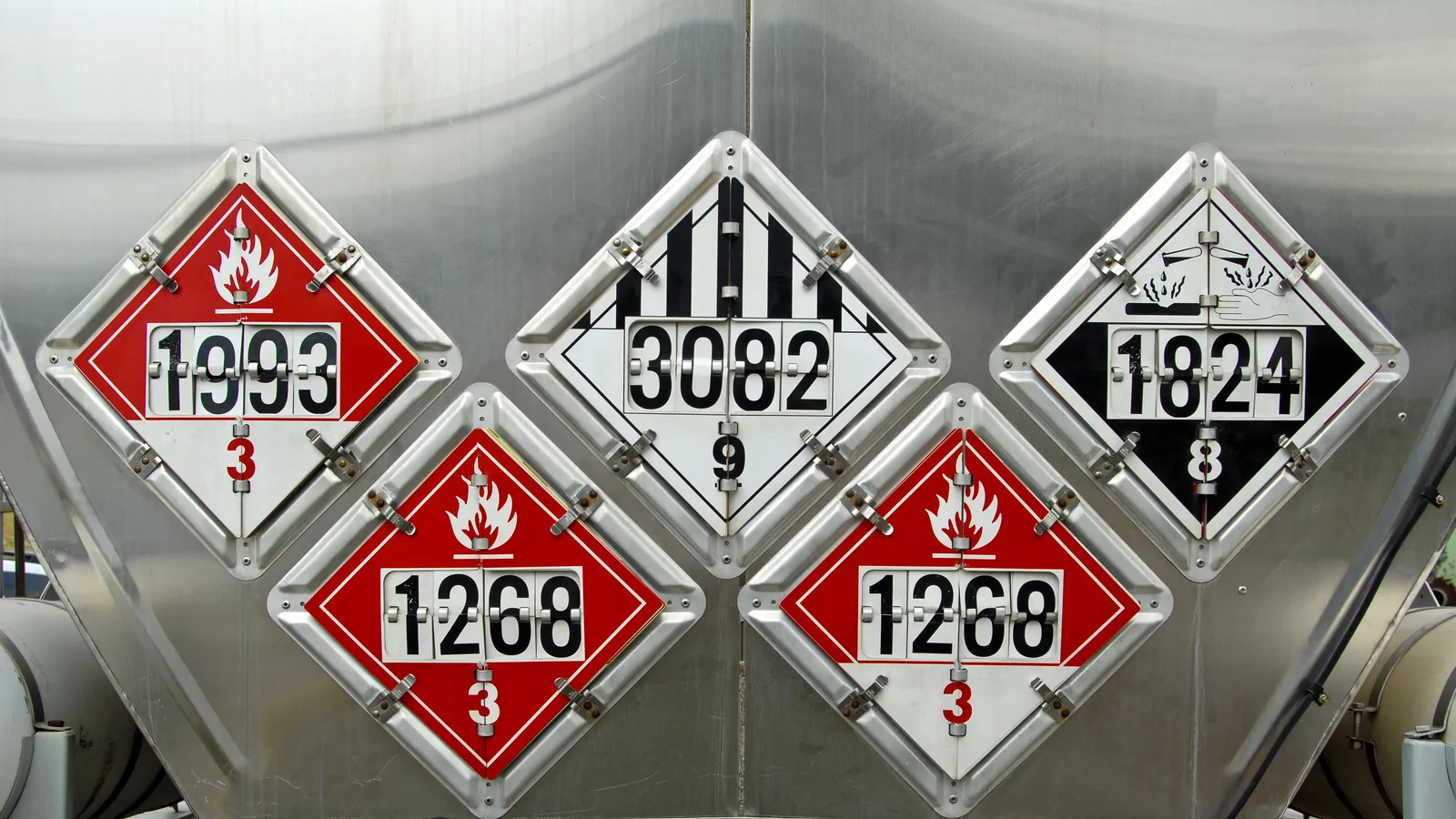
Containers and breakbulk classed as IMDG dangerous goods may incur additional wharfage surcharges at some ports. The surcharge covers the extra handling protocols, segregation requirements, and emergency response infrastructure that DG cargo demands. Common surcharges:
- IMDG DG surcharge. A flat fee or percentage premium on standard wharfage. At some terminals this is 25-50% of the base wharfage rate for DG-classed containers.
- Class-specific surcharges. Class 1 (explosives), Class 7 (radioactive), and Class 6.1 (toxic) often carry the highest premiums or are restricted to specific terminals entirely.
- Stuffing and stripping fees. Containers requiring direct delivery rather than yard storage incur additional handling charges.
When budgeting port costs for a hazmat ocean shipment, ask your forwarder for the DG-inclusive quote rather than the base wharfage rate. The base is rarely what you'll actually pay.
How wharfage appears on your invoice
Wharfage is one of dozens of port and terminal line items that show up on ocean freight invoices, and the labeling varies by port and forwarder. Common appearances:
- "Wharfage" as a discrete line, usually shown per container or per ton with a unit rate and total.
- "Terminal Handling Charges (THC)" as a bundled line that includes wharfage along with crane, yard, and gate charges. Most common on imports through major US container ports.
- "Port Charges" as an even-broader bundle that may include wharfage, harbor maintenance fee (HMF, 0.125% of cargo value on US imports), merchandise processing fee (MPF), and stevedoring.
- "Marine Terminal Operator (MTO) charges" at ports where the terminal operator (rather than the port authority) sets wharfage independently.
When reviewing an invoice, ask for the underlying tariff reference. Reputable forwarders will provide the published tariff number that justifies each charge. Charges without a tariff reference are worth questioning.
How to manage wharfage costs
Wharfage is generally non-negotiable, it's a tariffed port charge. But you can manage your overall port cost exposure by understanding which charges are included in your ocean freight quote and which are billed separately, comparing total landed costs across ports (wharfage varies between ports), and working with a forwarder or NVOCC who provides all-in quoting that includes wharfage and other port charges.
Wharfage exemptions and reductions
A handful of cargo categories qualify for reduced wharfage at specific US ports under published exemptions. Federal government cargo, military shipments, and certain humanitarian or development-aid cargoes can receive reduced or zero wharfage at federally controlled berths. Cargo that's only "in transit" through a US port (meaning it enters and leaves without clearing customs) sometimes qualifies for a reduced in-transit wharfage rate. Container moves between two vessels in the same port (transshipment) typically qualify for transshipment wharfage rates that are 30-60% of standard wharfage. None of these exemptions apply automatically; they require correct documentation at the time of cargo movement, and most shippers leave them on the table because the forwarder didn't flag them.
How Total Connection handles port charges
We quote ocean freight with full transparency on port charges, including wharfage, terminal handling, documentation fees, and any other port-related costs. For chemical shippers managing demurrage and detention exposure on import containers, our drayage coordination keeps containers moving so the bigger port-cost risks don't materialize. If you're new to ocean freight terminology, our explainers on container drayage and avoiding demurrage charges cover the related fees that often surprise first-time importers.
No surprises on the invoice. Call 732-817-0401 or request a quote.
Frequently Asked Questions
What is wharfage?
A port charge for using the wharf, the physical dock infrastructure where cargo transfers between vessel and shore. Every piece of cargo crossing the wharf incurs this charge.
How much does wharfage cost?
Typically $3-$10 per metric ton for breakbulk or $25-$75 per container, depending on the port. Rates are published in each port's tariff schedule.
Is wharfage the same as terminal handling?
Wharfage and terminal handling are separate charges, though carriers often bundle them. Wharfage covers the wharf infrastructure itself. Terminal handling covers the labor and equipment to move containers within the terminal area.
Can wharfage be negotiated?
Generally no, it's a tariffed port charge. But you can compare total port costs across different ports and work with a forwarder who provides transparent all-in quoting.