

A rejected chemical delivery is a tanker or tote turned away at the receiver for a documentation mismatch or contamination concern, leaving product in transit with no approved destination and the demurrage clock already running. Under 49 CFR Part 172, Subpart C, the shipping papers have to match the hazard class, UN number and packing group of the product actually loaded, and a bill of lading that disagrees with the SDS is enough for a receiver's QC team to refuse the load at the gate.
Why Chemical Deliveries Get Rejected at the Dock
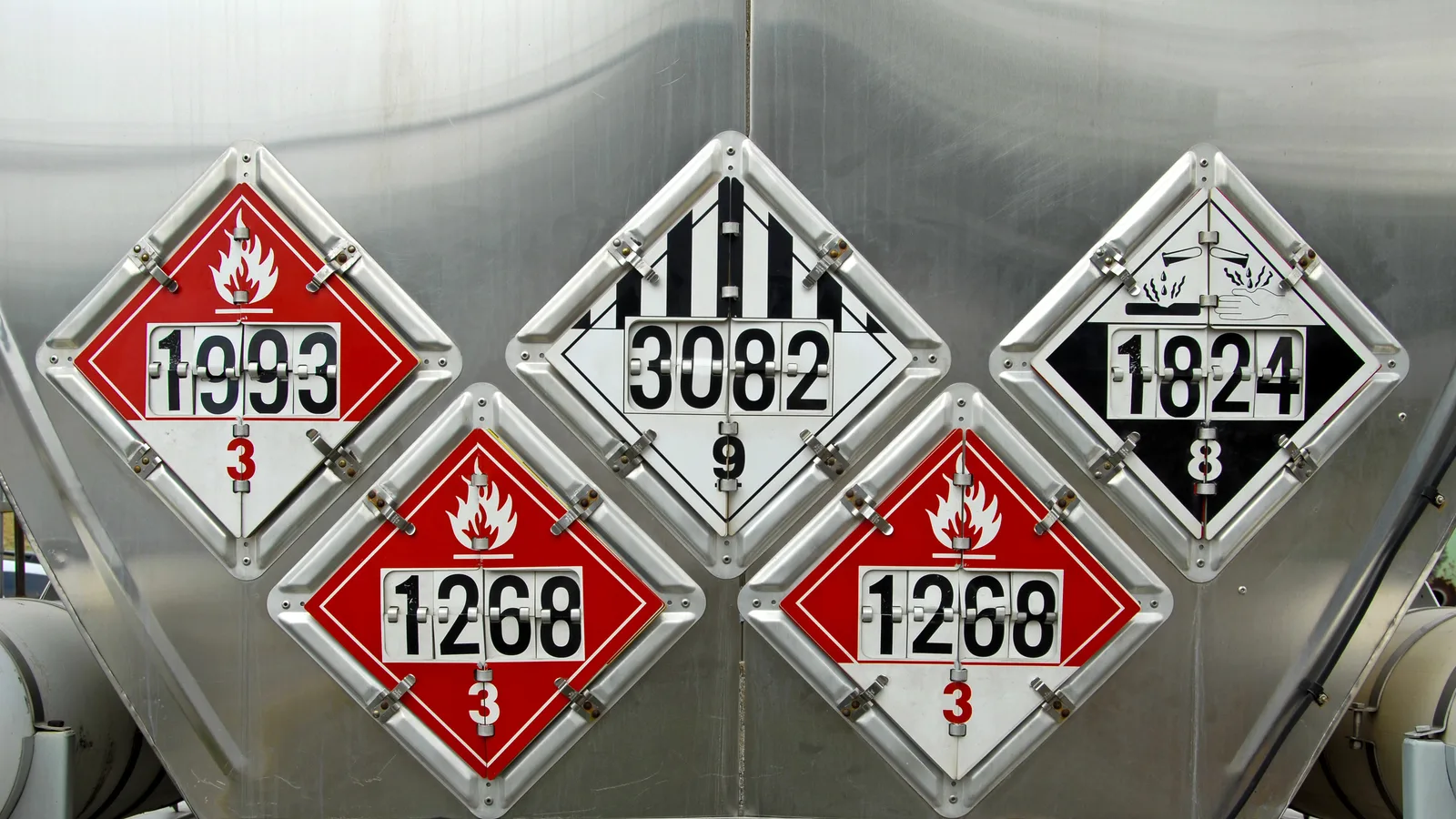
Every chemical delivery rejection traces back to one of two root causes: the paperwork does not match the product, or the receiver has reason to doubt the tank or tote is clean enough for their process. Under 49 CFR Part 172, Subpart C, shipping papers including the bill of lading must match the hazard class, UN number and packing group of the product actually loaded. A receiver's QC team checks the BOL against the SDS on arrival, and any discrepancy is grounds to refuse the load before the valve ever opens.
Documentation mismatches
The most common trigger is a BOL that lists a different hazard class, UN number or packing group than the SDS on file for that product. A quantity mismatch, an expired certificate of analysis, or a missing signature can trigger the same outcome even when the product itself is correct.
Contamination concerns
Food-grade and kosher-wash receivers will not accept a tank or tote without a documented wash and previous-cargo history. If the wash record is missing or incomplete, the receiver has no way to confirm the equipment meets their contamination standard, and rejection is the safer call for them.
The First Decision: Hold, Reroute, or Return
Once a receiver refuses the load, the shipper has three options, and the clock on all three starts the moment the driver is turned away. The tanker can be held at a nearby terminal while the documentation is corrected or the contamination concern is cleared. It can be rerouted to a pre-qualified backup receiver that can accept the same product and equipment type. Or it can be returned to origin for reload or disposal, which is the slowest and most expensive option by far.
The decision usually has to be made within hours, not days, because every hour the tanker sits is an hour of demurrage or detention accruing somewhere. A logistics manager without a plan in place is making this call live, under pressure, with incomplete information about which nearby terminals will even accept a hold on a Class 3, Class 6.1 or Class 8 product.
The right call depends on a few fast questions: is the mismatch a paperwork fix or a real product issue, is there a backup receiver within reach, and how much free time is left before detention charges start. Answering those questions in minutes instead of hours is only possible if the groundwork was laid before the shipment ever moved.
Building the Contingency Plan Before It Happens
A rejected delivery contingency plan has three working parts, and all three should exist on paper before the tanker leaves origin, not after it is sitting at the receiver's gate. It belongs in the same file as the rest of your liquid bulk freight program.
Pre-identified hold points
- A bonded or private terminal within a reasonable radius of each major receiver, confirmed in advance to accept hazmat holds for the product class being shipped.
- A named contact at that terminal who can authorize an inbound hold without a fresh credit or compliance review on the day of the incident.
Documentation fix protocol
- A single point of contact on the shipper's side who can pull a corrected BOL, SDS or certificate of analysis within the hour, not by end of day.
- A standing list of who signs off on a corrected document so the fix does not wait on someone who is traveling or unreachable.
Rerouting triggers
A backup receiver only works as a rerouting option if it has already agreed to accept the product and the specific equipment type, DOT 407 or DOT 412 cargo tank, ISO tank, or tote, before the rejection happens. Identifying that backup receiver in advance, and confirming its own unloading and documentation requirements, turns a reroute from a frantic phone call into a pre-cleared move.
Who Absorbs Demurrage and Detention During the Decision Window
Demurrage is the charge assessed when a tanker or tote sits beyond its free time at a terminal or facility; detention is the charge for equipment held beyond free time anywhere else, including at the receiver's own gate. Both start running the moment the load is refused, regardless of whose fault the rejection turns out to be.
Who pays depends on contract terms and the cause of the rejection. A documentation error that originated on the shipper's side, a BOL that does not match the SDS for example, typically shifts the cost to the shipper. A contamination concern or access issue on the receiver's end can shift the cost the other way, but only if the contract and the bill of lading terms spell that out clearly.
This is why speed matters more than being right. A shipper who spends three hours proving the receiver is wrong has already paid for three hours of detention. A shipper who moves the tanker to a pre-identified hold point and sorts out the paperwork from there controls the cost regardless of how the dispute resolves.
Hold Terminal vs Backup Receiver vs Return to Origin
Each of the three options carries a different cost, speed and documentation profile, and the right call depends on which lever matters most in the moment.
| Option | Typical speed | Cost profile | Documentation burden |
|---|---|---|---|
| Hold at bonded or private terminal | Fast, same day if pre-arranged | Terminal storage fee, usually lower than extended detention | Low if the fix is a corrected BOL or SDS |
| Reroute to backup receiver | Moderate, depends on distance and pre-qualification | Added mileage and possible accessorial, but avoids a second reload | Moderate, requires the backup receiver's own acceptance documents |
| Return to origin | Slowest, often a full transit cycle | Highest, full return freight plus possible disposal or reprocessing cost | High, full re-tender with new shipping papers |
A hold is the default when the problem is paperwork, because the product never leaves approved equipment and the fix is a reissued document. A reroute is the default when the product is sound but this receiver will not take it, and it only works when the backup was qualified before the load moved. Return to origin is the fallback when the product itself is in question, such as a contamination concern no wash record can clear. Whichever option gets picked, document the refusal as it happens: who refused the load, the stated reason, the time the driver was turned away, and the condition of the seals and the cargo tank. That record is what settles the demurrage and detention argument later and what supports corrective action on your own hazmat compliance file.
Common Documentation Mismatches and How to Resolve Them Fast
Most rejections trace back to one of a short list of recurring problems, and knowing the pattern speeds up the fix.
- BOL hazard class, UN number or packing group does not match the SDS on file at the receiver, the single most common trigger under the 49 CFR Part 172 shipping paper rules.
- Cargo tank data plate markings on a DOT 407 or DOT 412 trailer do not match what is listed on the shipping papers, a mismatch receivers are trained to check against 49 CFR Part 178, Subpart J before unloading begins.
- Missing or incomplete tank wash record, so the receiver cannot confirm the previous cargo history required for a food-grade or kosher-wash product.
- Quantity or lot number discrepancy between the certificate of analysis and the delivered load.
Each of these has a fast fix if the right person and the right document are already identified under the contingency plan: a corrected BOL reissued from origin, a wash record pulled from the carrier's file, or a lot verification call to the plant. The fix itself rarely takes long. What takes long is figuring out who has the authority to issue it while the tanker sits.
Building the Plan With Your Freight Forwarder
A rejected chemical delivery contingency plan only works if it is built before the shipment moves, with hold points, a documentation fix protocol and rerouting triggers agreed to in writing. Total Connection builds that plan alongside the shipper as part of handling the whole liquid bulk and chemical move, from tank wash verification through the inland leg and the receiver's unloading window, with the same dispatcher on the account next year. The full forwarder view matters here: drayage, truckload, warehousing when a hold runs long, and the customs entry on an import tank all sit with one team, so a rejection at one dock does not turn into four separate phone calls.
Review your receiver unloading window requirements and your demurrage avoidance checklist alongside this plan, and check ISO tank previous cargo requirements if contamination concerns keep coming up on your lanes. To build hold points, documentation protocols and backup receiver agreements into your next move, see our liquid bulk and chemical logistics services and request a liquid bulk quote.
What happens if a chemical tanker is rejected at delivery?
The carrier holds the load at the nearest approved terminal while the shipper and receiver resolve the documentation mismatch or contamination concern. Demurrage and detention charges begin accruing from the point of rejection, and which party controls the hold location often determines how fast those charges stop.
Who pays demurrage when a receiver rejects a chemical delivery?
Responsibility depends on the contract terms and what caused the rejection. A documentation error on the shipper's side, such as a BOL that does not match the SDS, typically shifts the cost to the shipper, while a contamination or access issue on the receiver's end can shift the cost the other way if the contract spells that out.
Can a rejected tanker be rerouted to a different receiver?
Rerouting is possible when a backup receiver has already agreed to accept the product and the specific equipment type before the rejection happens. This is exactly why identifying backup receivers in advance, as part of a contingency plan, matters more than trying to find one after the tanker is already sitting at the gate.
How long can a tanker sit before it has to be returned to origin?
There is no fixed regulatory limit on how long a rejected tanker can sit. Practical limits come from free time terms at the hold location, tank cleanliness windows, and product stability, which is why the contingency plan should set an internal decision deadline well before free time expires.
What documentation mismatches most often cause a rejection?
BOL-to-SDS discrepancies in hazard class, UN number or packing group are the most common trigger under 49 CFR Part 172. Missing certificates of analysis, incomplete tank wash records, and cargo tank data plate mismatches under 49 CFR Part 178 are the next most frequent causes.